
10.10 Food and Beverage Ads in Malaysia (2026)
How Malaysian food and beverage brands win the 10.10 Sale on 10 October 2026: bulk stock-up offers on snacks, drinks and pantry staples, basket-building vouchers and multipacks, what the October auction costs before November jumps, the health-claim rules, and a fortnight-long plan.
Updated August 2026 · Xanny Lee, CEO
The 10.10 Sale falls on Saturday 10 October 2026, and for Malaysian food and beverage it is a cart-size problem rather than an occasion. Nobody is preparing a festival table in mid-October; the shopper is a household topping up the pantry, and the winning offer makes the big basket the rational one: a carton price that beats the single can, a multipack that beats the single pack, a bundle that clears a free-shipping threshold. The marketplaces run the date as a fortnight, with Shopee's 2025 Brands Festival running 26 September to 13 October and Lazada's 10.10 deals opening at 8pm on 9 October, and the demand is real: Malaysians saved over RM520 million across Shopee's 10.10 in 2025, with homegrown brands recording up to 6X order growth (Media OutReach Newswire, 2025). October is also the last month Meta reach prices like an ordinary month, so run the offer 9.9 proved, at volume, and make every ad do arithmetic: price per pack, price per litre, ringgit saved at the threshold.
Every other food-selling season in Malaysia has a table at the end of it. This one has a pantry. A 10.10 food buyer is not assembling an open house or a gift hamper, she is looking at a cart and deciding whether to buy one bag of the snack her kids clear in a week or the bundle of six, one bottle of the vinegar she cooks with or the twin pack, a sleeve of tea bags or the tin. That is a different persuasion job from festive selling, and it is won with arithmetic rather than atmosphere: the per-unit price that makes the carton obvious, the voucher threshold that makes adding two more items feel like winning, the free-shipping line that a heavy basket clears easily. The window is genuinely long, a fortnight of marketplace campaigning rather than a single Saturday, and it sits in the last calm month of the Meta auction before the November crush. This page takes the food and beverage view of 10.10 specifically: the window, the basket mechanics, the October cost picture, the claim rules that catch functional drinks, and the checklist, with real Malaysian food ads as the reference material.
A fortnight that ends on a Saturday
The 10.10 Sale lands on Saturday 10 October 2026, and the second rung of the mega-sale ladder is staged as a campaign, not a day. Shopee ran its 2025 edition as a Brands Festival from 26 September to 13 October, with daily brand spotlights through the run-up and RM10 Knockout Deals on the date itself, and Lazada opened its 10.10 Jualan Mega at 8pm on 9 October and closed it on 12 October. Plan against that shape: a teaser and voucher-collection phase in the first October week, the peak across the weekend of the 9th to the 11th, and a tail through the 13th while the marketplace traffic is still warm. The date falling on a Saturday helps food specifically, because grocery topping-up is weekend behaviour anyway and same-day delivery slots are easier to sell into a Saturday than a Tuesday. The demand behind the window is measured rather than assumed: Malaysians saved over RM520 million across Shopee's 10.10 in 2025, and homegrown brands recorded up to 6X order growth, which for a local sauce, snack or coffee brand is the more interesting half of the sentence. One date discipline matters at the far end: whatever you run here closes before 11.11 opens, because that sale needs its own deeper offer on its own creative rather than an extension of this one.
The cart-size problem, and the offers that solve it
A 10.10 food offer wins by making the bigger basket the obviously rational choice. The tools are unglamorous and they work. Multipack and carton pricing turns the per-unit price into the hero: the six-bag snack bundle, the twin-pack bottle, the tin instead of the sleeve, each stated so the shopper can see the arithmetic without doing it. Threshold mechanics do the stacking: an RM10-off voucher above RM80, free shipping above a figure a pantry order clears easily, a free item at a spend level one more multipack reaches. Subscription-shaped framing suits anything consumed on a cycle, coffee, tea, sauces, drinks, where "you will finish this by December anyway" is the honest pitch. The category's own creative shows the range of what stocks up: Fairchild's sells a raw apple cider vinegar on a fresher-and-smoother callout, Guawa packs guava leaf tea into individually wrapped bags built for the cupboard, Chickilicious frames a snack box as something a household shares rather than a single treat, DrinkAid positions a relief shot for the party season a Q4 cart is quietly preparing for, and a grocer like Village Grocer carries the whole basket at once. Two cautions keep the mechanic honest. Price the bundle so it genuinely beats buying singly, because a Malaysian mega-sale shopper checks, and state what the offer costs and covers plainly, the discipline Page Senda Loka turns into the creative itself with a no-hidden-charges promise. Stock deep enough to honour the window, because a staple that sells out on day three hands its shelf to a rival for the rest of the fortnight.
October is the last ordinary-priced month in the auction
The budget case for 10.10 rests on a number worth getting right, because the intuition that all of Q4 is expensive is not what the trackers show. Gupta Media's tracker, built on Meta's own delivery rather than a survey of advertisers, put the average CPM at US$8.17 in October 2025, fractionally below the year's US$8.19 average and below September's US$8.37. The 2024 series climbed more visibly, US$8.30 in September to US$8.94 in October to US$9.61 in November, and both years agree on where the money genuinely gets expensive: Black Friday 2024 ran US$16.85 and Cyber Monday US$17.70, the latter 138% above that year's US$7.43 annualised average. So October is not where costs hurt, it is the last window in which a Malaysian food brand can buy meaningful cold reach at close to ordinary prices, in front of an audience of up to 23.0 million people Facebook ads can reach in Malaysia (DataReportal, 2026). Spend to that: re-run the offer and creative 9.9 validated at real prospecting volume while the auction is calm, keep each ad set funded well enough to clear learning rather than splitting the budget across five thin tests, and build the buyer and engager audiences now, because the household that stocked its pantry in October is the cheapest person to reach again when the festive and year-end selling arrives and cold reach is the costly thing. Hold the retargeting reserve for 11.11 and 12.12 rather than spending it here, and treat every published CPM as a reference point rather than a quote for your account, because your own cost per result moves further on the creative than on the calendar.
The claim rules a stock-up cart runs into
A 10.10 food cart is full of exactly the products whose advertising Malaysian law watches most closely: functional drinks, teas, tonics and fortified staples. Section 17 of the Food Act 1983 and sub-regulation 18(6) of the Food Regulations 1985 apply to advertisements as well as labels, and they prohibit claiming a food prevents, reduces, treats or cures a disease. The Health Ministry has named specific banned phrases, among them that a product helps lower blood pressure, removes toxins from the body, increases metabolism, controls insulin production or reduces obesity, and the penalty runs to RM10,000 or up to two years. That boundary sits directly on this category's creative instincts: a leaf tea or a relief shot can describe what it is, its ingredients and its taste, but the moment the ad promises a health outcome it has crossed the line, so write the product, not the diagnosis. Halal is its own regime, certified only by JAKIM or a state religious authority, and an ad may claim it only on a certification actually held. The sale mechanics have rules of their own that a fortnight-long window makes unavoidable: a cheap sale running more than three days requires written notice to the Controller of Trade Descriptions no later than the day before it starts, a single sale may not exceed 31 days, and the advertisement itself must state the sale duration, so put the dates in the frame rather than the caption. None of this constrains a good stock-up offer. Per-unit arithmetic, thresholds and honest bundle pricing are all fully available; the law mostly punishes the shortcuts a rushed festive-quarter brief reaches for.
Formats and the working-backwards checklist
Match the format to the arithmetic. Static carries the price maths: the per-pack figure against the bundle figure, the voucher threshold, the dates of the offer, all legible in the half-second a feed gives them. Carousel carries the basket, frame by frame, which is how a mixed bundle, a flavour range or a grocer's week of deals wants to be shown. Short vertical video carries appetite and proof, the pour, the crunch, the customer verdict, jobs the category's cafes and kitchens already film well, and ten to fifteen seconds is enough. Dynamic product ads do the tail work, serving back the exact snack or bottle a shopper viewed while the window is still open. Then work backwards from Saturday 10 October. By late August, decide which 9.9 offer earns the re-run and lock the bundle prices and stock depth. Through September, build the audiences the stock-up logic needs: past buyers by product, cart abandoners, threshold-near baskets, engagers, plus an exclusion list so you stop paying to reach the person who just bought a carton. Have the teaser live in the last days of September as the Brands Festival run-up begins, weight the peak across 9 and 10 October to cover the Lazada opening and the Shopee day together, and keep a tail through the 13th. Before any of it is briefed, read what the category ran last October: which bundle structures the snack brands repeated, which thresholds the drinks brands set. A searchable archive of Malaysian food and beverage ads, such as AdPlay.ai, makes that look-back fast by brand and by angle, and turns the structure you find into a finished, on-brand ad. Then keep every 10.10 buyer warm, because their pantry runs down right on schedule.
Example ad angles
Representative hooks and formats from the category.
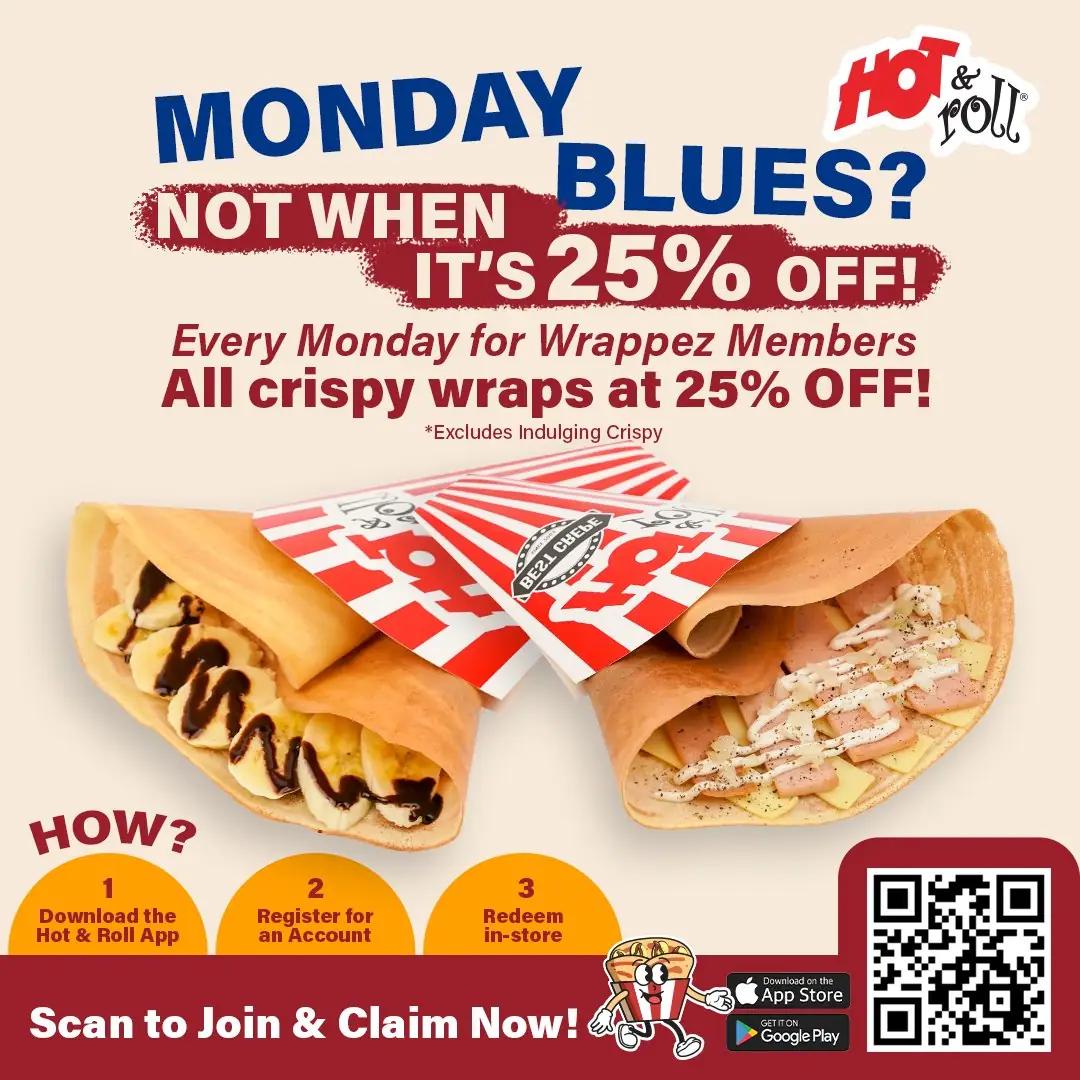
“Discount ad: 25% off crispy wraps every Monday for members”
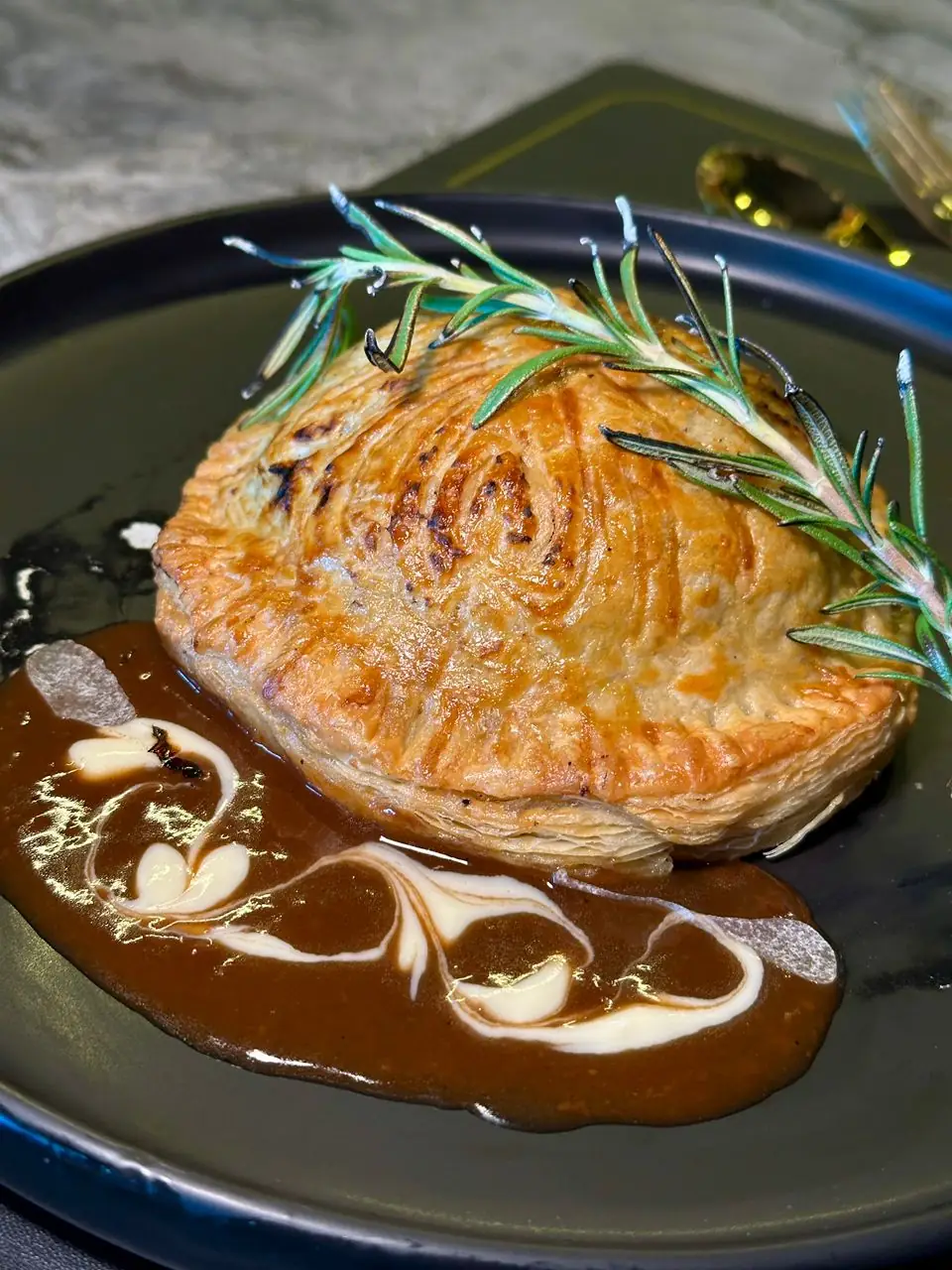
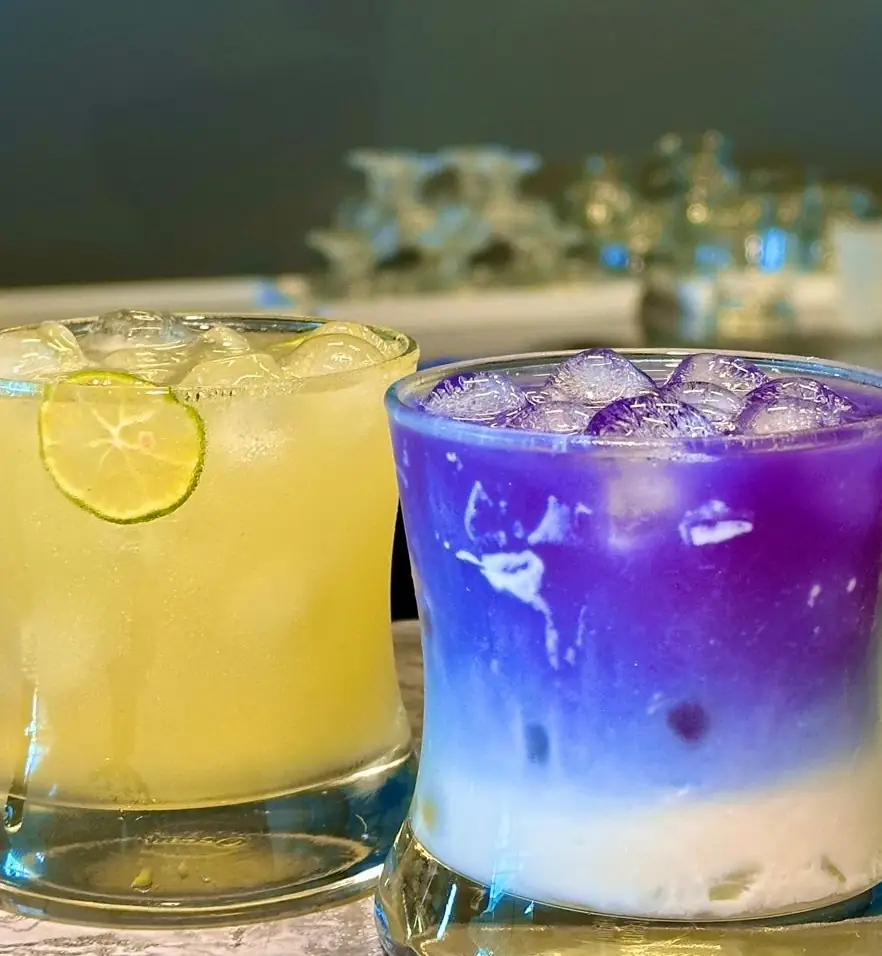
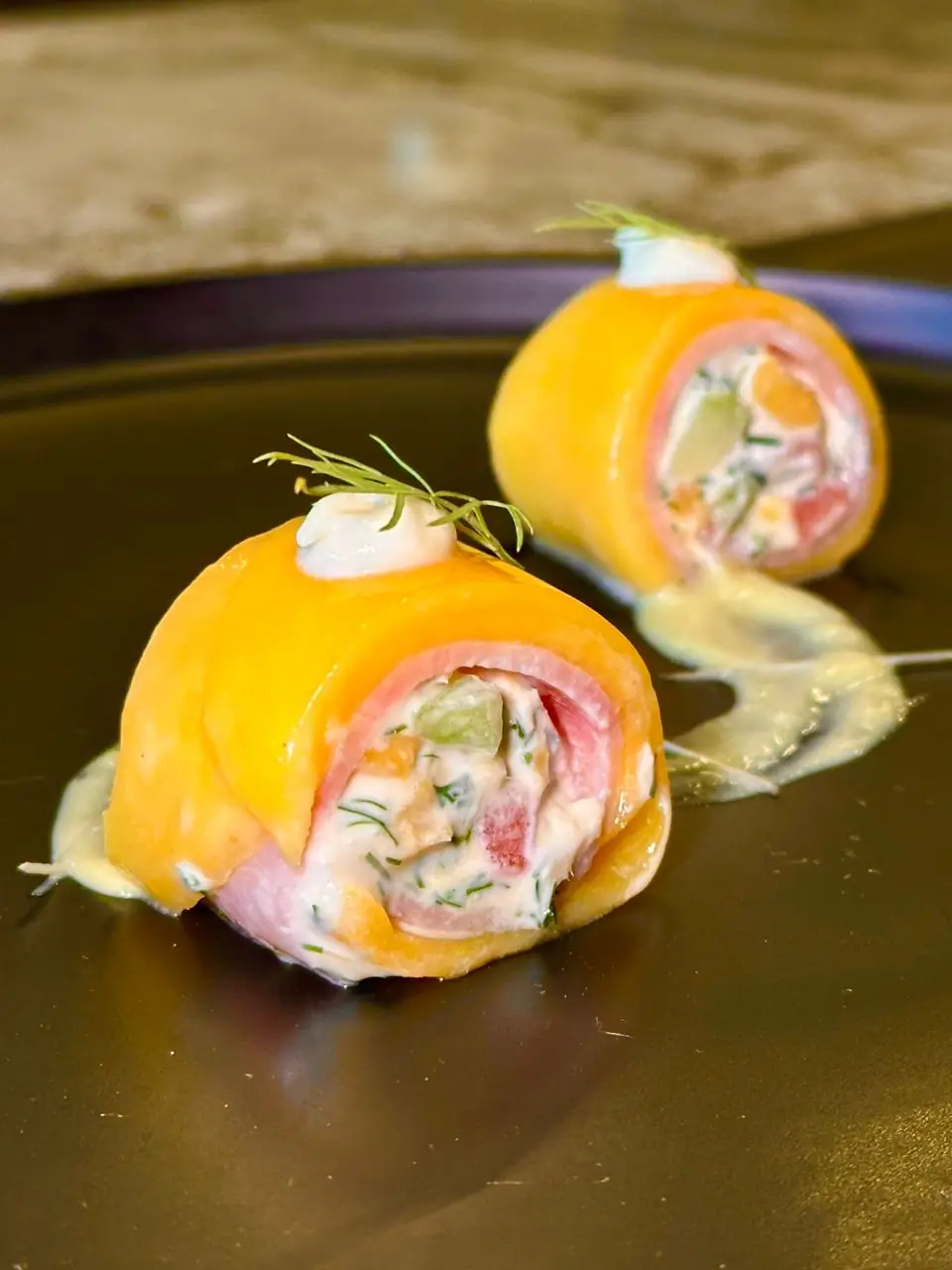
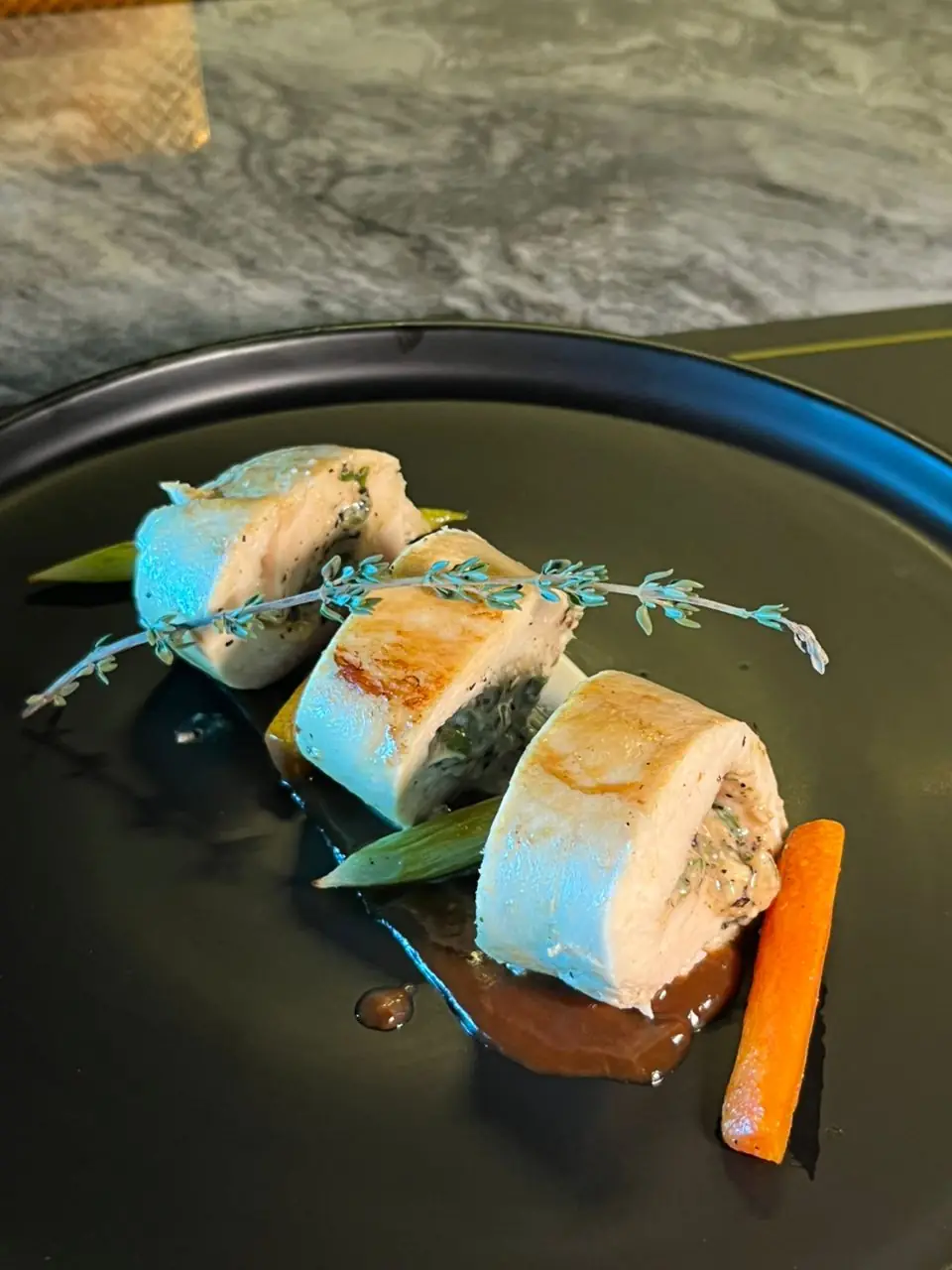
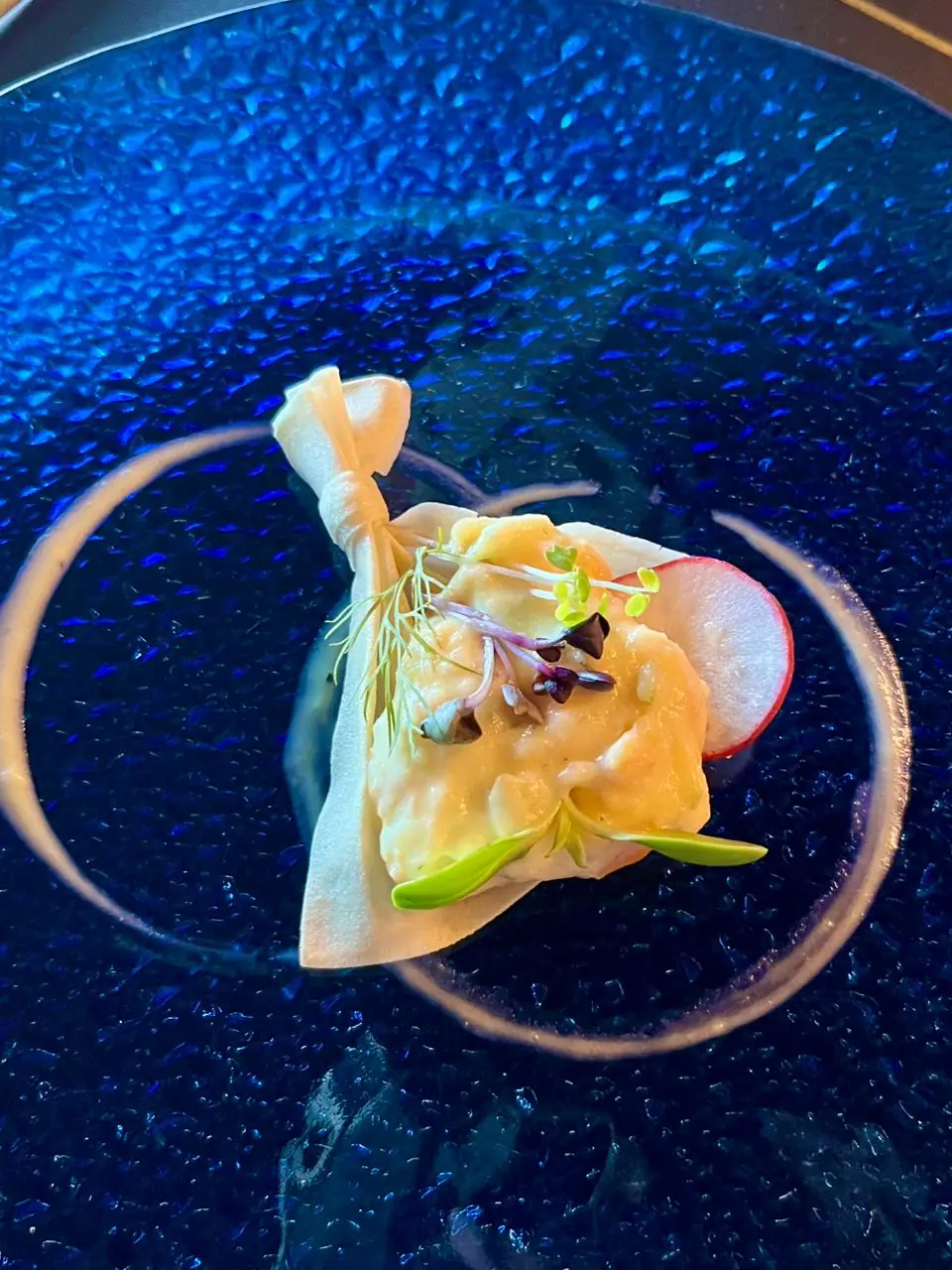
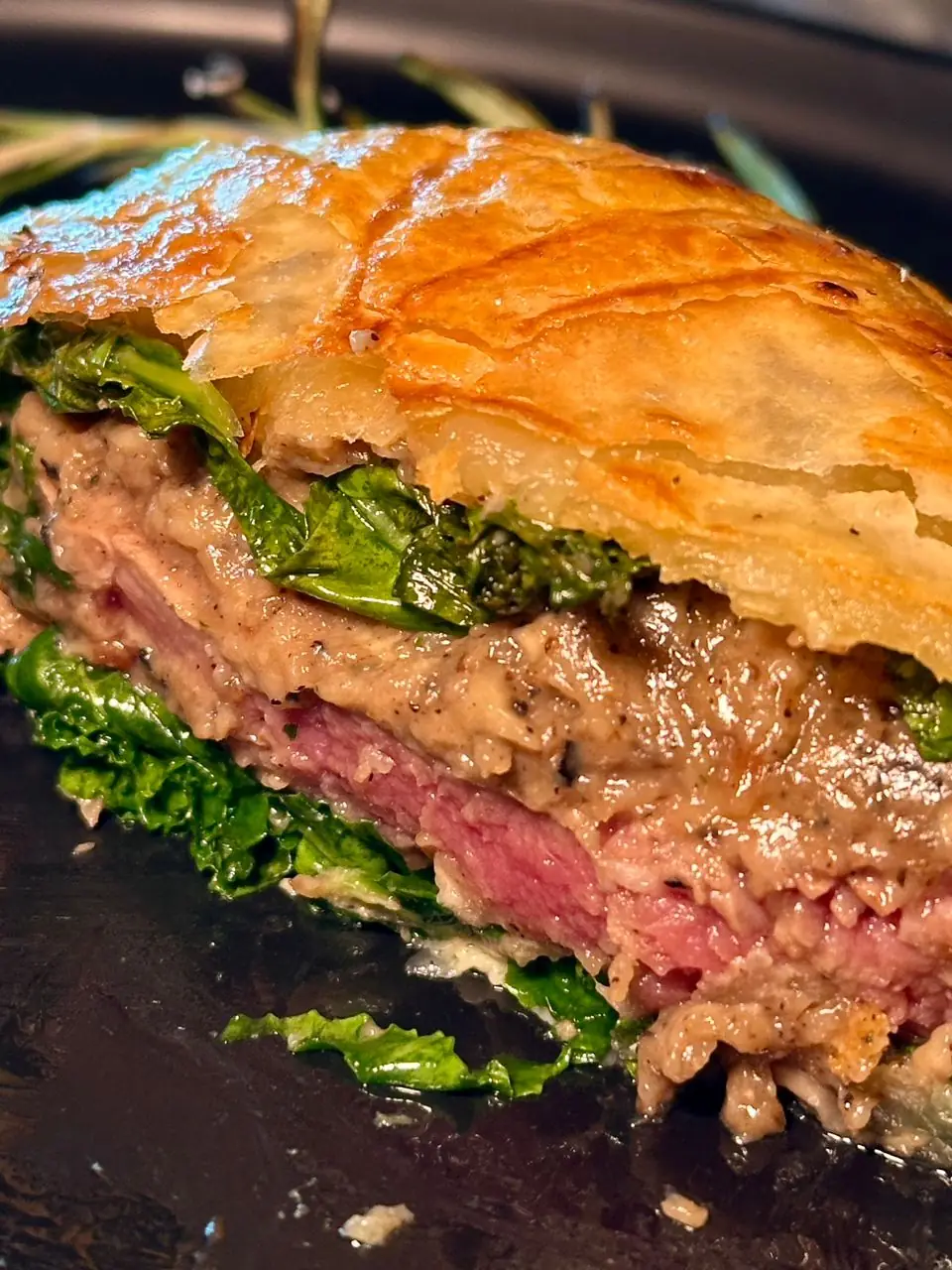
“Showcase ad for a golden beef Wellington in glossy sauce”

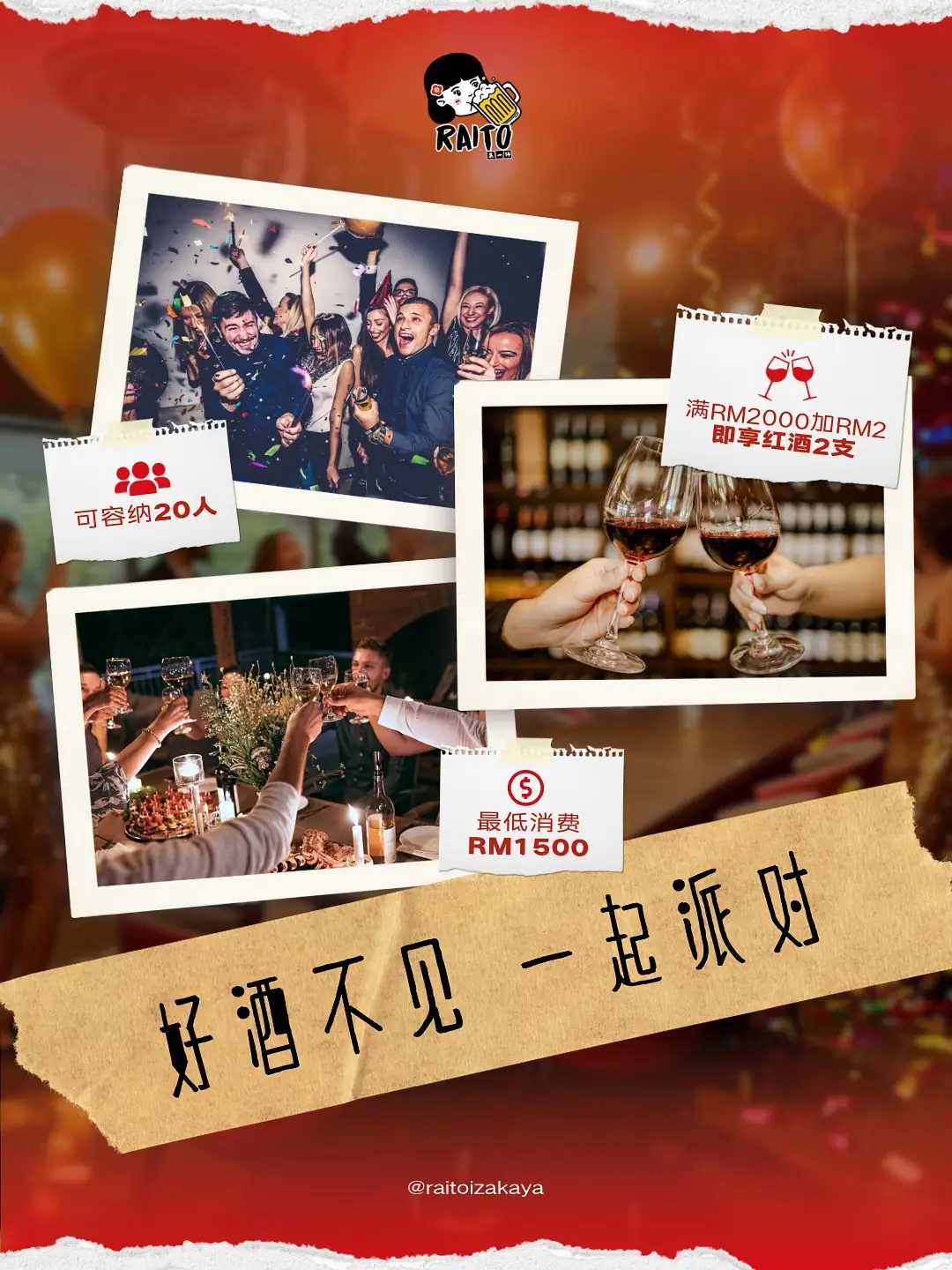
“Discount ad: spend RM2,000 plus RM2, get two bottles of wine”

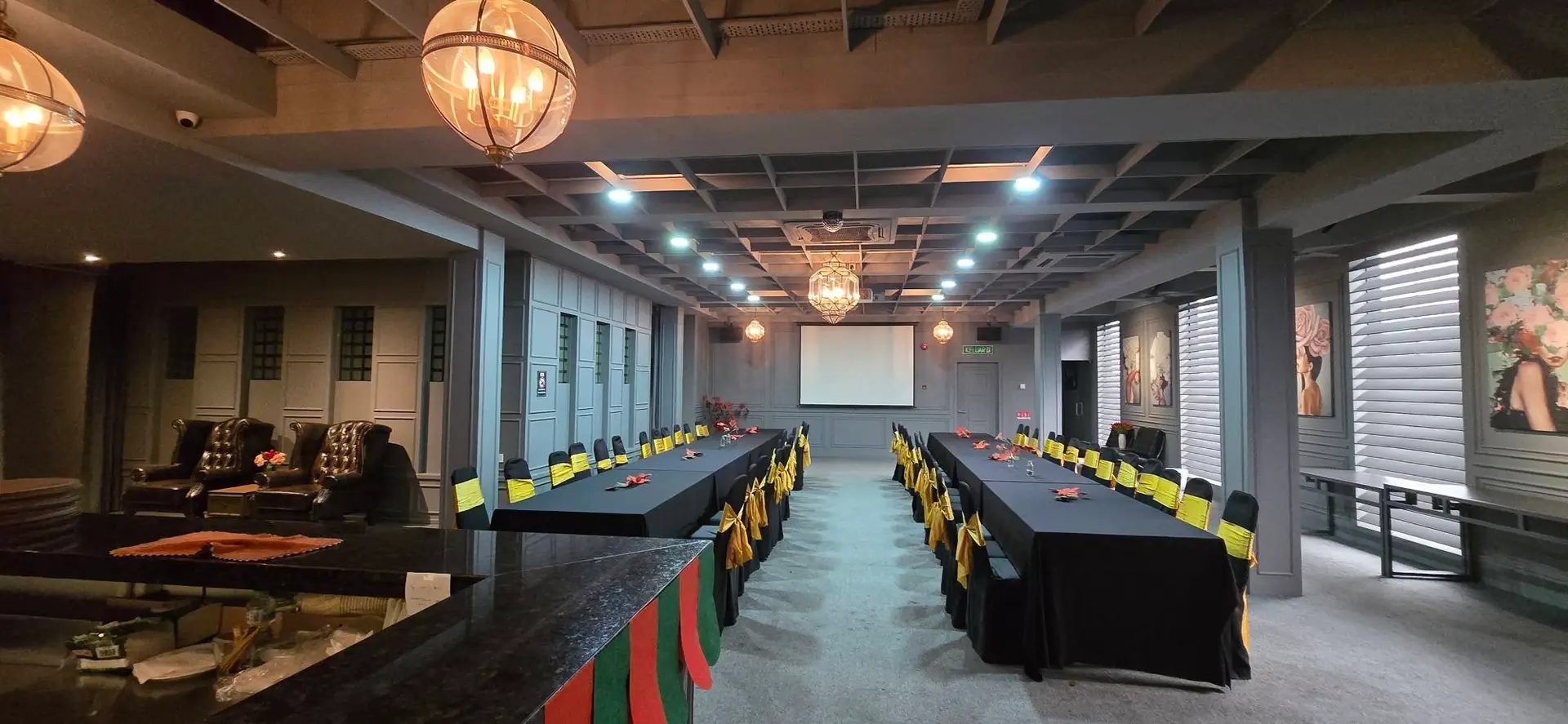

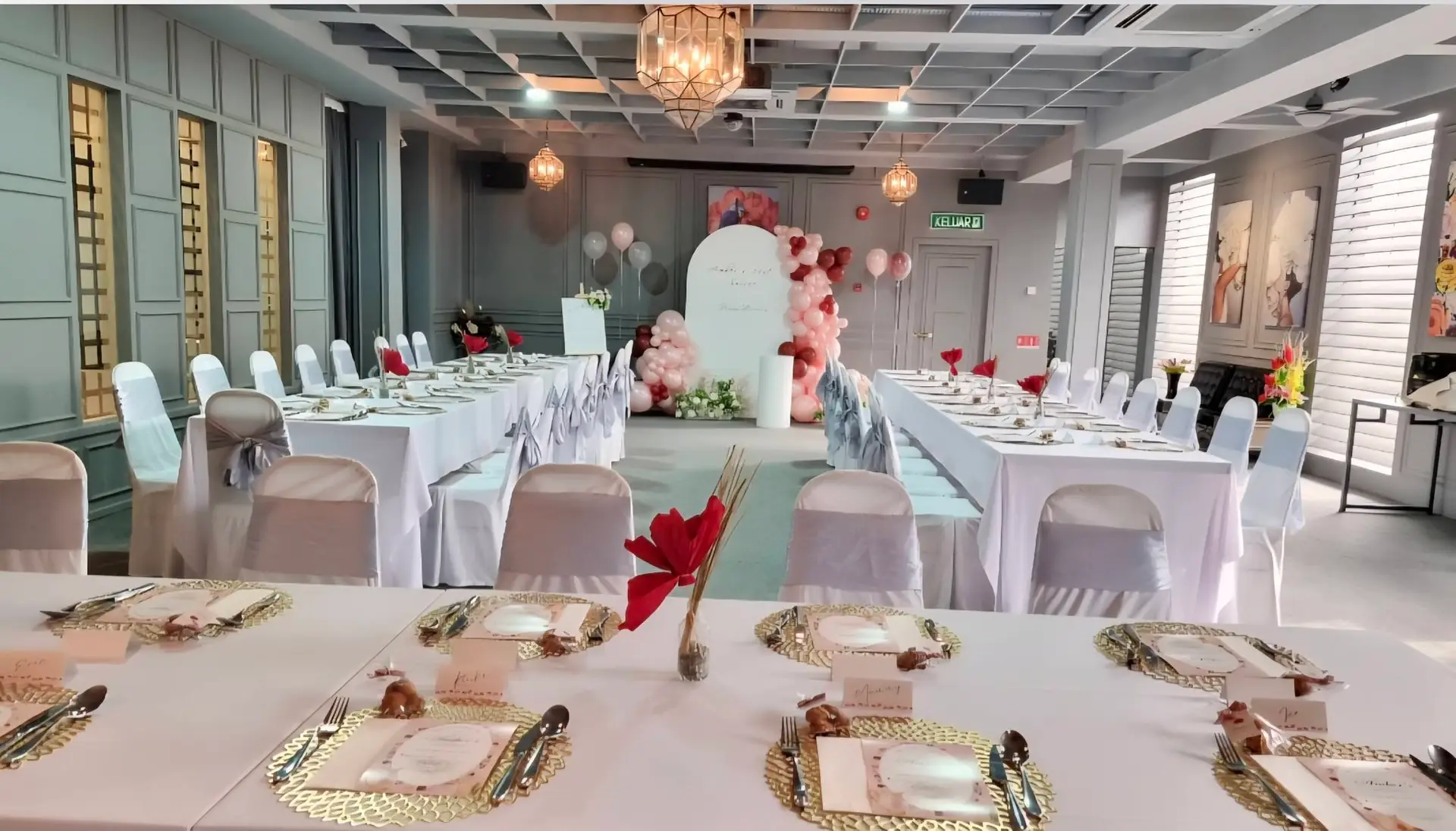
“Discount ad: celebrate birthdays and weddings from RM4,300”
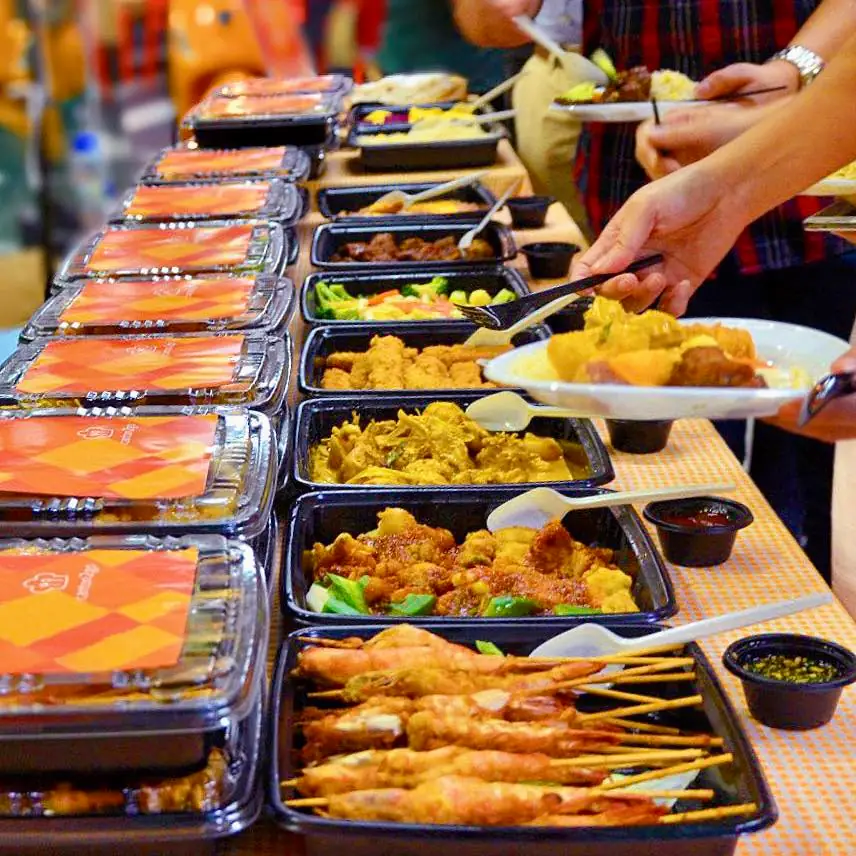
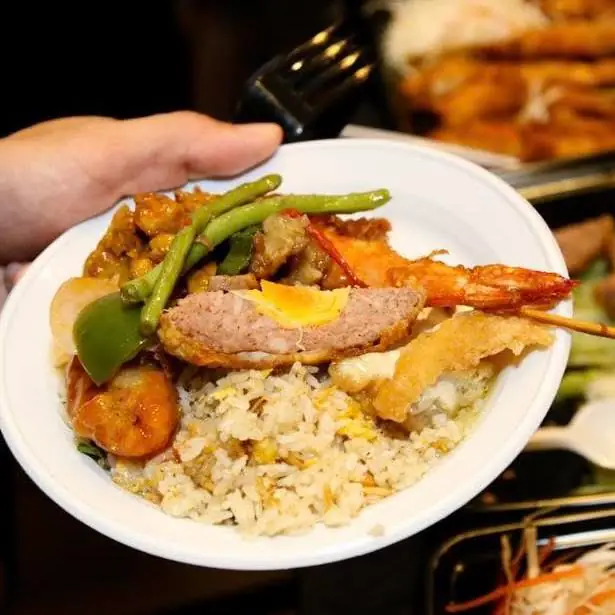
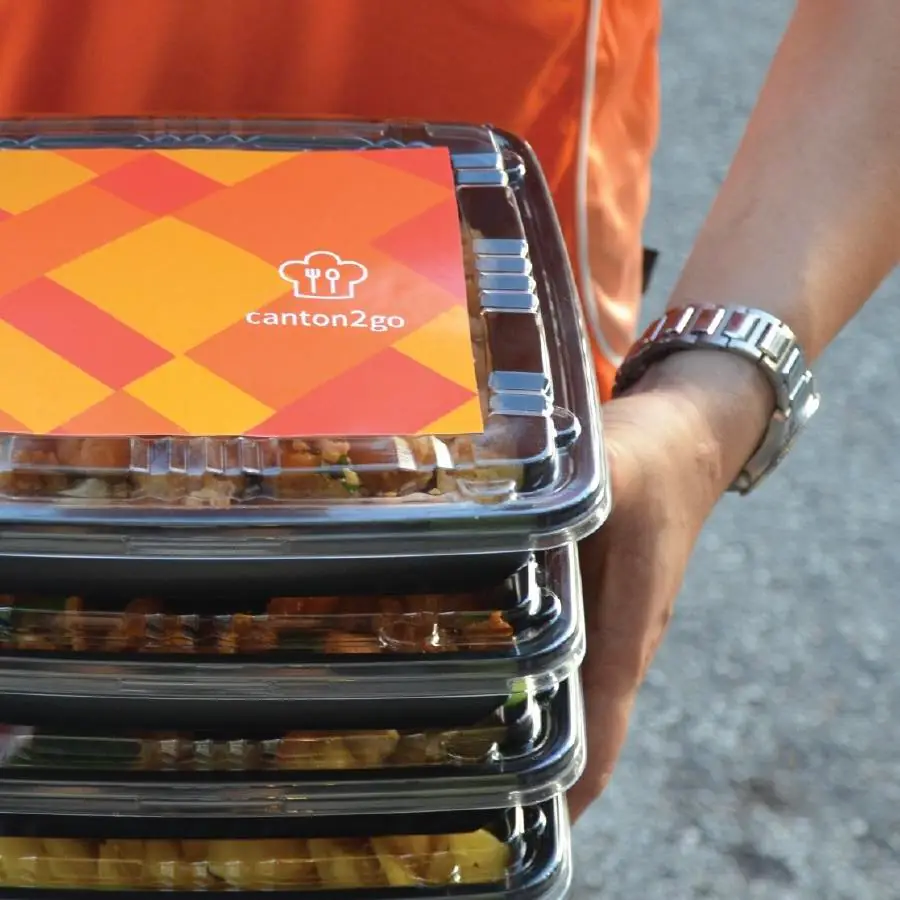
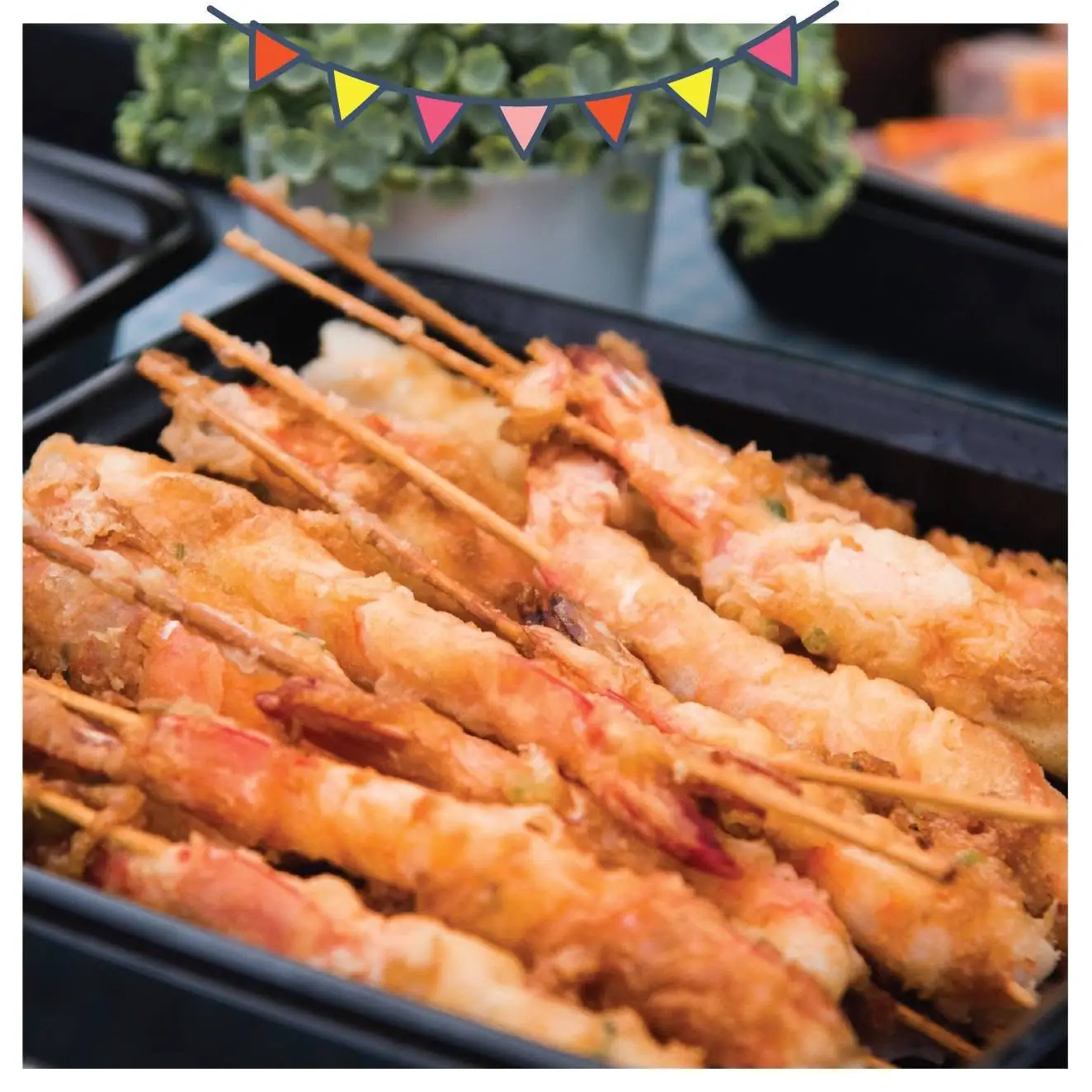
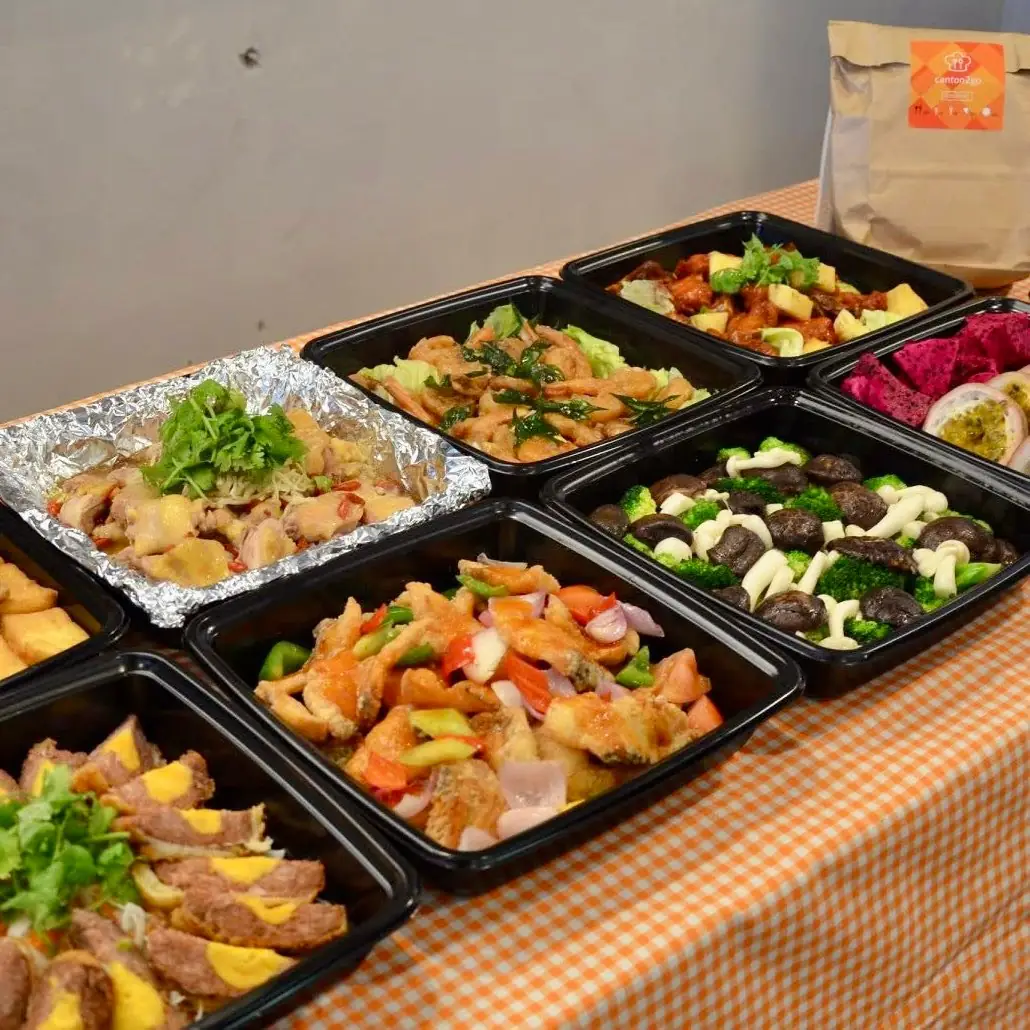
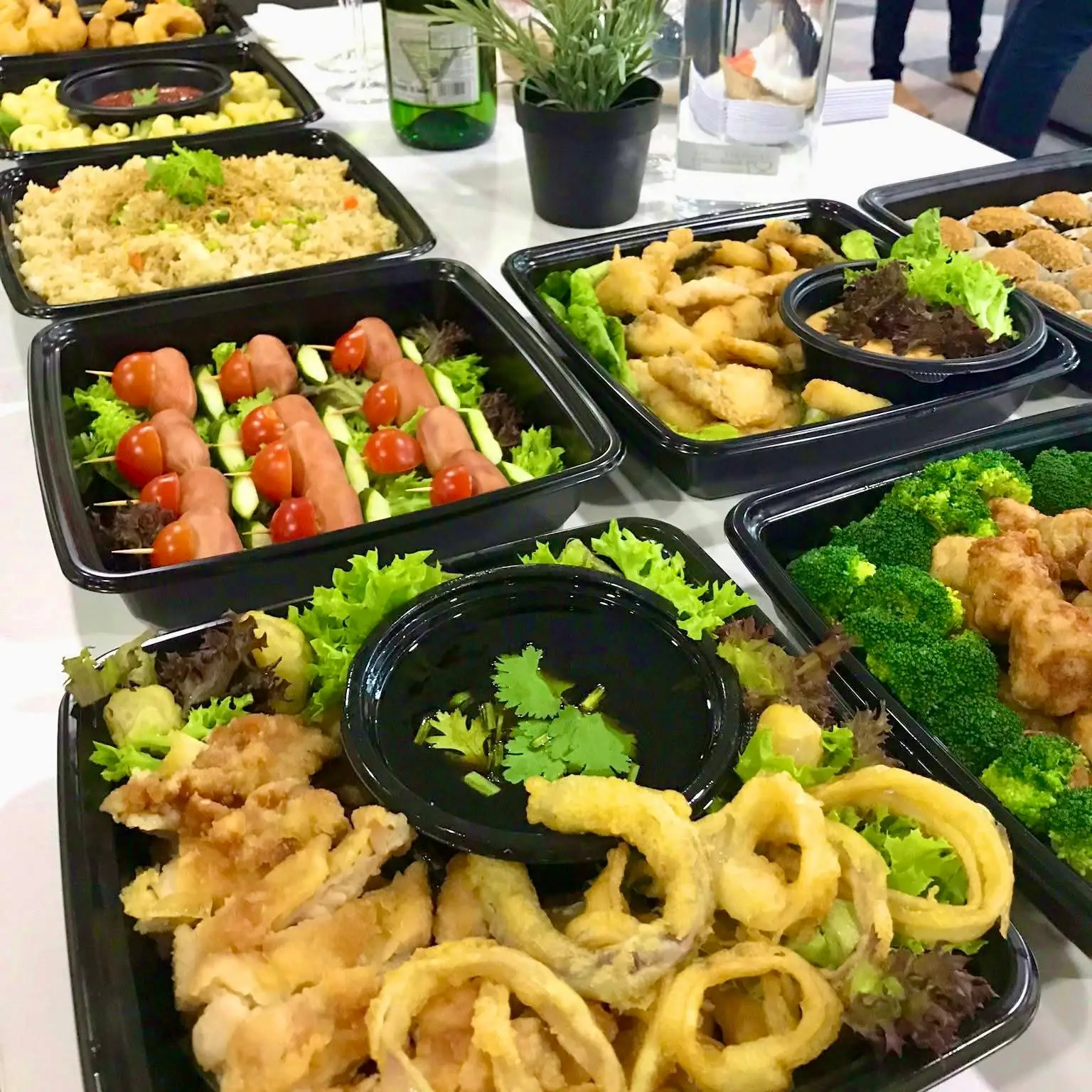
“Showcase ad for a mini buffet delivered to your doorstep”
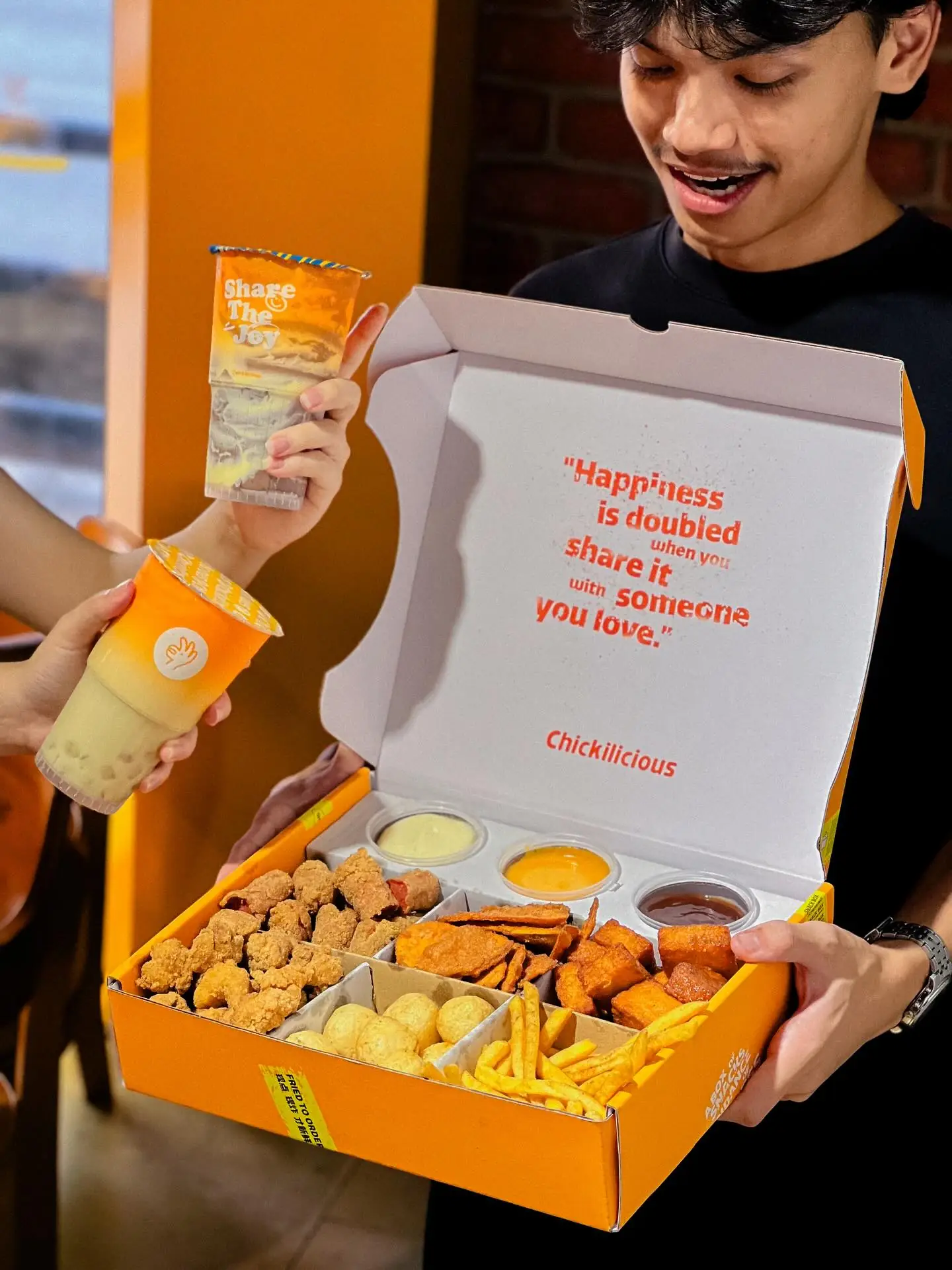
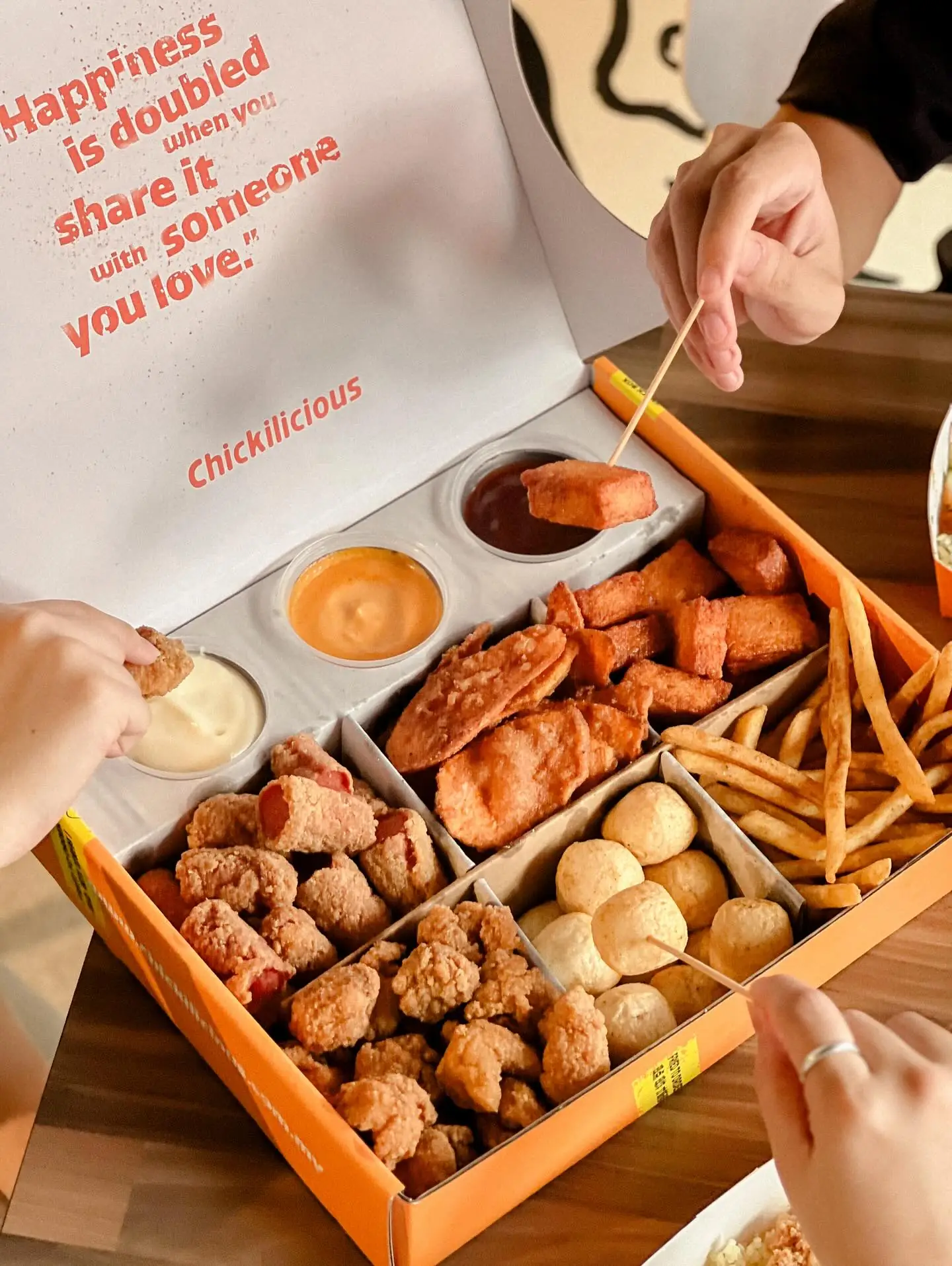
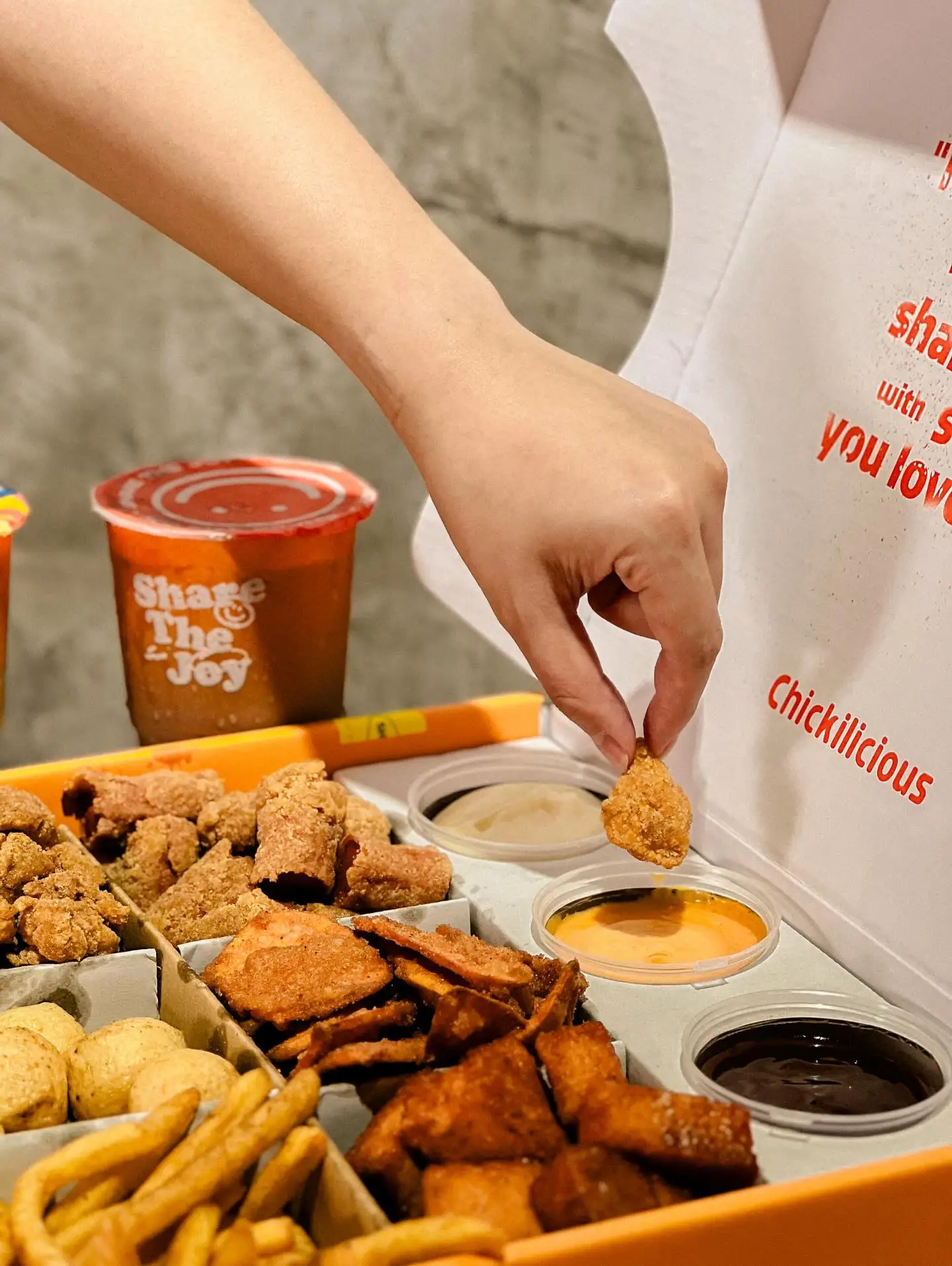
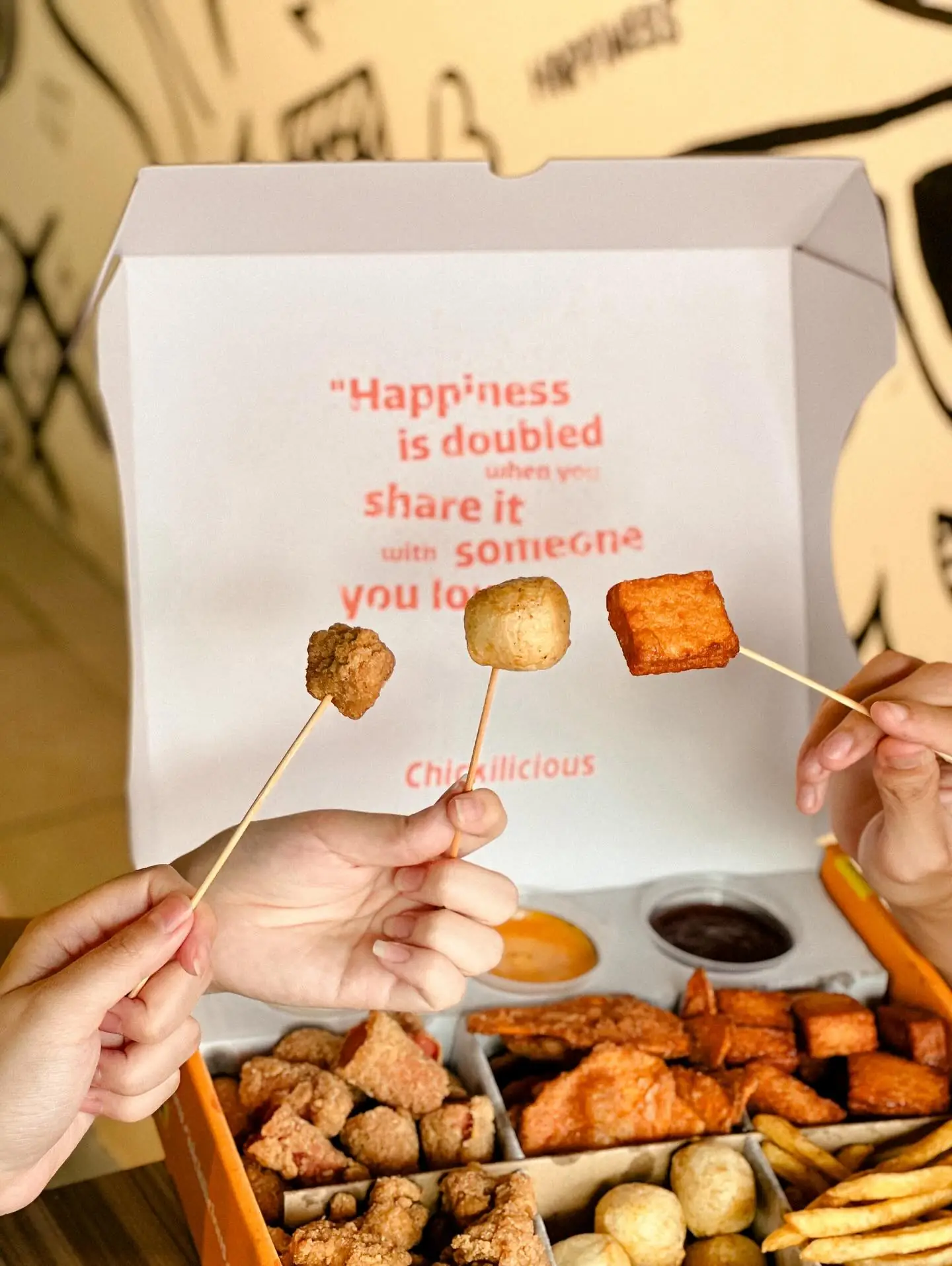
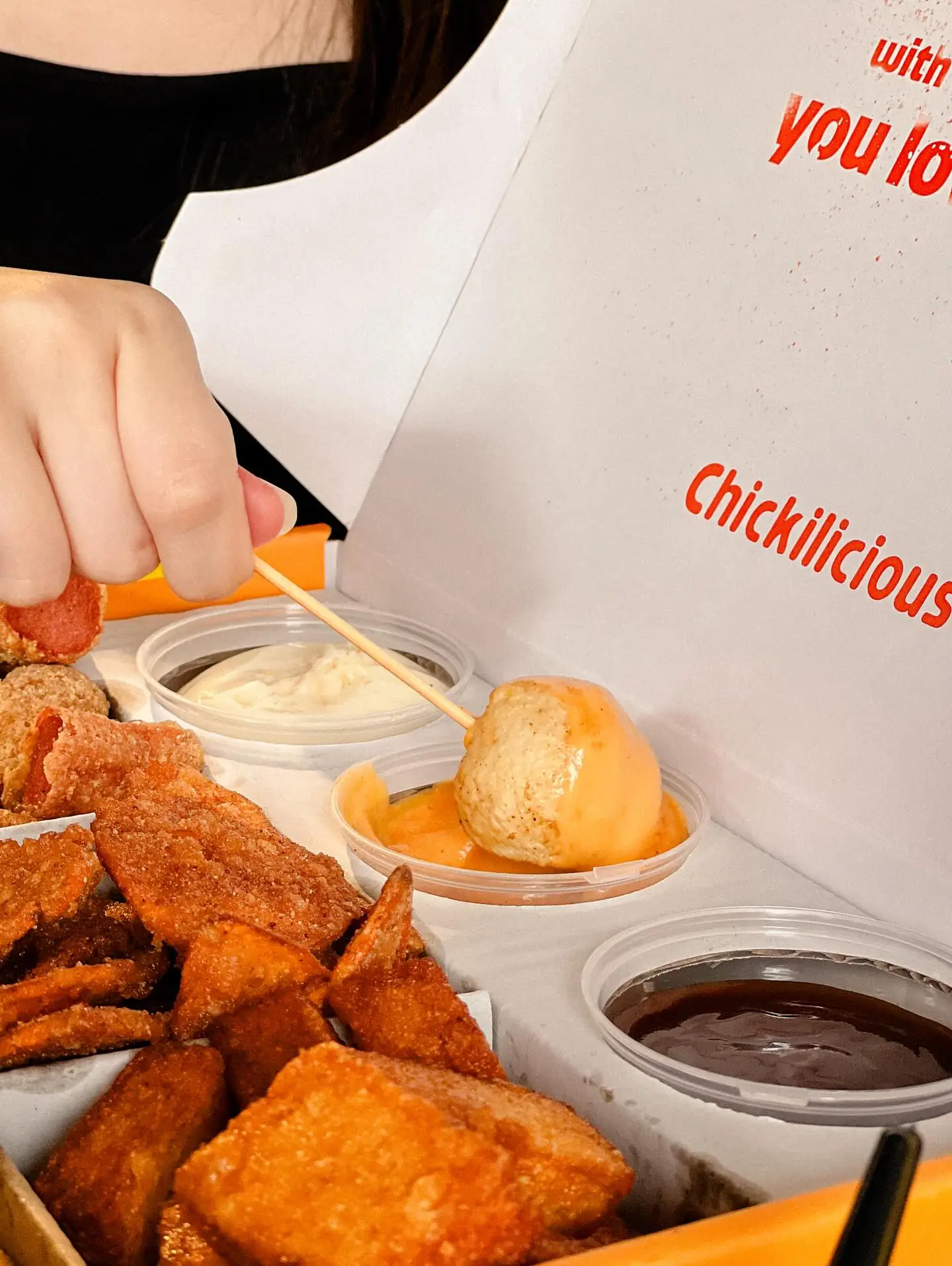
“Lifestyle ad for sharing a snack box with someone you love”
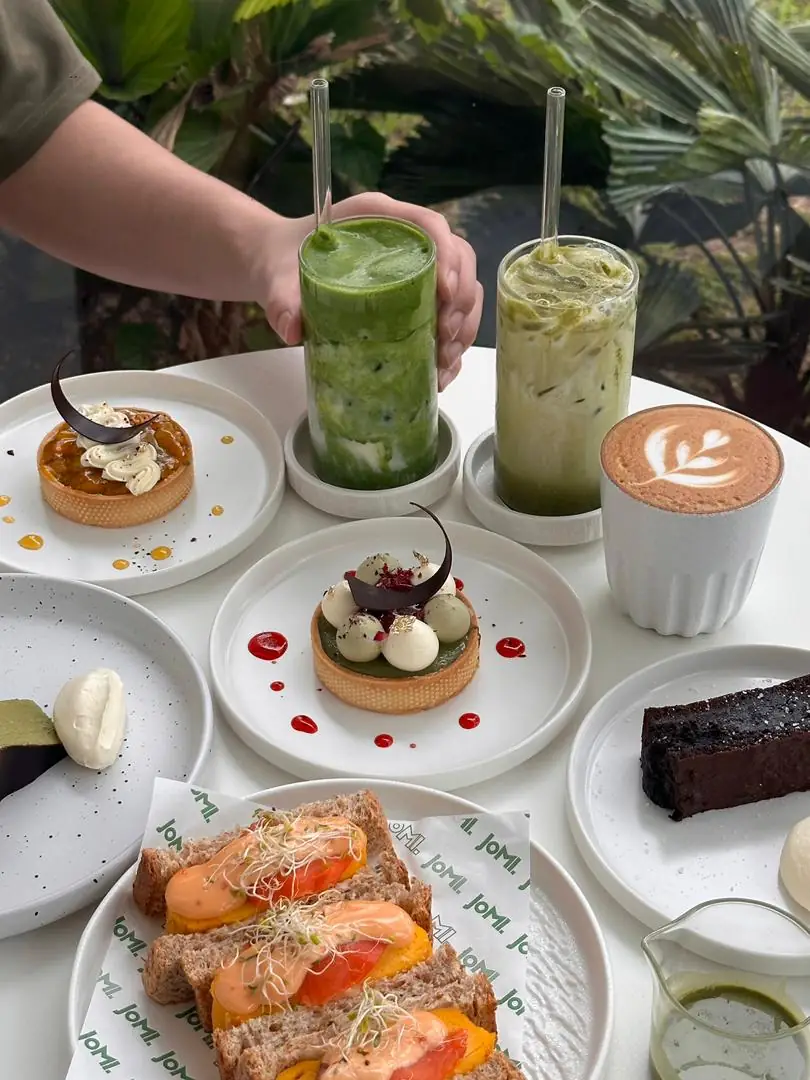
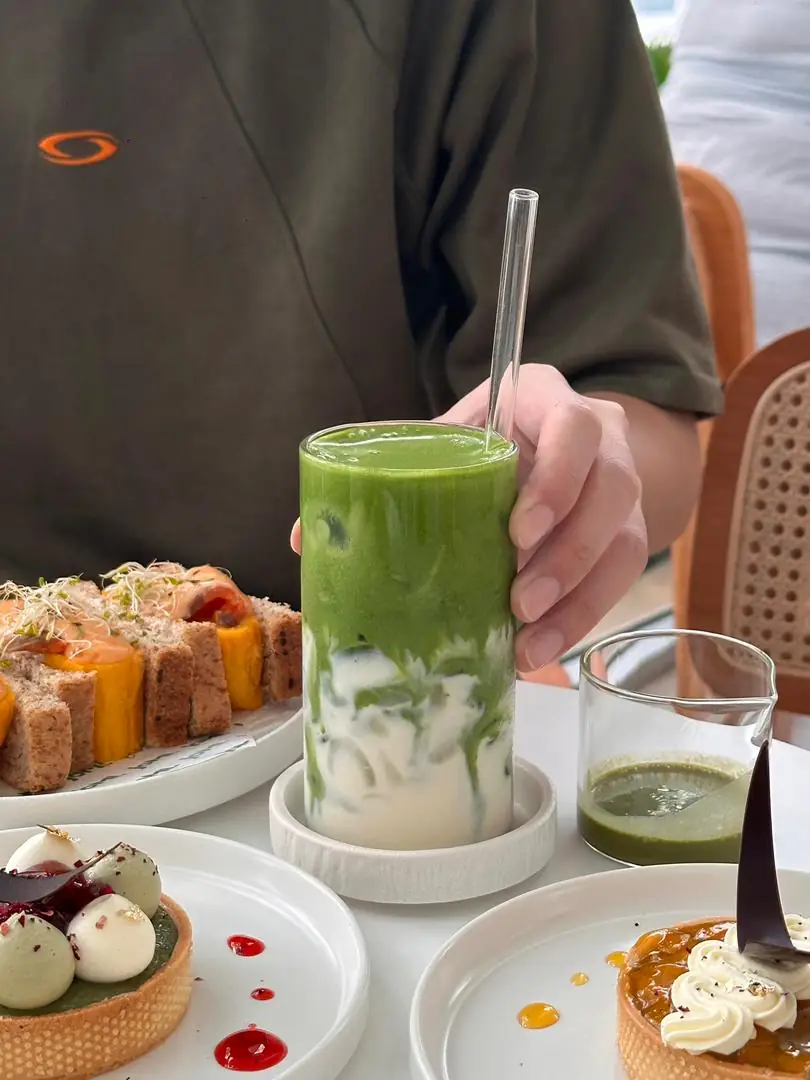
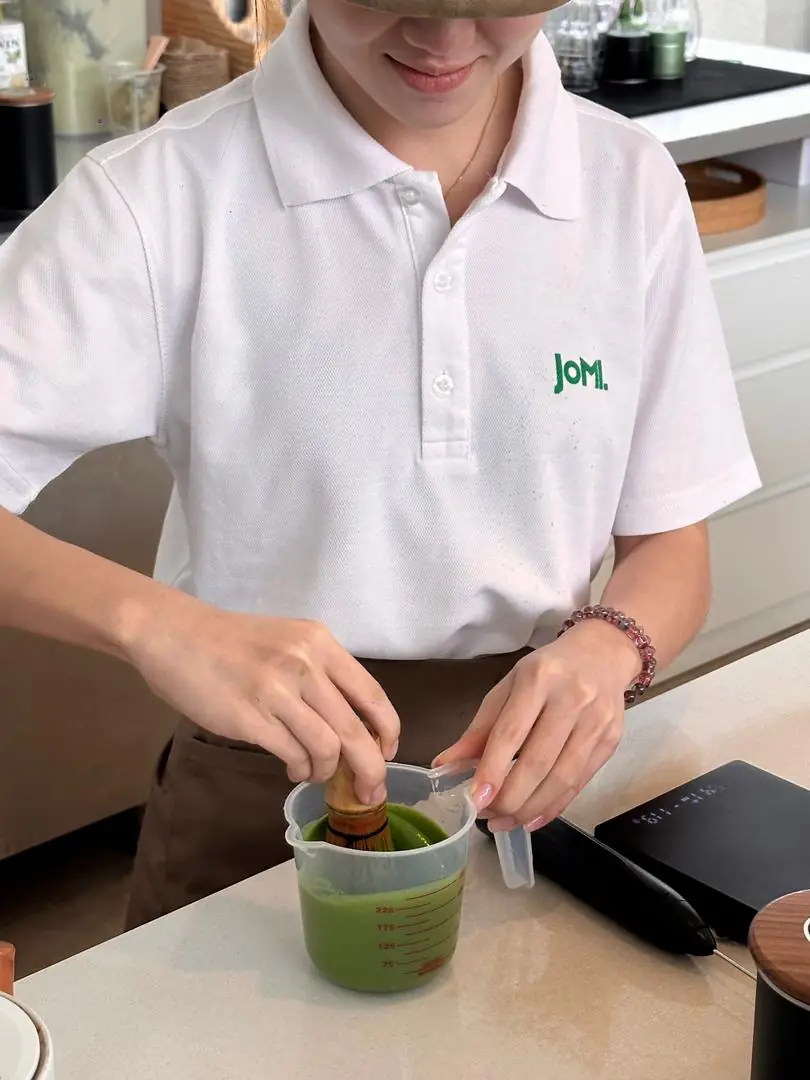
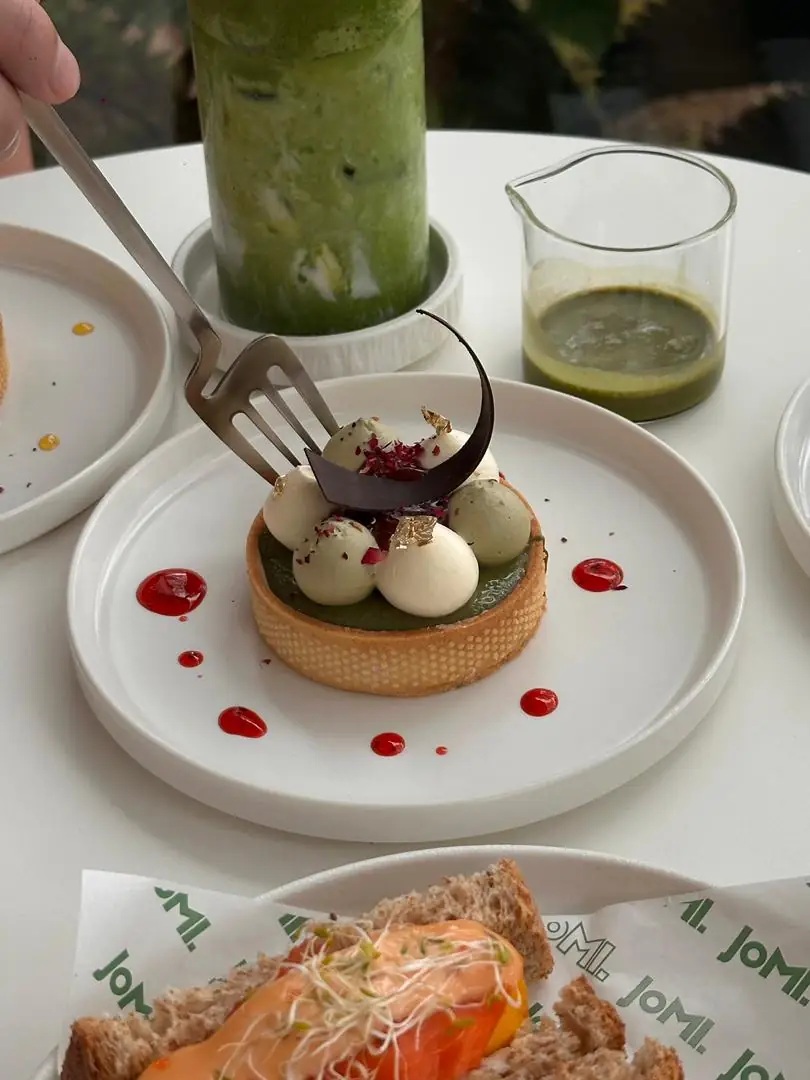
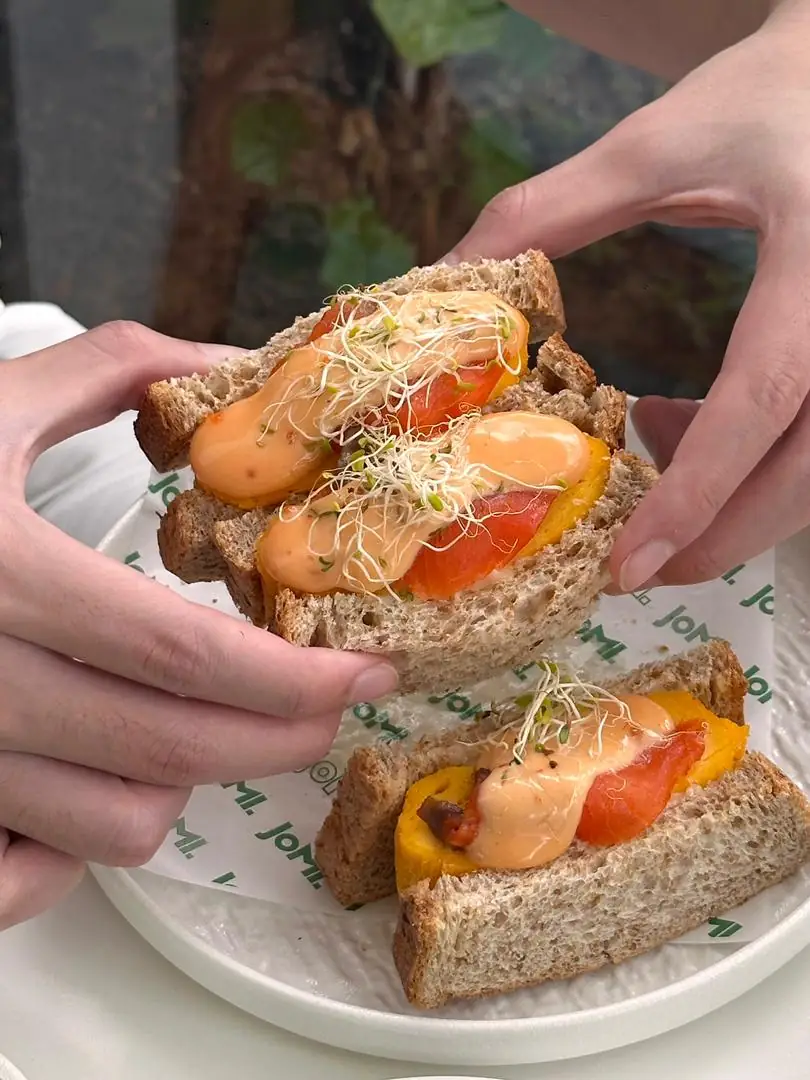
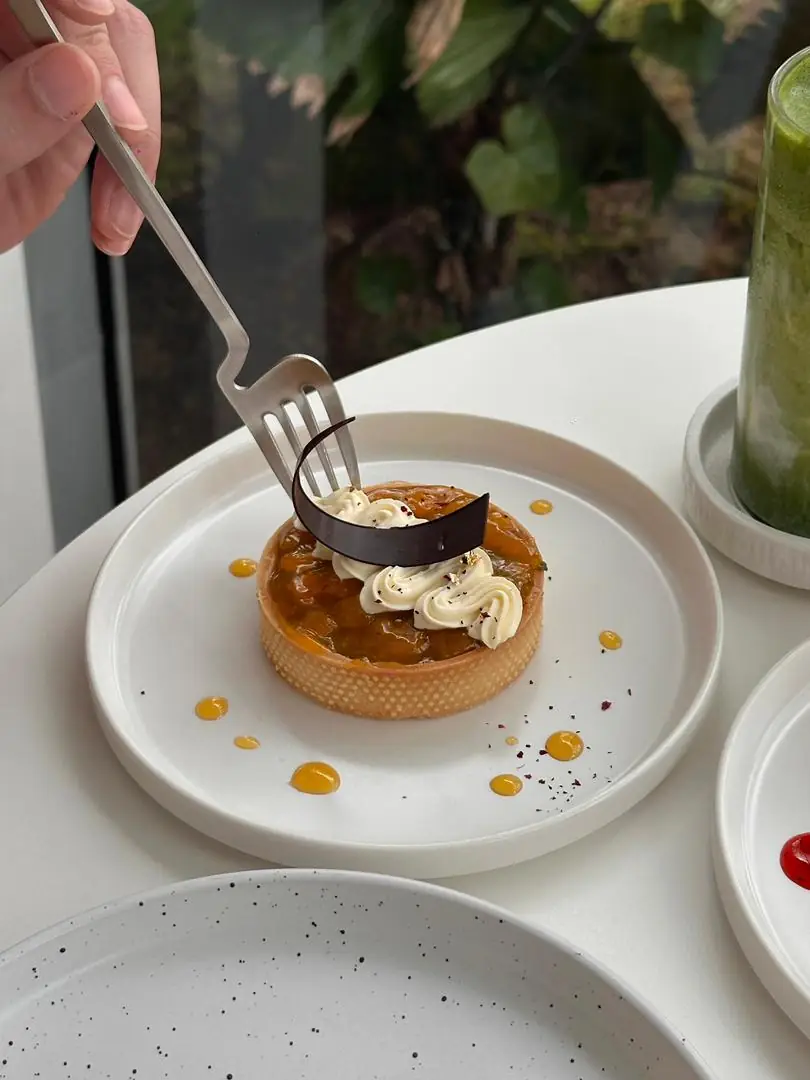
“Showcase ad for an authentic matcha cafe spread in Penang”
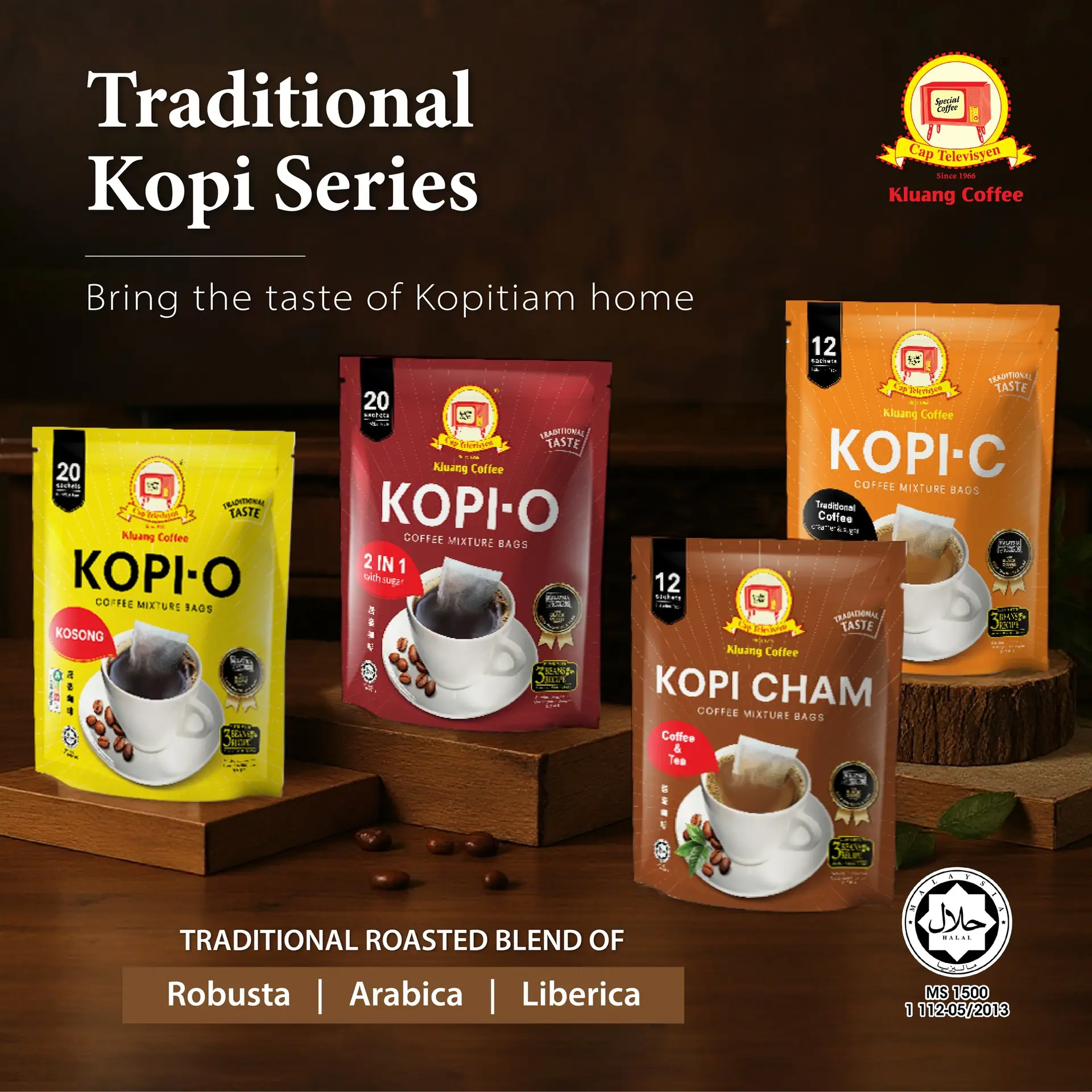
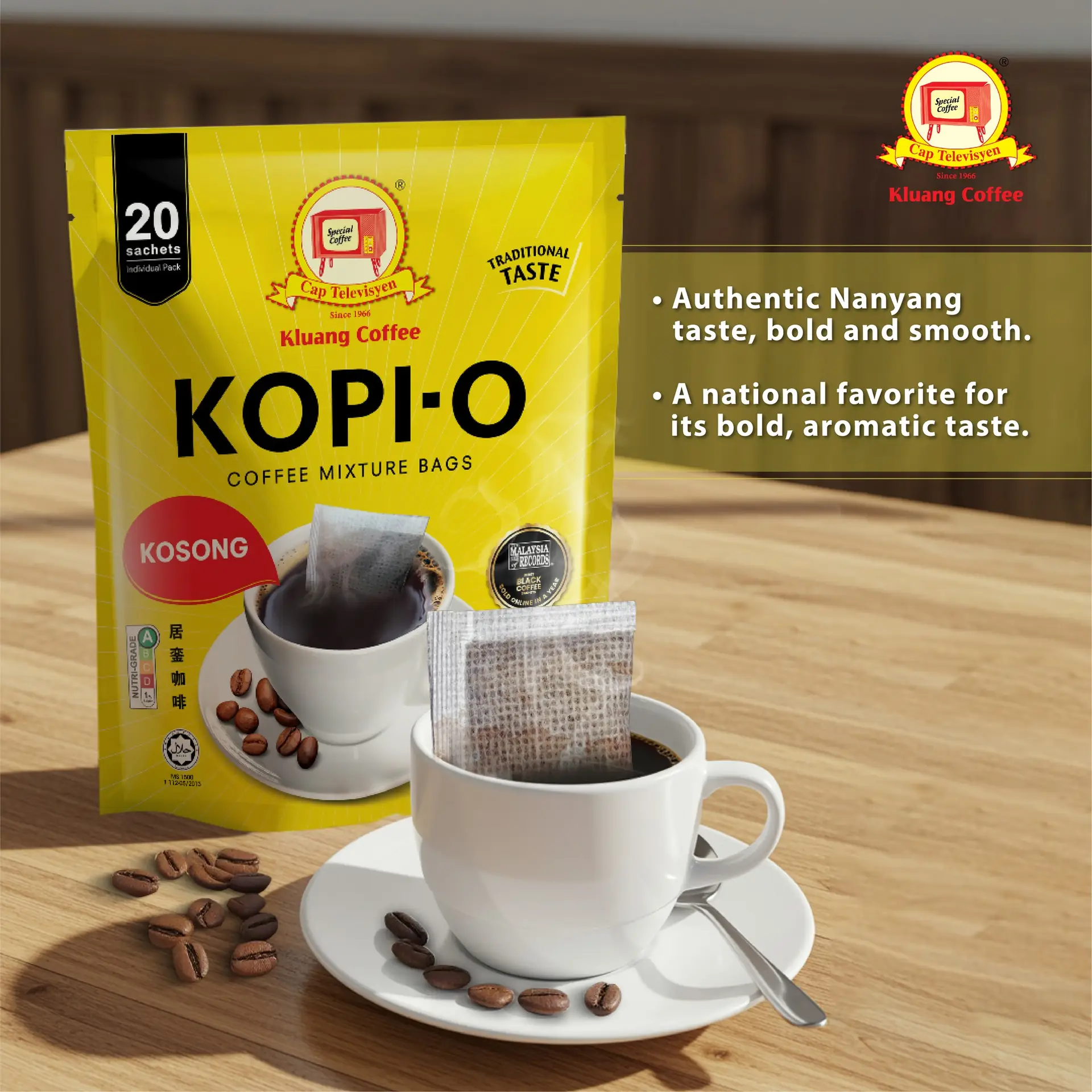
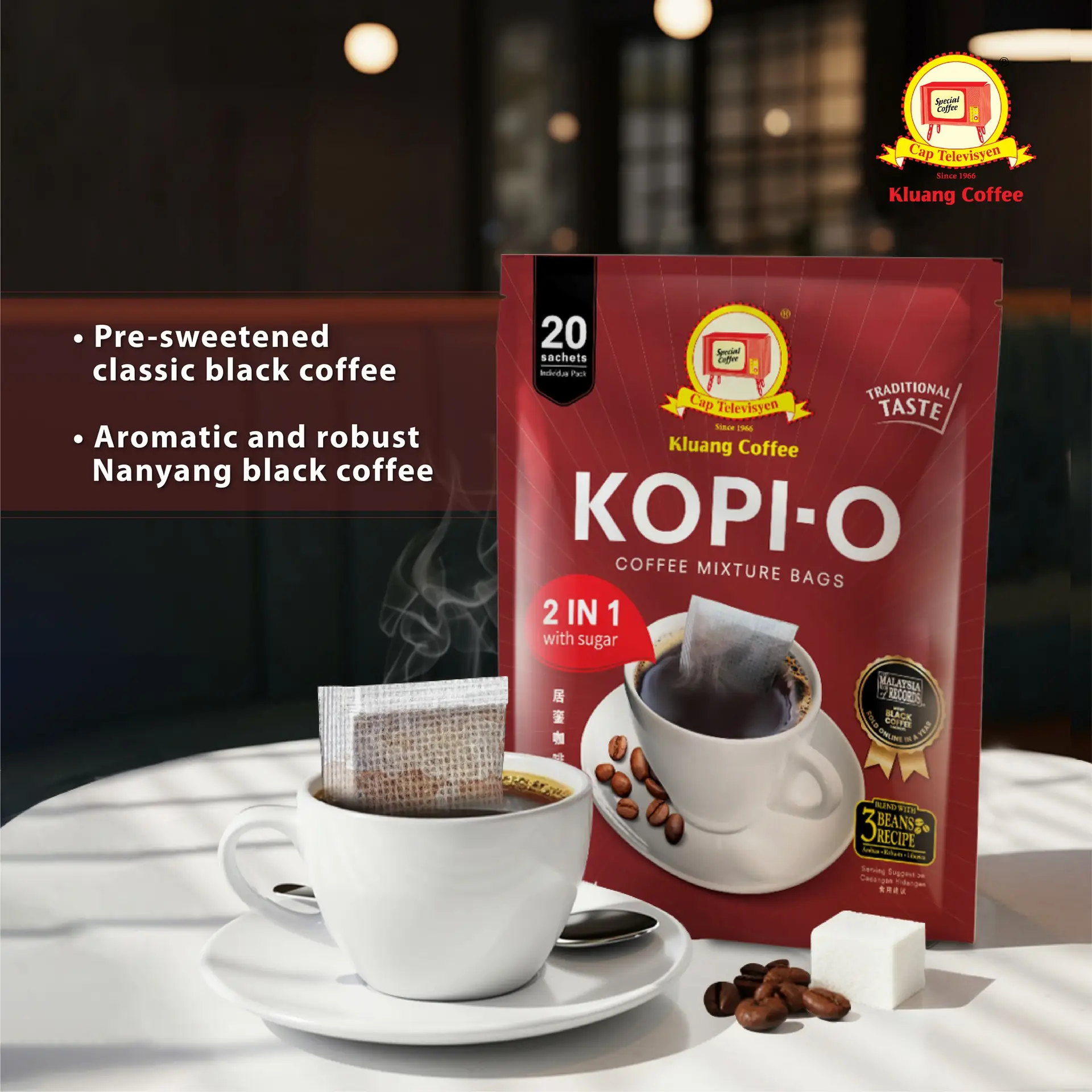
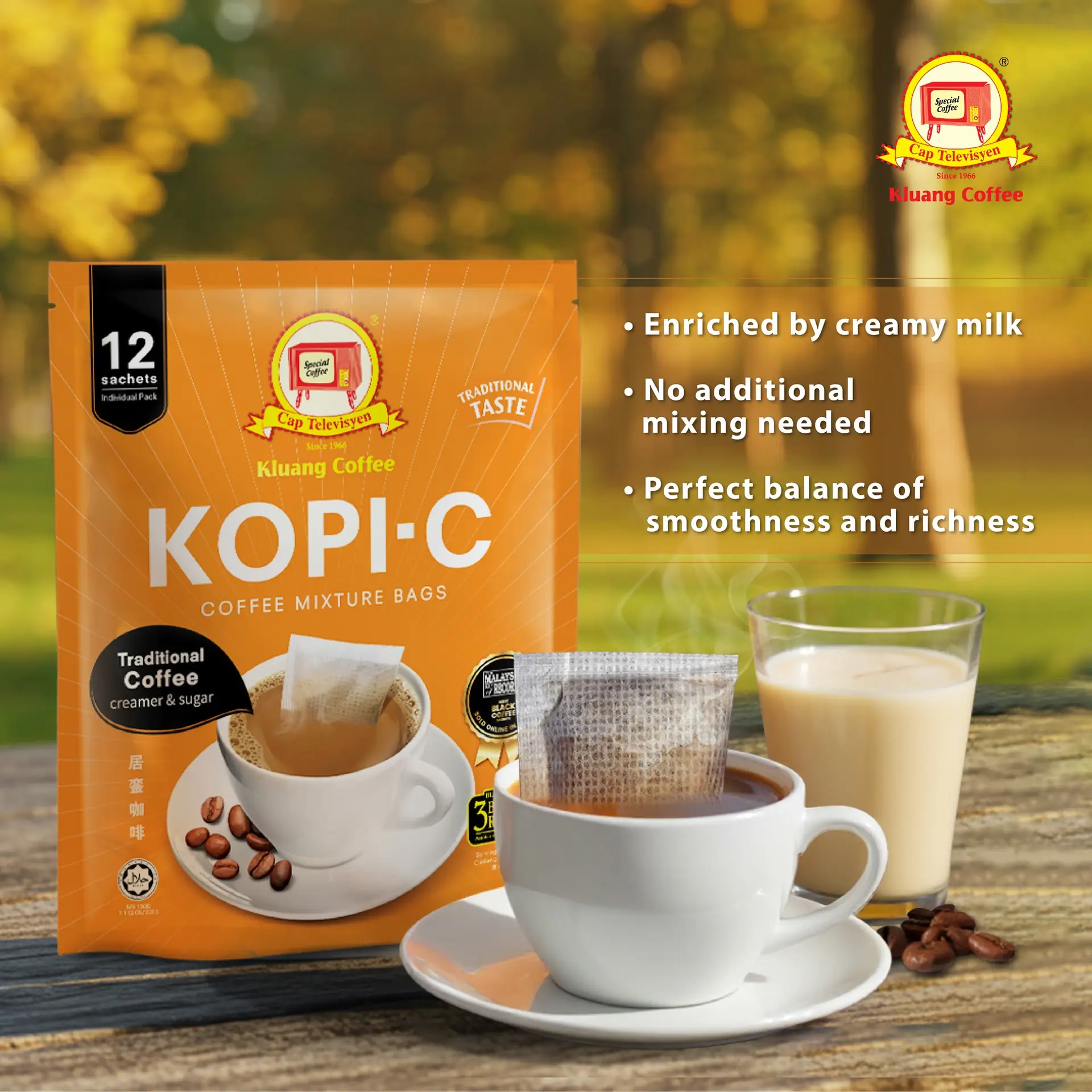
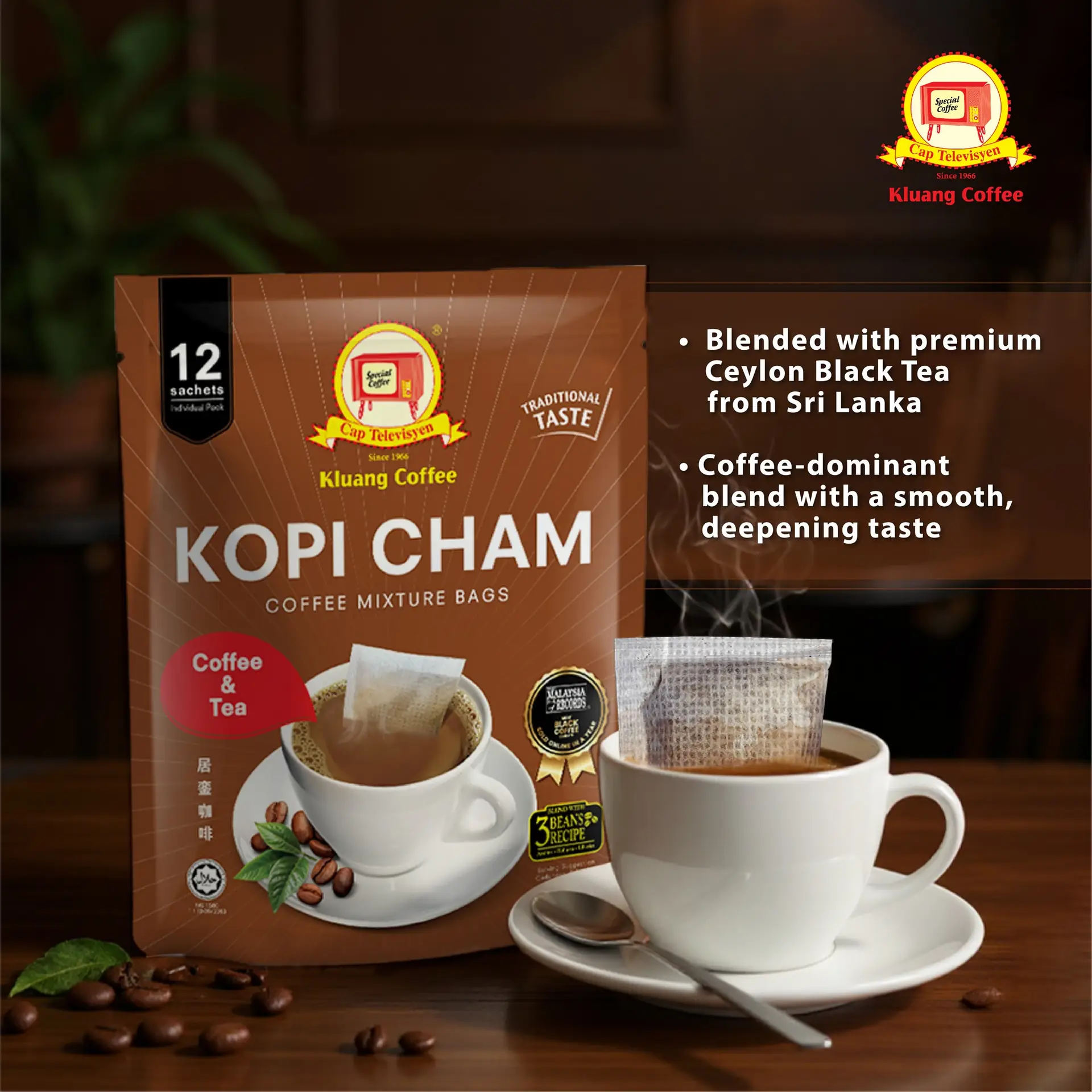
“Showcase ad for a traditional kopi range that brings the kopitiam home”
“Showcase ad for a petai sambal jar over the dish it makes”
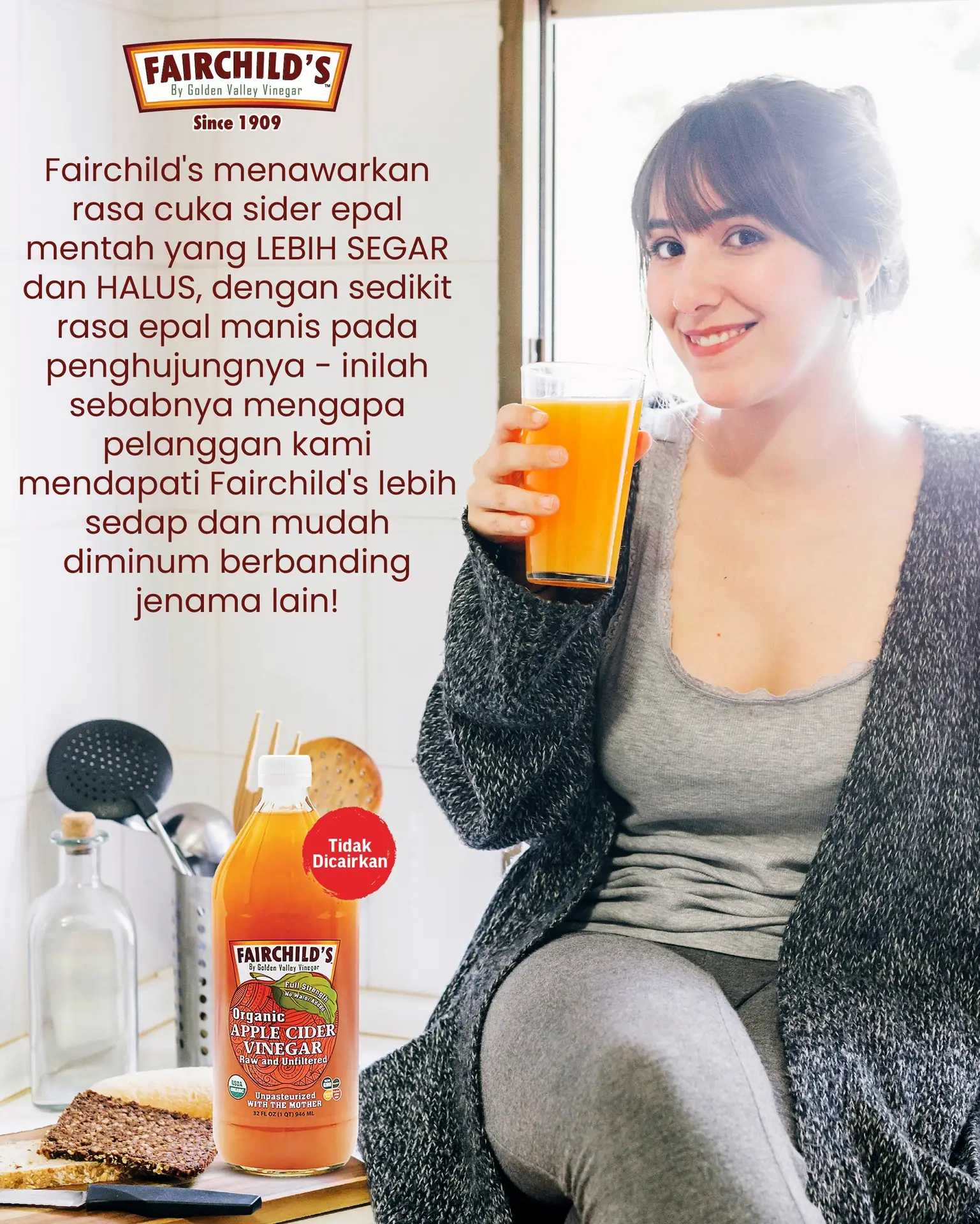
“Feature-callout ad for a fresher, smoother raw apple cider vinegar”
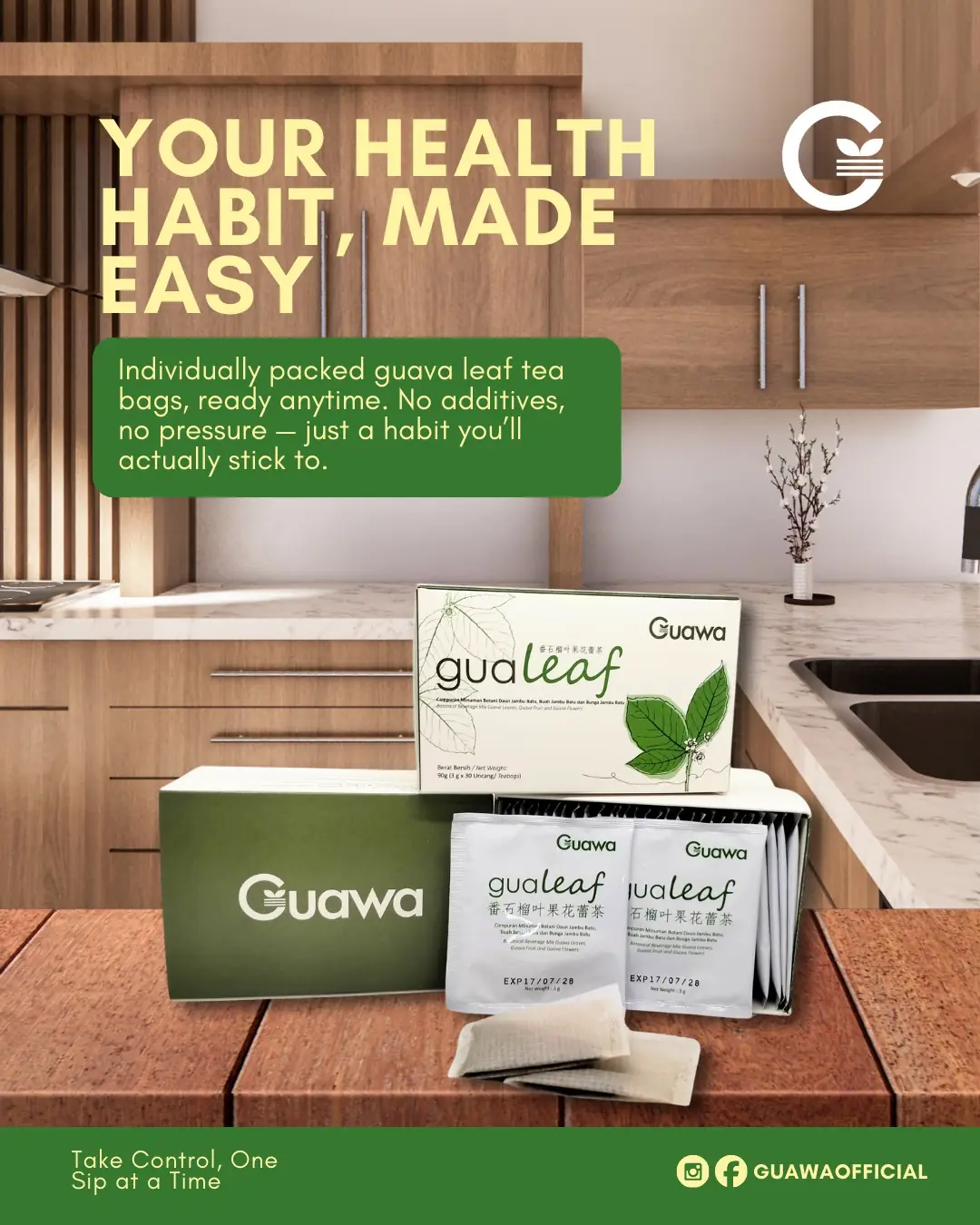
“Feature-callout ad for individually packed guava leaf tea bags”
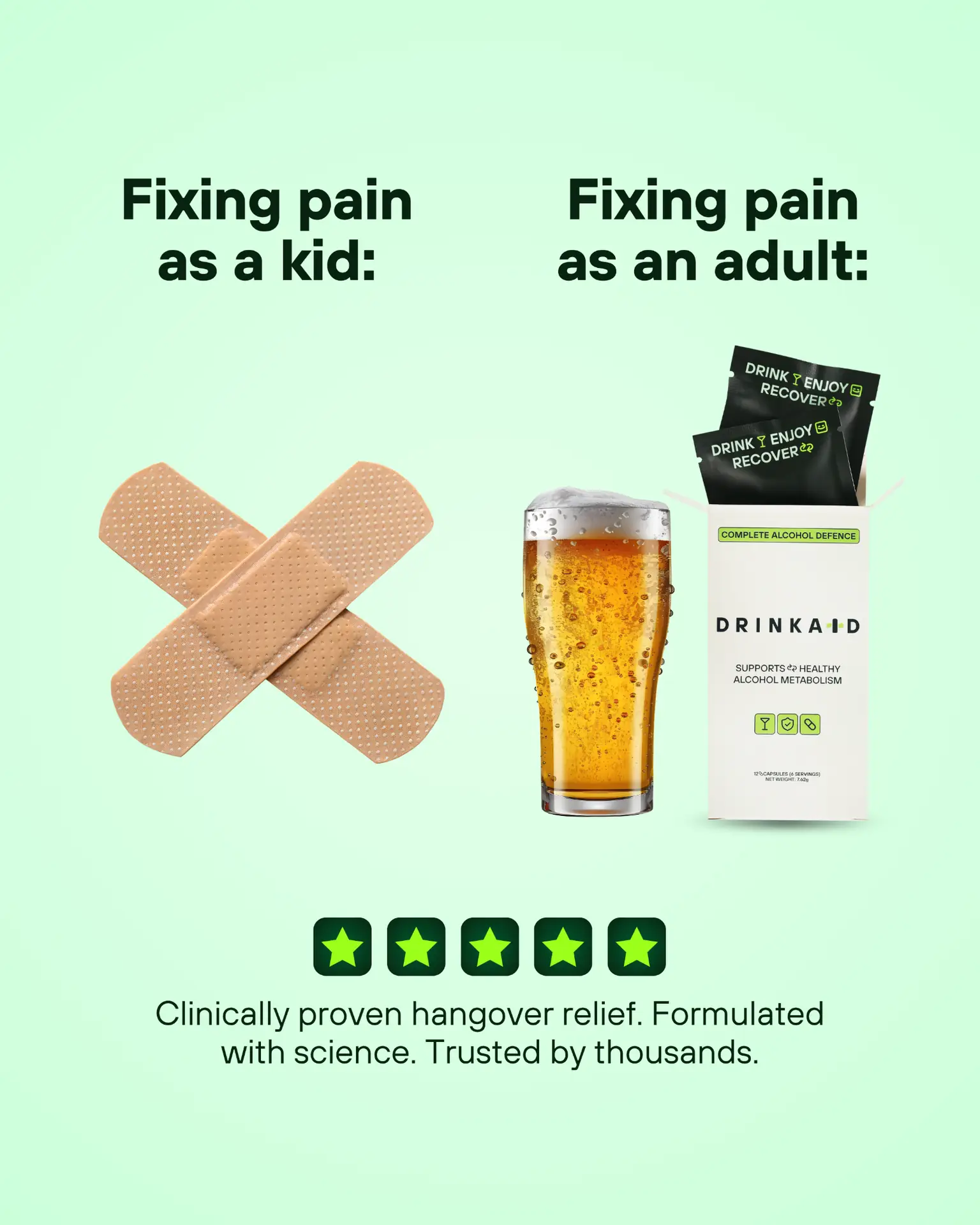
“Comparison ad for hangover relief, fixing pain as an adult”

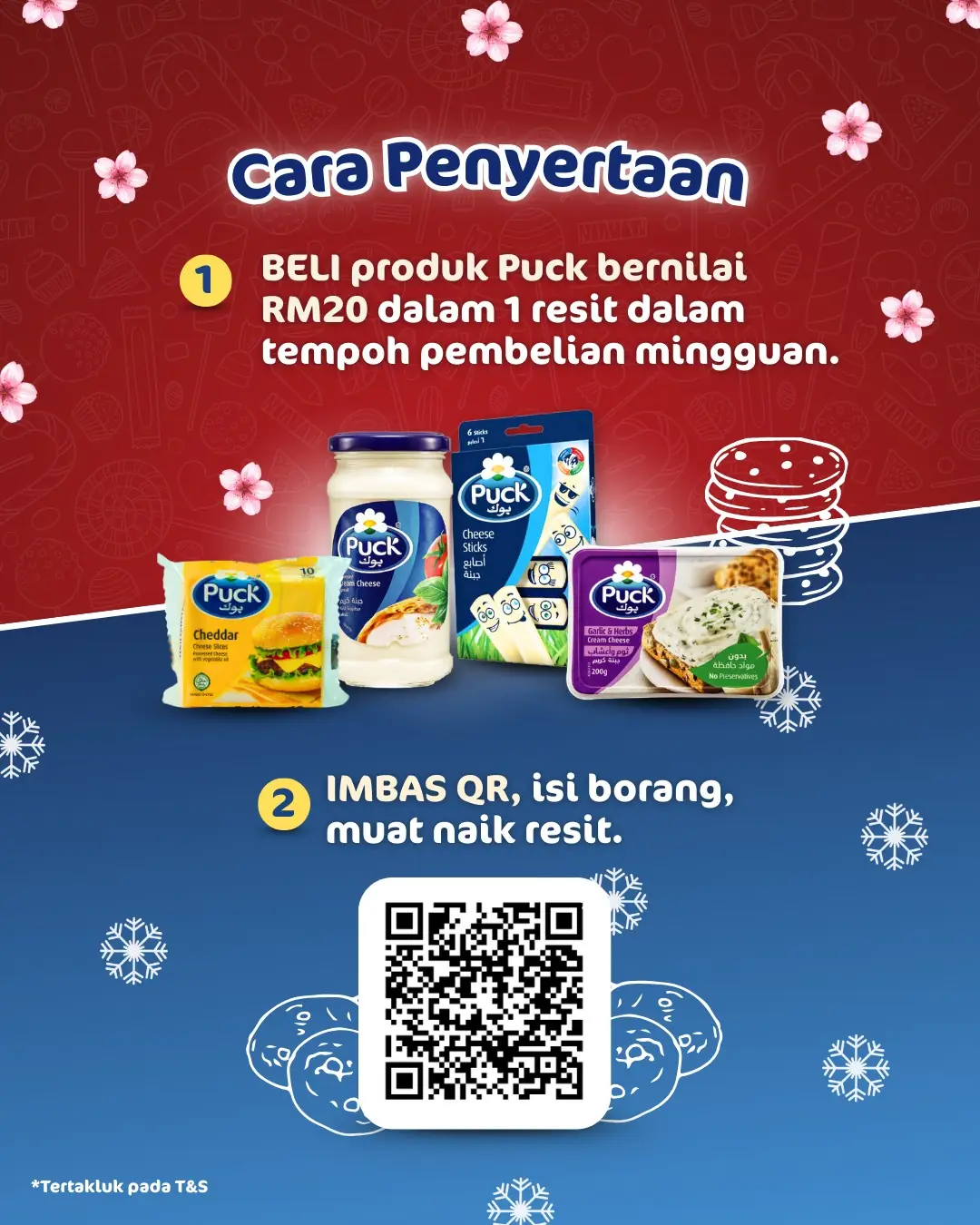
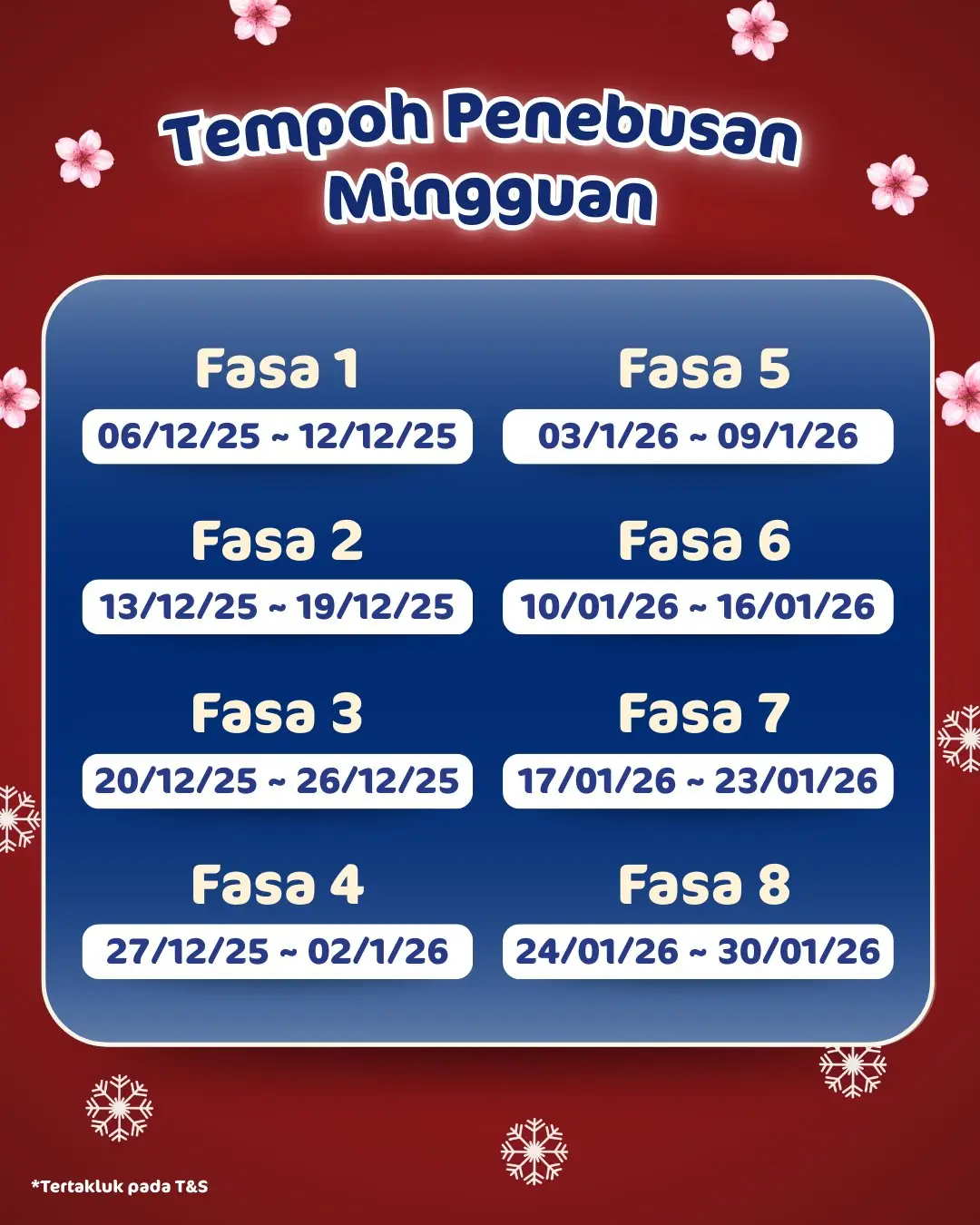
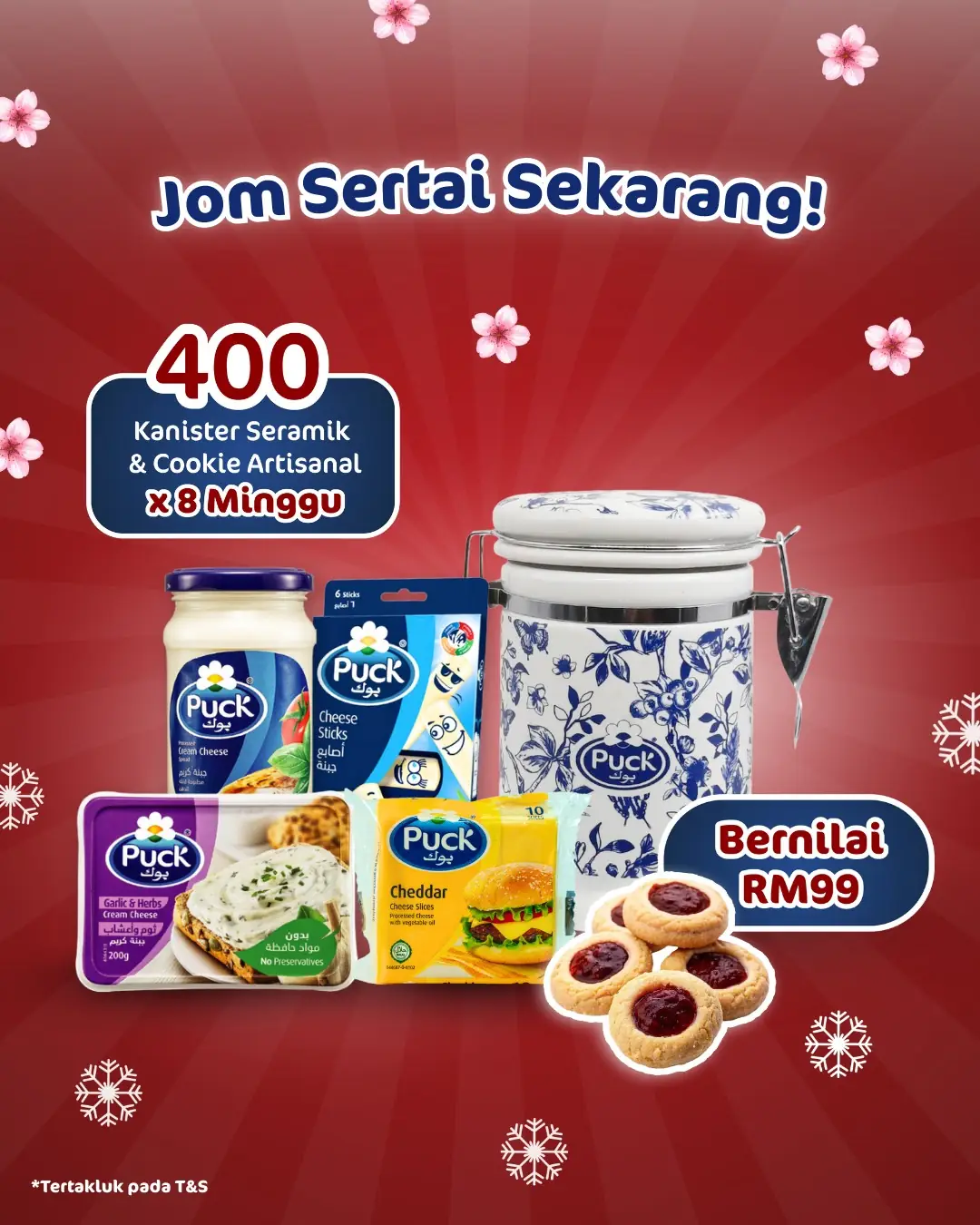
“Discount ad: spend RM20 on Puck, redeem a festive cookie canister”
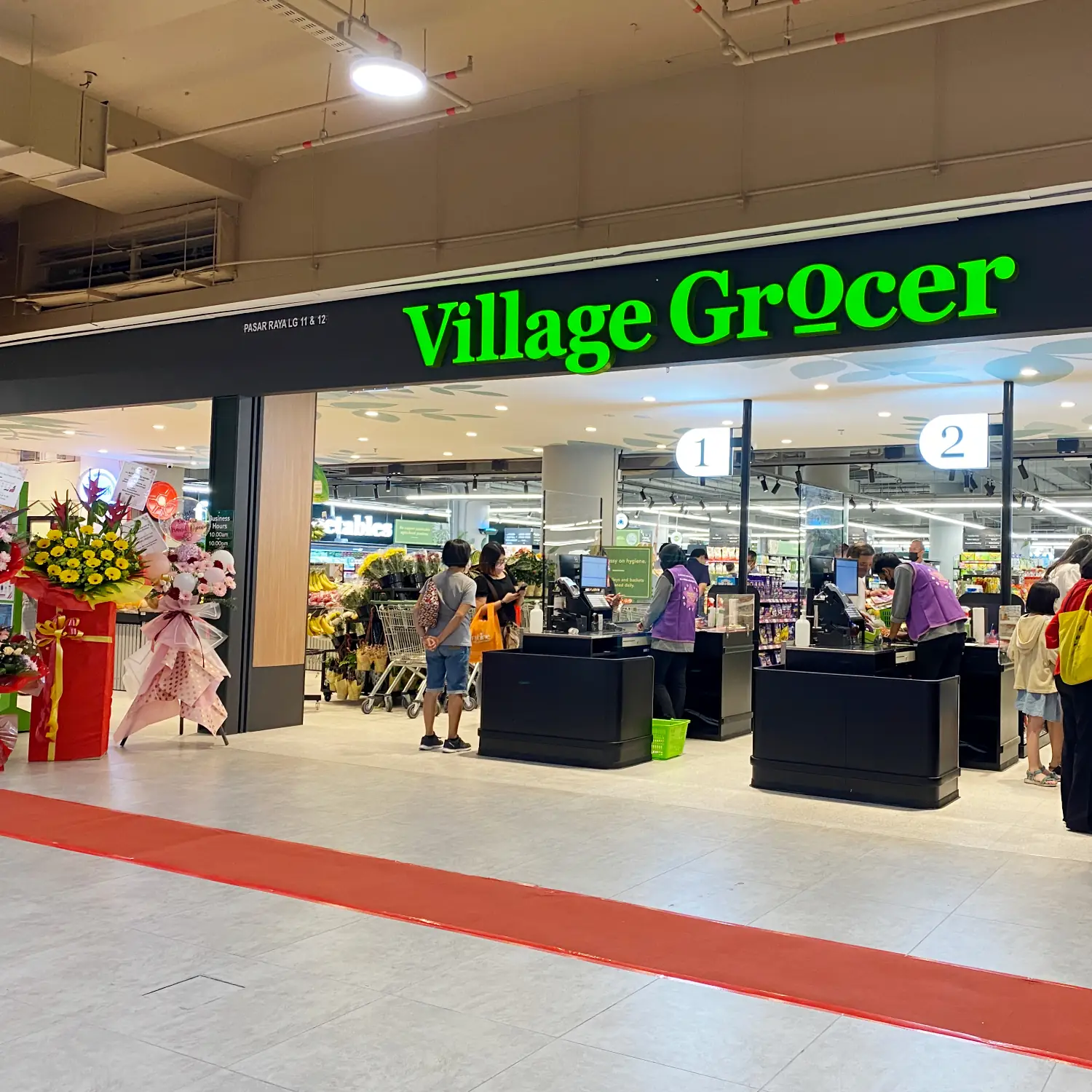
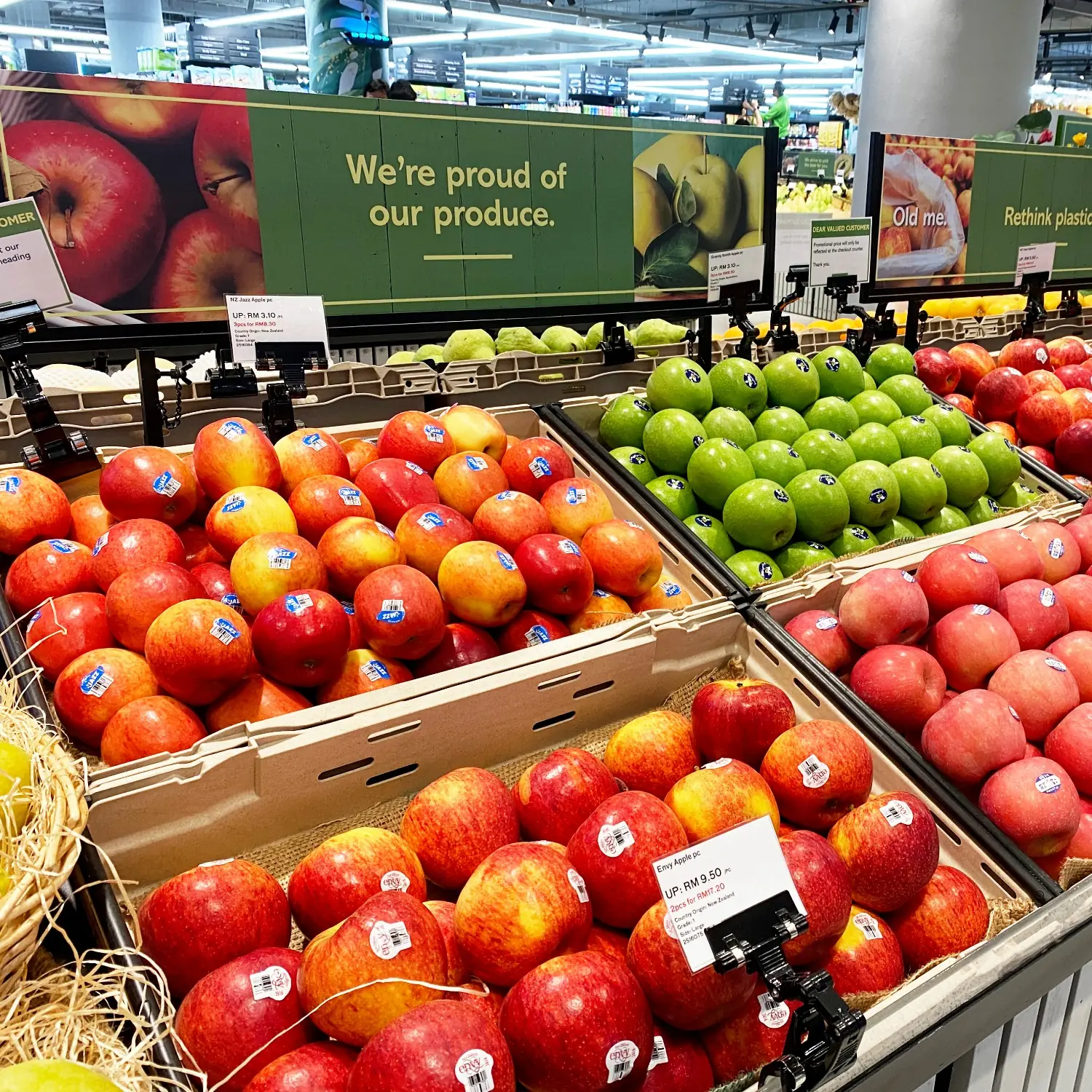
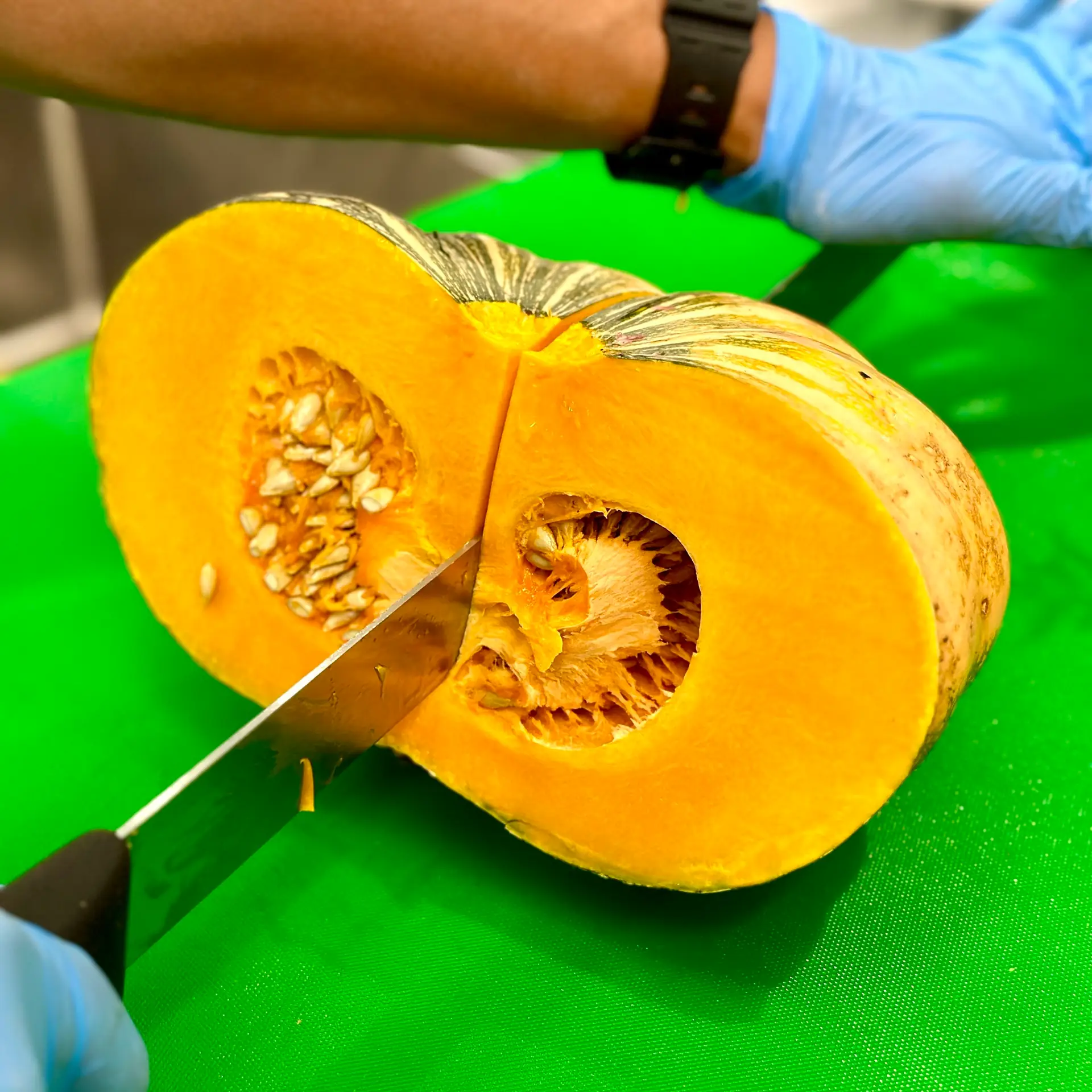
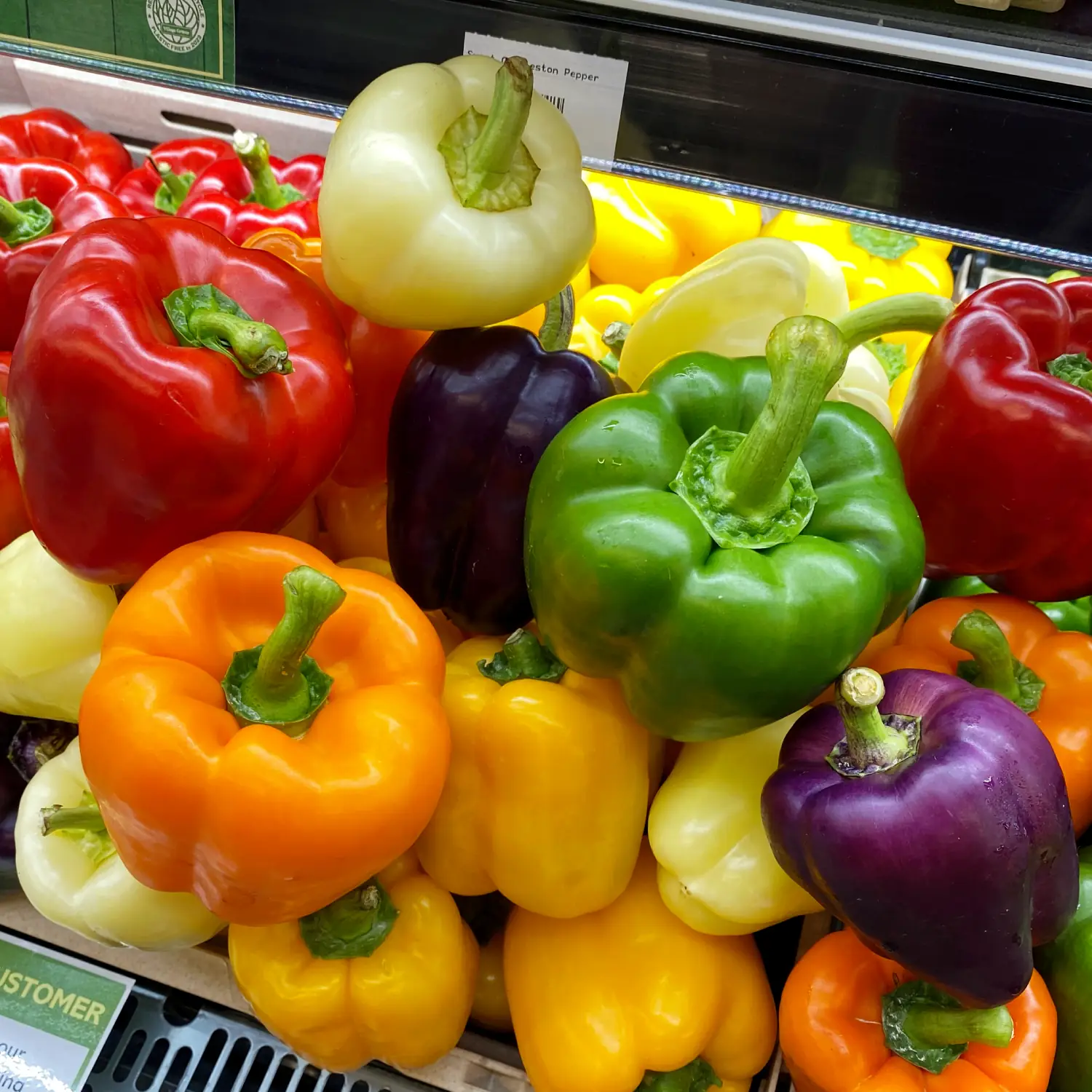
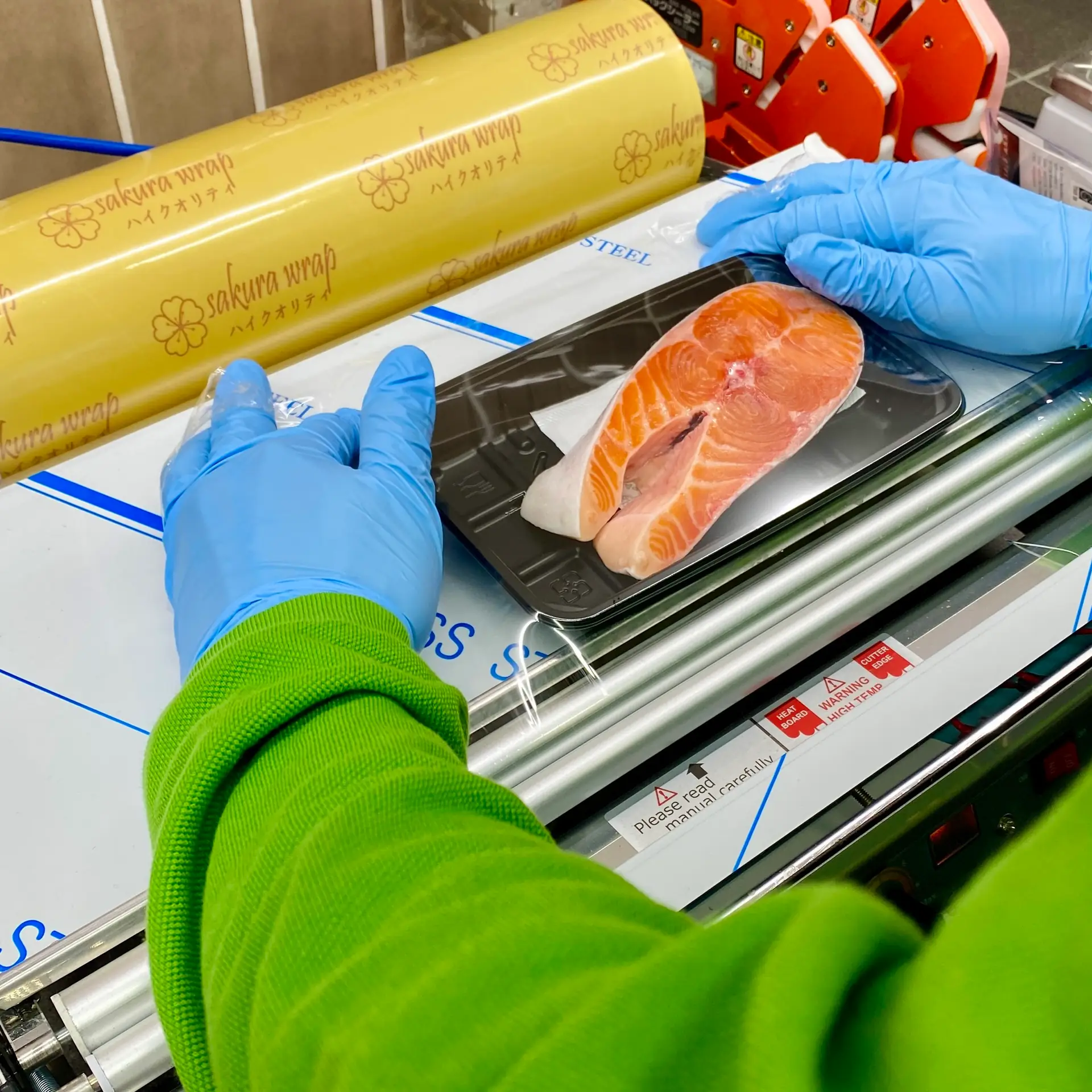
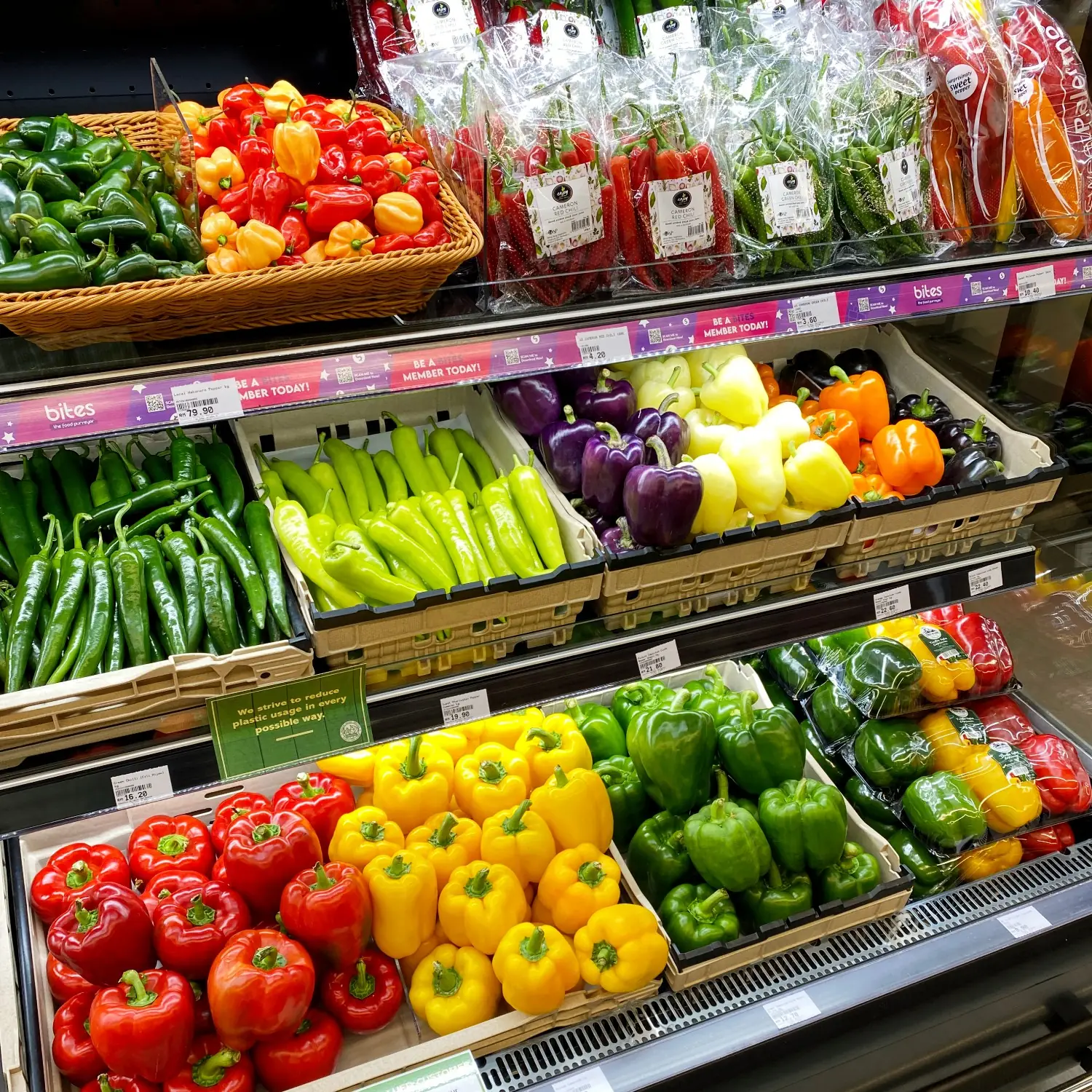
“Announcement ad: a new Village Grocer now open in Penang”
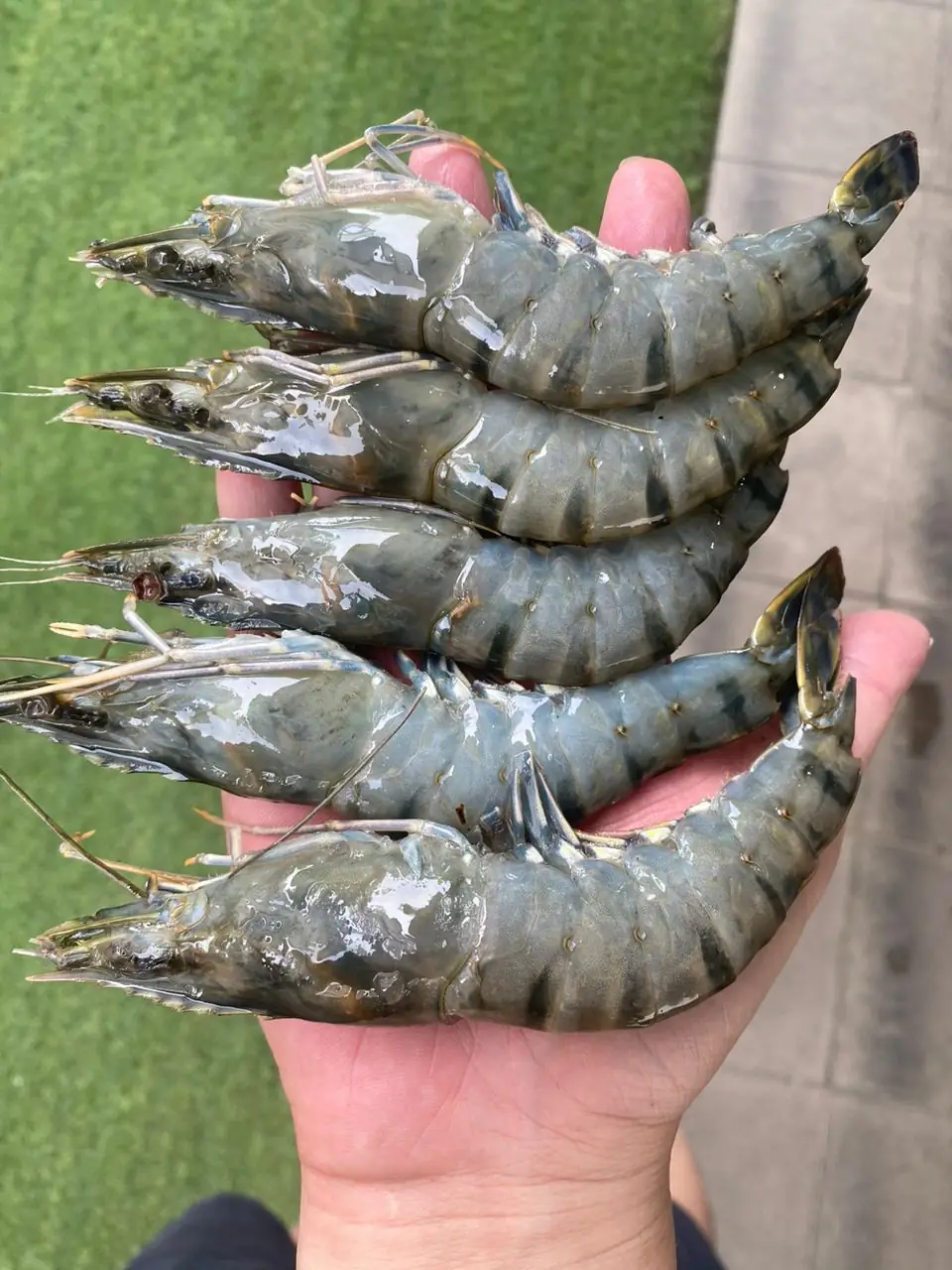
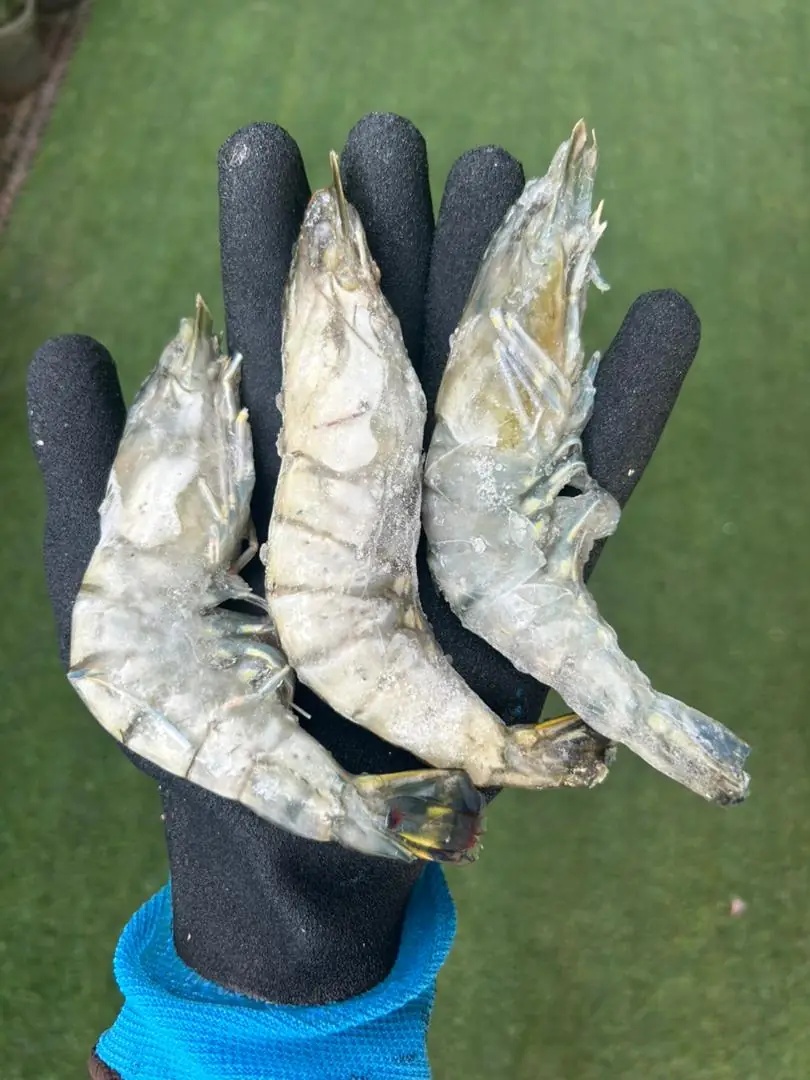
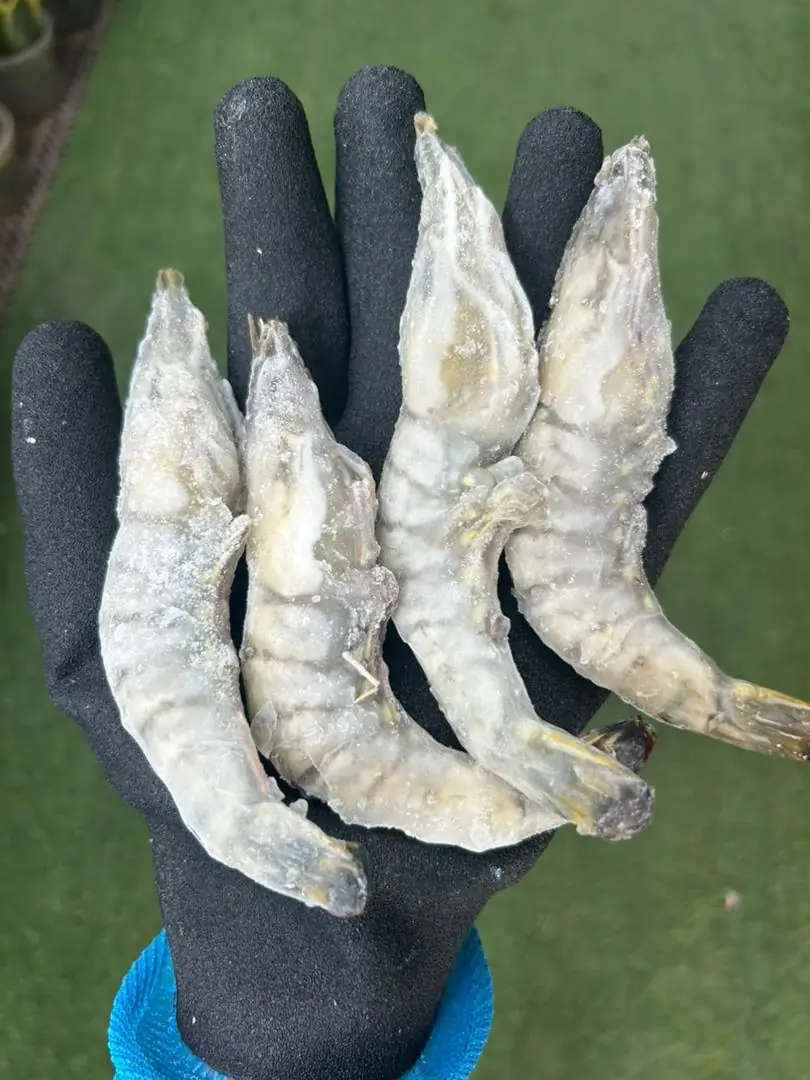
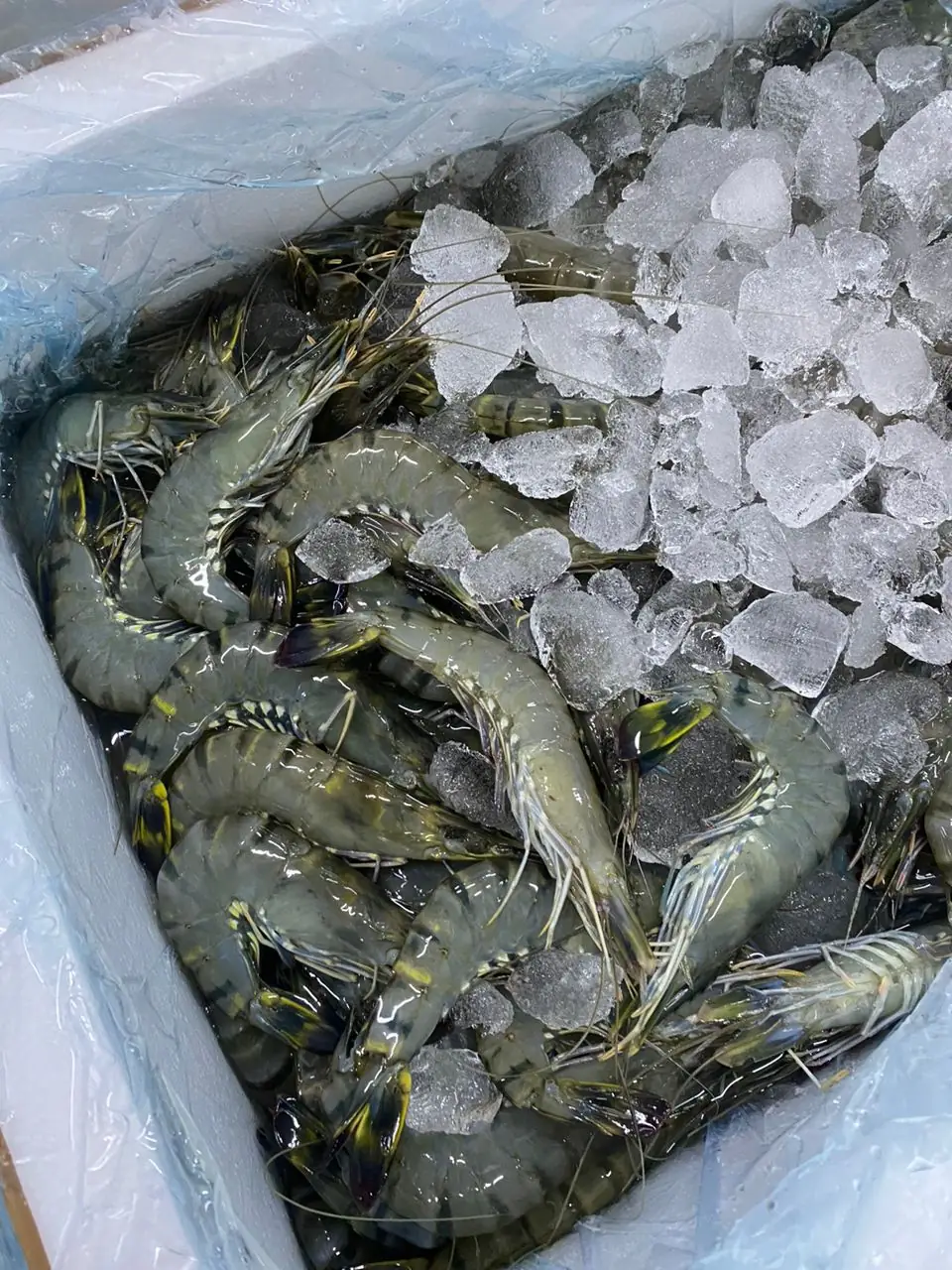
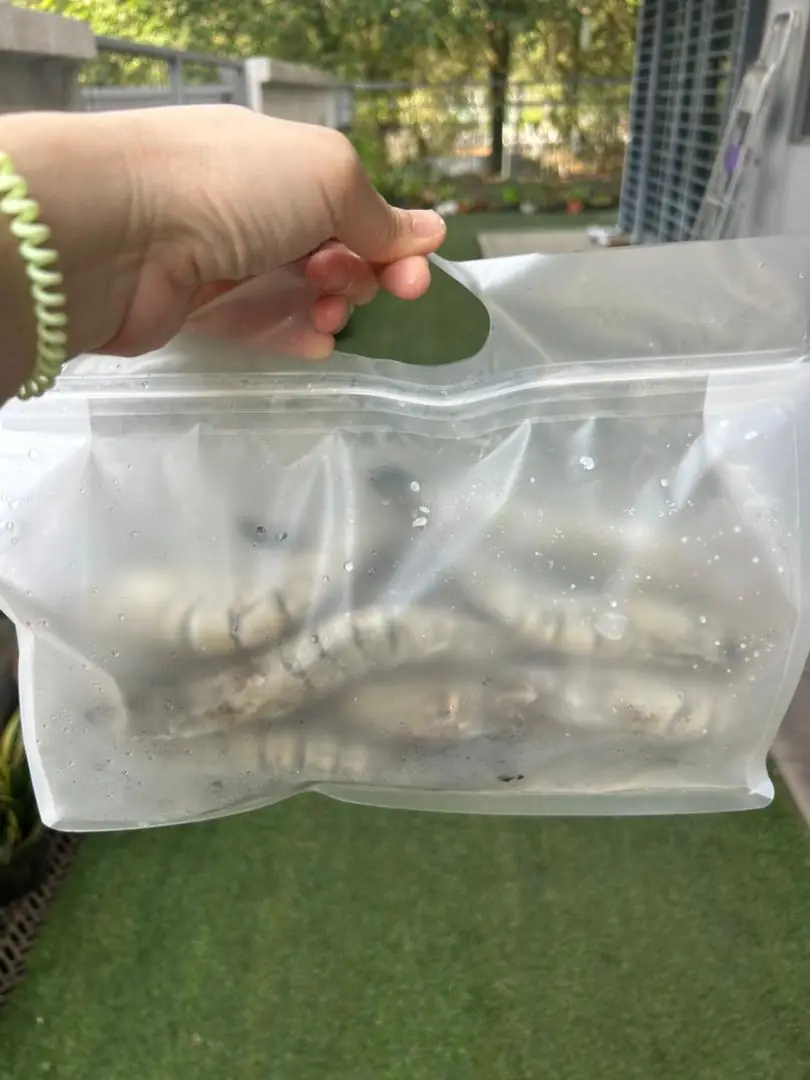
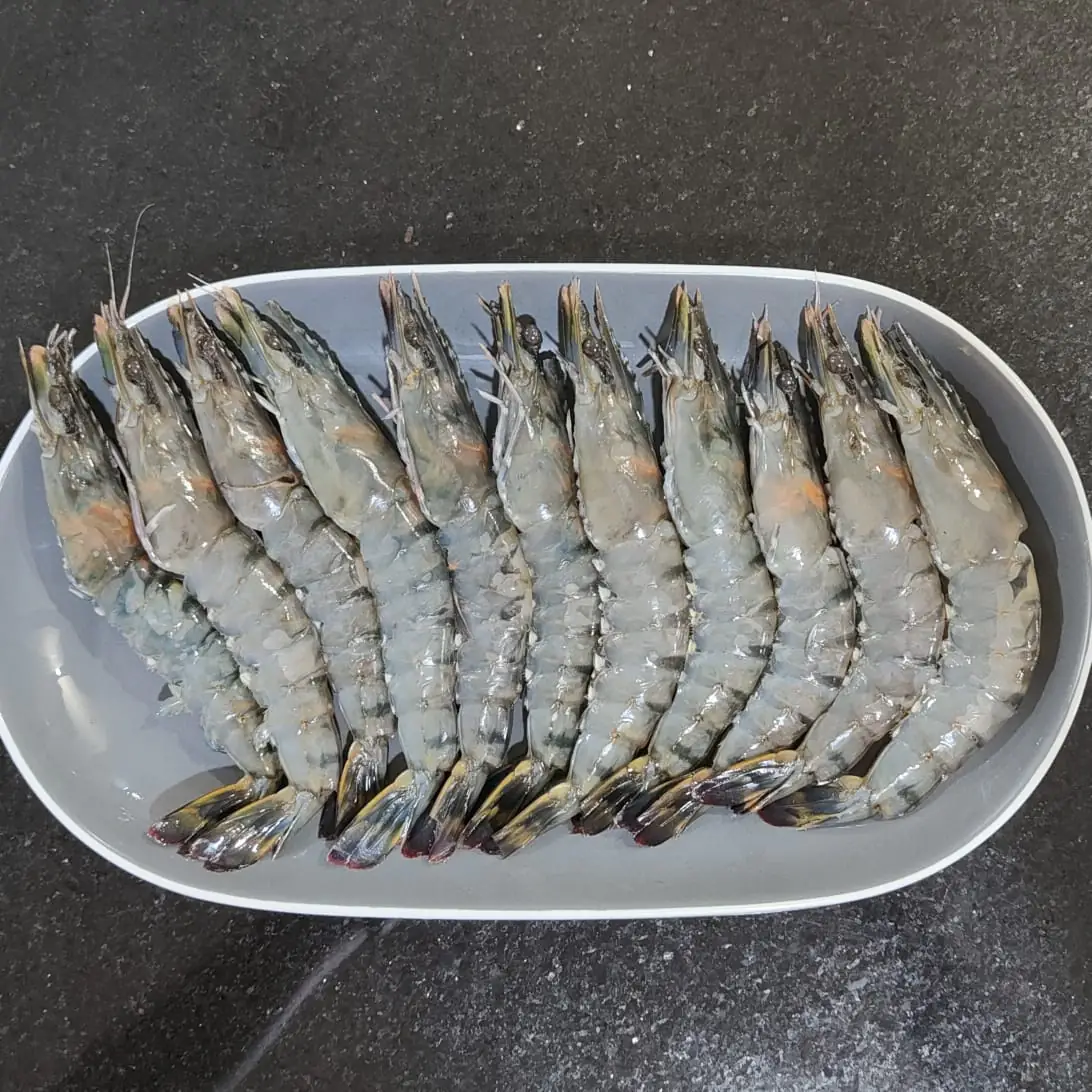
“Showcase ad for fresh IQF tiger prawns that save cost and time”
“UGC ad for tasting a spicy Korean-style dish that rivals Korea”
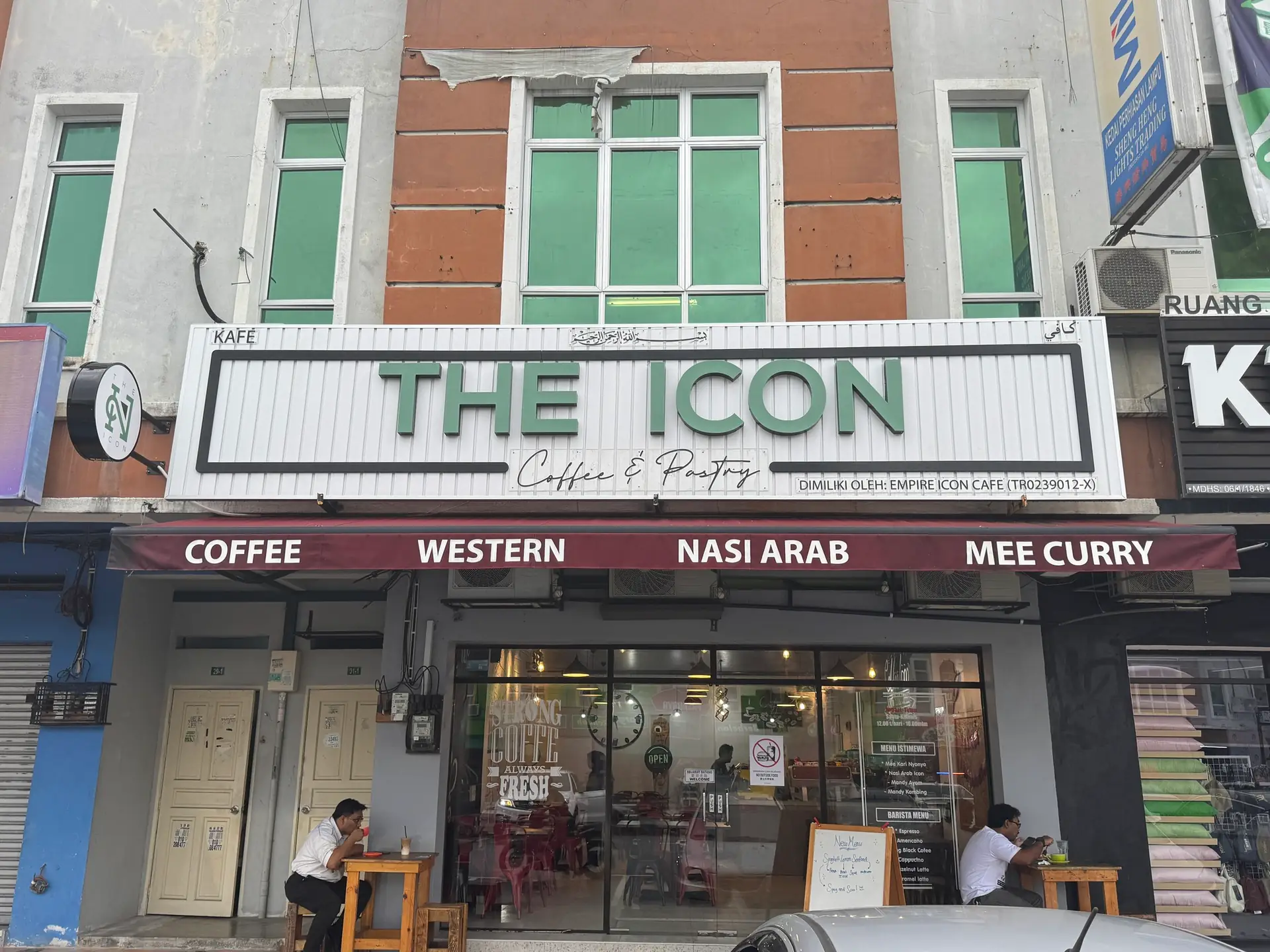
“Showcase ad for a cafe menu from coffee to nasi Arab”
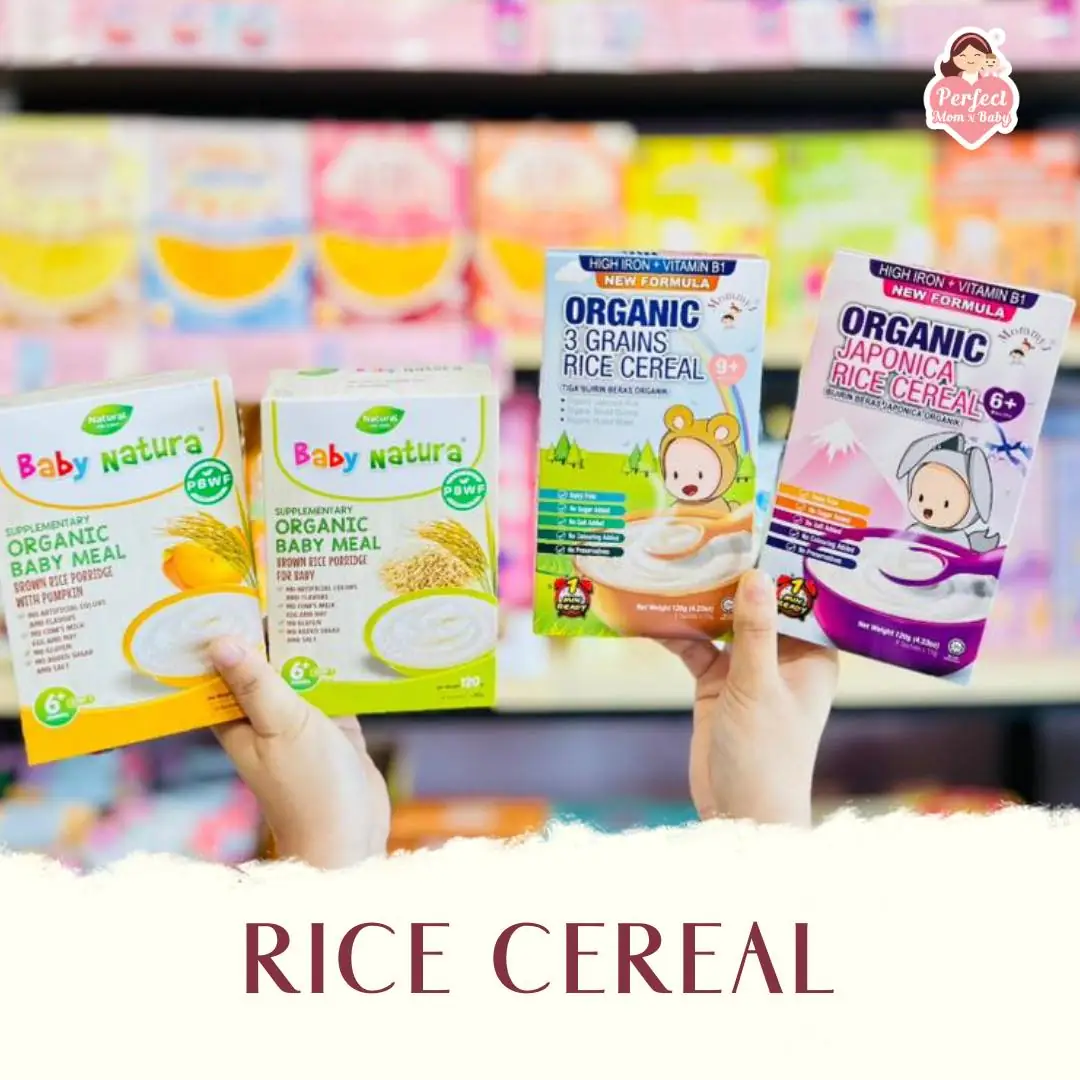
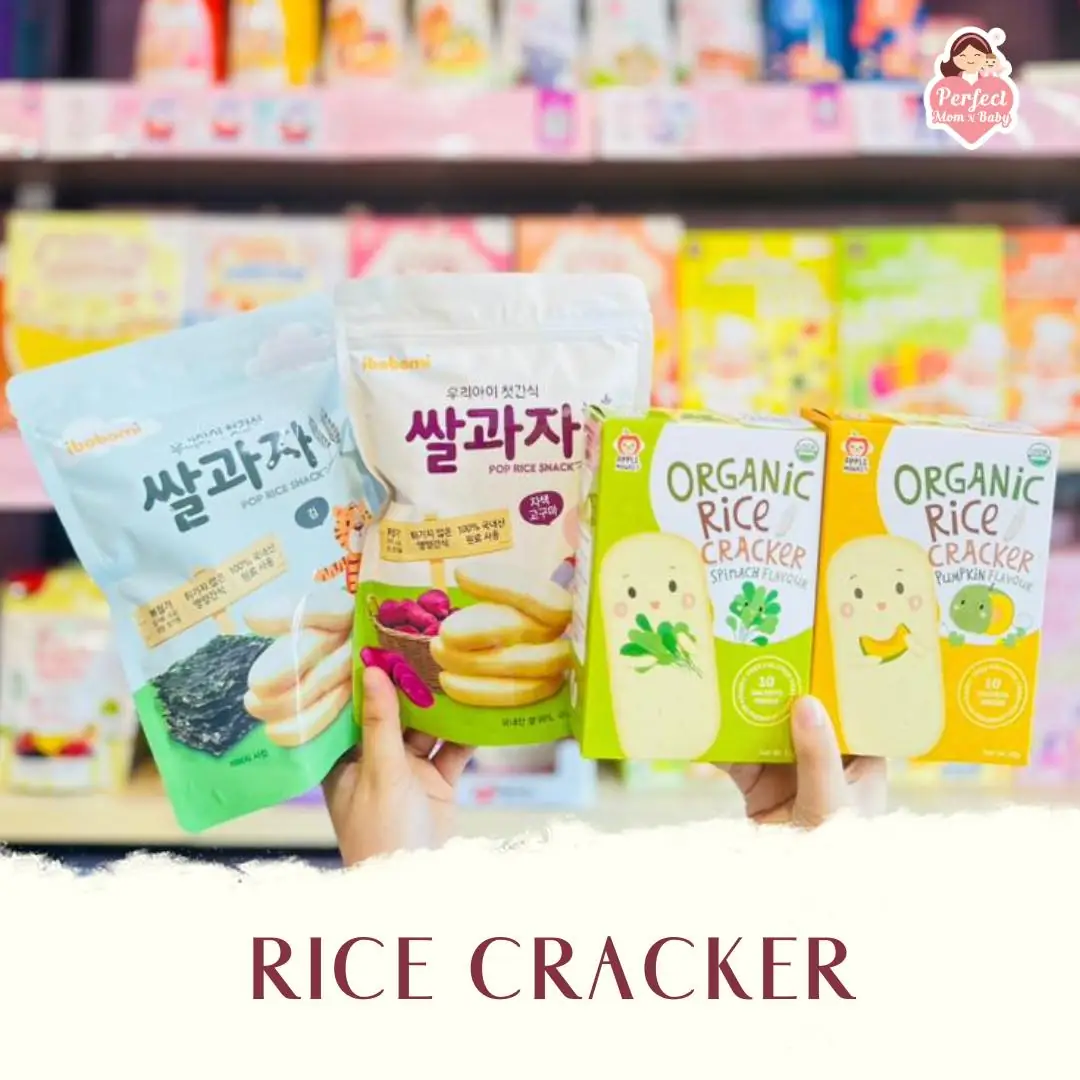
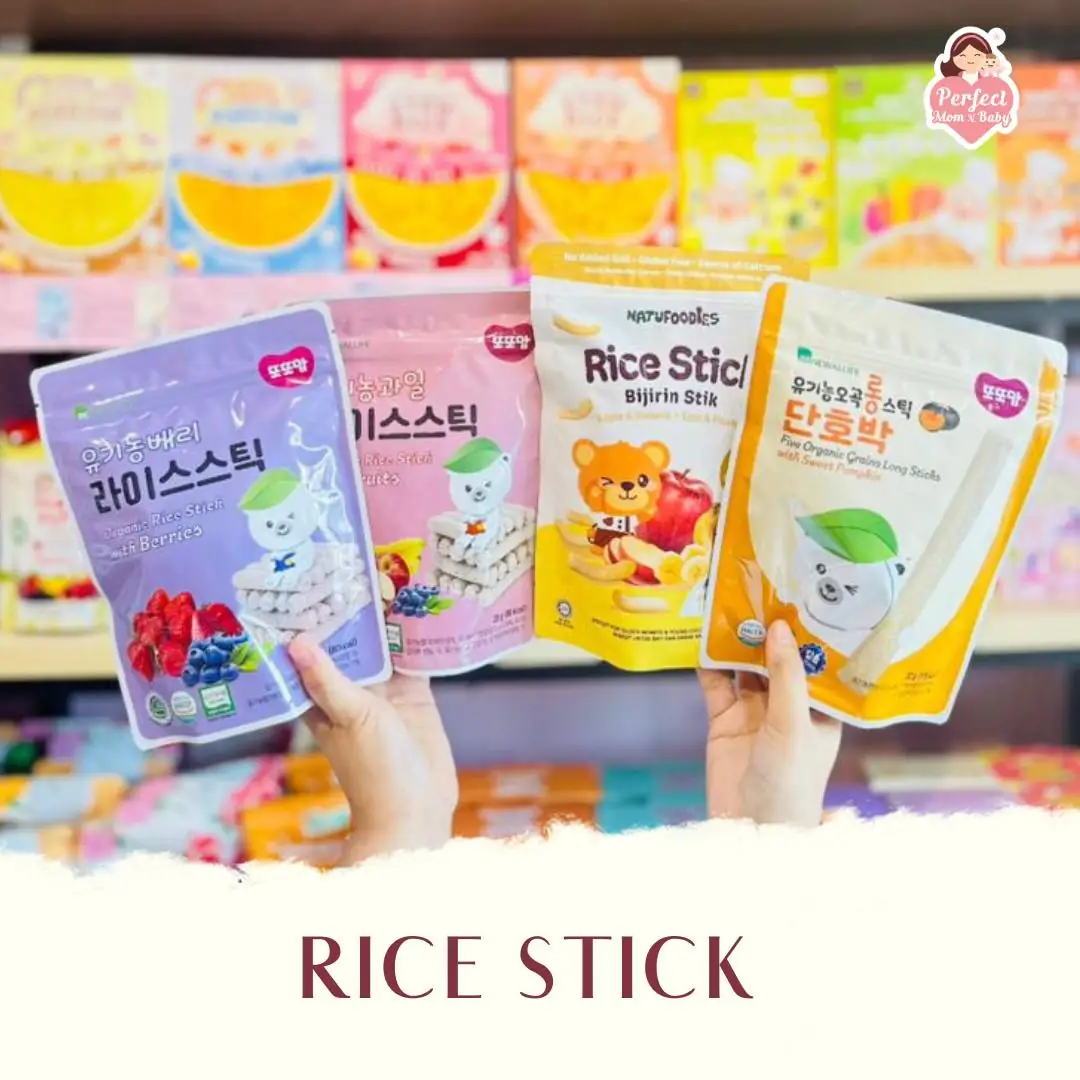
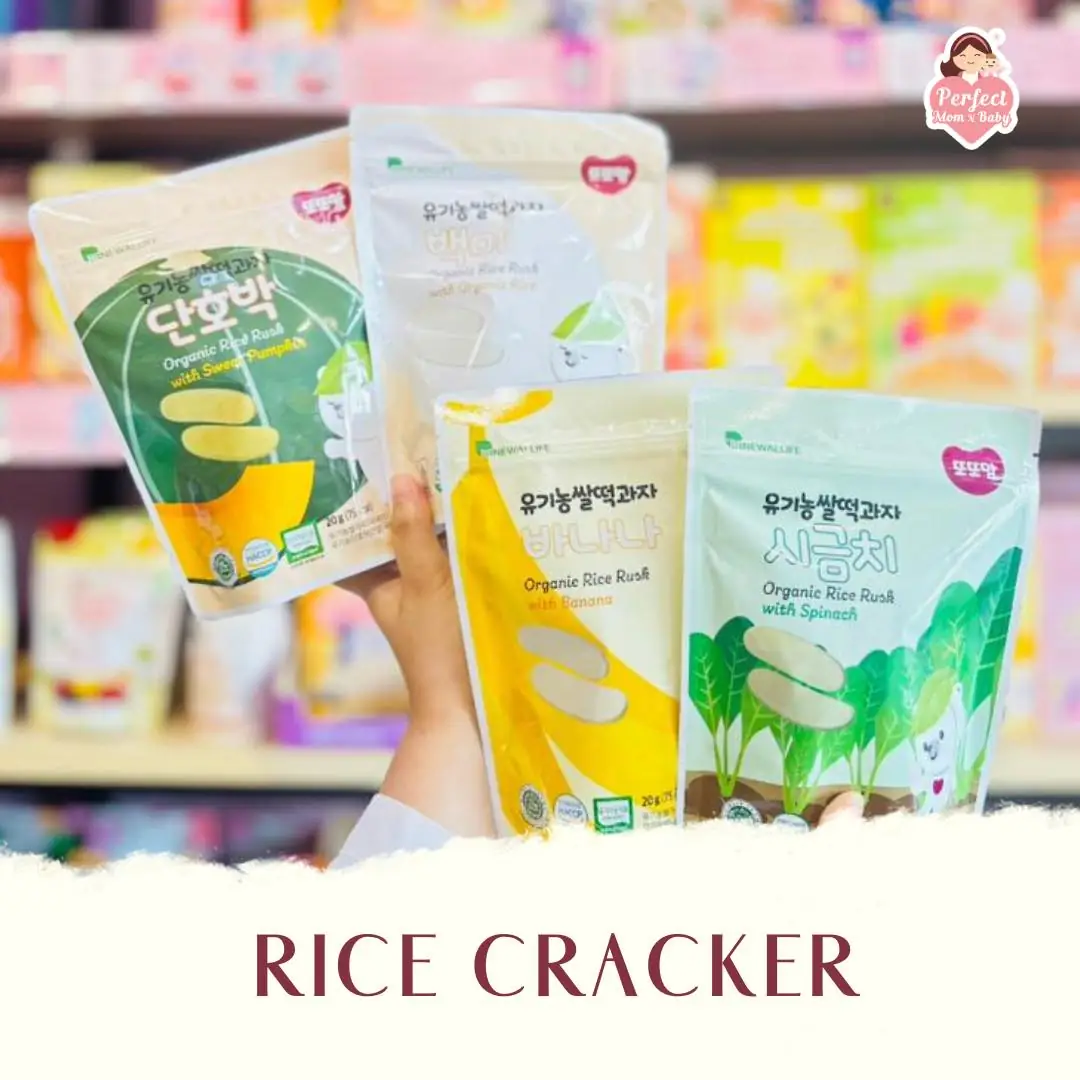
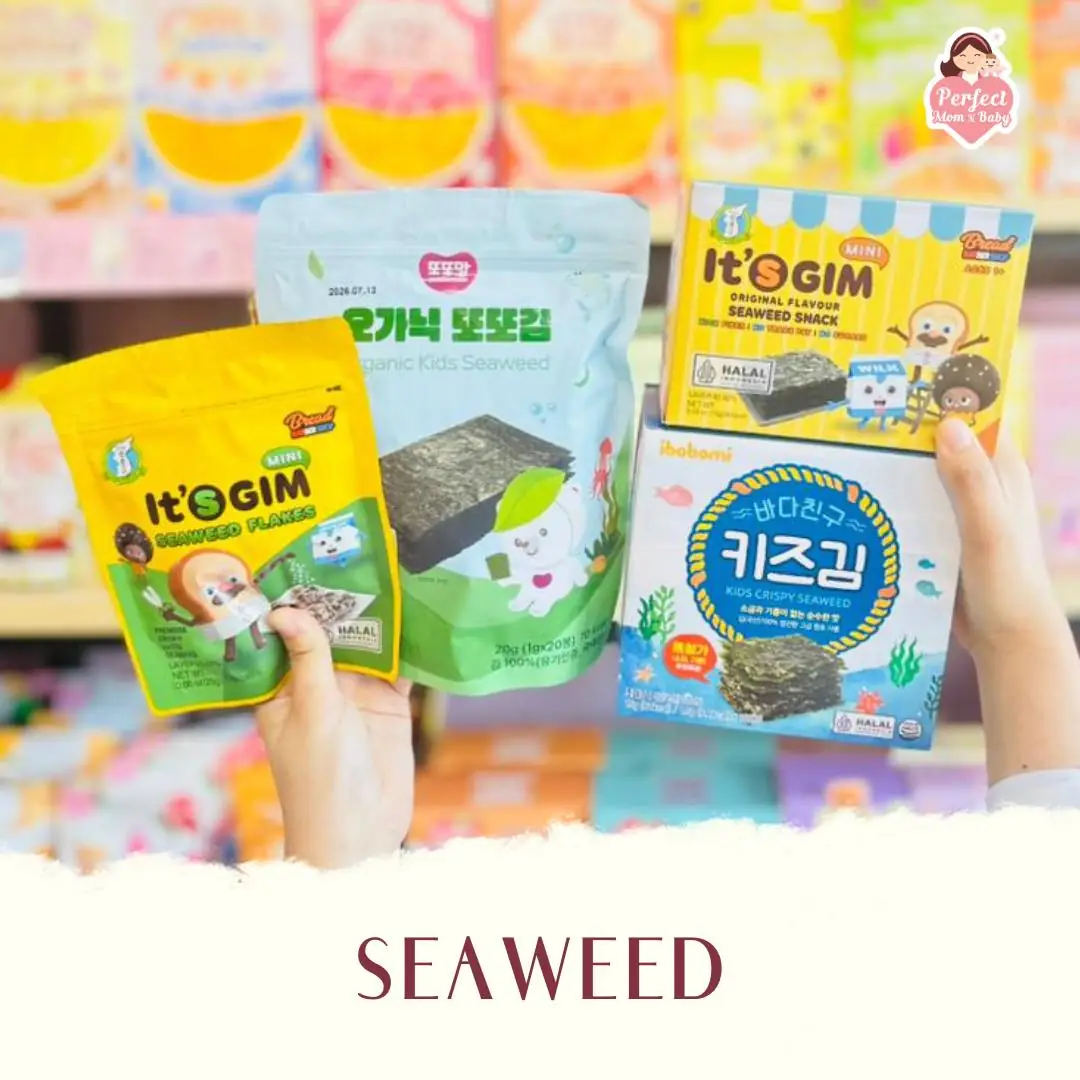
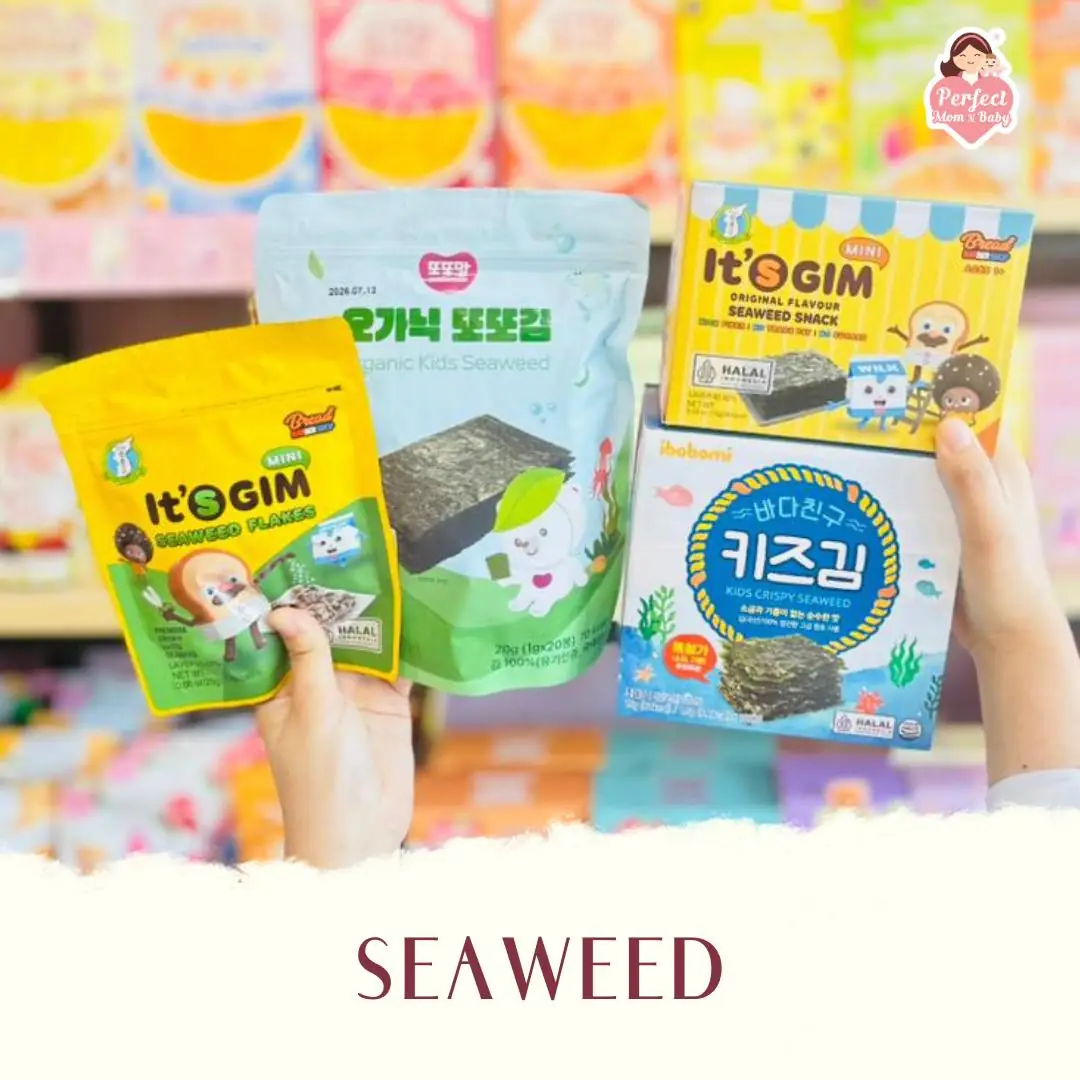
“Showcase ad for a range of organic baby rice cereals”
“UGC ad for no hidden charges, just check the receipt”
By the numbers
Frequently asked questions
When is the 10.10 Sale in 2026, and how long does the food window actually run?
The date is Saturday 10 October 2026, but plan against a fortnight. Shopee ran its 2025 edition as a Brands Festival from 26 September to 13 October, with the peak on the date itself, and Lazada opened its 10.10 Jualan Mega at 8pm on 9 October and closed on 12 October. For a food brand that means a teaser and voucher-collection phase in early October, the heaviest spend across the 9th to the 11th, and a tail through the 13th. The Saturday landing helps: pantry topping-up is weekend behaviour, and delivery slots sell more easily into a weekend. Have content indexed by late August and creative live in the last days of September, because the marketplace run-up starts before the month does.
Is 10.10 worth a food and beverage budget, or should it all wait for 11.11?
It is worth it, for two reasons that compound. First, the auction: Gupta Media put the average Meta CPM at US$8.17 in October 2025, level with the year's average, while November is where costs genuinely jump, so October is the last month a food brand can prospect at ordinary prices. Second, the buyer: a household that stocks its pantry at 10.10 becomes the cheapest possible 11.11 and 12.12 customer, reachable by retargeting when cold reach is at its most expensive. The demand is not speculative either, with Malaysians saving over RM520 million across Shopee's 10.10 in 2025 and homegrown brands recording up to 6X order growth. Spend at 10.10 to make November cheaper, and hold the deeper discount for 11.11 itself.
What food and beverage offers convert best at 10.10 in Malaysia?
Basket-growing mechanics stated as arithmetic. A multipack or carton price that visibly beats buying singly, with the per-unit figure in the creative. A voucher threshold, RM off above a stated spend, placed where one more item clears it. Free shipping above a figure a pantry order reaches easily. A bundle that mixes the bestseller with the slow mover at one honest price. And for anything consumed on a cycle, coffee, tea, sauces, snacks, the stock-up framing itself: the household will finish it anyway, so buying the quarter's supply at the window price is the rational move. Price the bundle honestly, because mega-sale shoppers check, and stock deep enough to hold the offer for the whole fortnight rather than selling out on day three.
How is 10.10 different from selling food at Deepavali or Raya?
The buyer is doing a different job. Festive food buying assembles an occasion: gifts to hand over, a hamper that has to look generous, a table that feeds guests, all with a hard date attached. A 10.10 buyer has no table at the end of the purchase; she is topping up a household, and the decision is cart size rather than occasion-worthiness. That changes the creative brief completely. Festive ads sell atmosphere, generosity and the day itself, while 10.10 ads sell arithmetic: per-unit prices, thresholds, bundle savings. It also changes timing, because festive demand ends on the festival day while stock-up demand spreads across the whole marketplace window. Running a festive-style ad at 10.10 wastes the season's one real advantage, which is that the rational, numbers-led offer is exactly what the shopper came looking for.
What do Meta ads cost in Malaysia in October?
No dated Malaysian CPM benchmark with a disclosed methodology exists, so treat any precise ringgit figure you see with suspicion. What can be cited honestly is the shape of the global curve. Gupta Media's tracker, built on Meta's own delivery data, put the average CPM at US$8.17 in October 2025, fractionally below the year's US$8.19 average and below September's US$8.37, while its 2024 series shows the real climb arriving in November, US$8.94 in October to US$9.61 in November, before Black Friday 2024 hit US$16.85 and Cyber Monday US$17.70. The planning read is that October is calm and November is not. Benchmark your own account's October cost per result against September, and treat that as the only Malaysian number you actually own.
Can my 10.10 ad say a drink or tea is good for health?
Not in outcome terms. Section 17 of the Food Act 1983 and sub-regulation 18(6) of the Food Regulations 1985 apply to advertisements as well as labels, and they prohibit claiming a food prevents, reduces, treats or cures a disease. The Health Ministry has named specific prohibited phrases, including that a product helps lower blood pressure, removes toxins, increases metabolism, controls insulin production or reduces obesity, with penalties up to RM10,000 or two years. Functional drinks, teas and tonics are exactly where 10.10 carts and this law meet, so describe the product, its ingredients and its taste rather than a medical result. Halal claims are separate again: only JAKIM or a state religious authority certifies halal, and an ad may claim it only on a certification actually held.
Do cafes and restaurants have a 10.10 play, or is this only for packaged food?
The stock-up mechanics belong to packaged food and grocery, but dining is not shut out, it just plays a different game. A cafe or restaurant cannot sell a carton, so it sells the visit: a member price the way Hot & Roll runs 25% off for members on Mondays, a set or combo pinned to the sale window, a delivery-platform voucher that rides the fortnight's traffic, or simply the appetite ad, the dish filmed well, that converts weekend intent into a booking. The honest advice is about weighting rather than exclusion. The October auction is cheap for everyone, so a dining brand should spend into it too, but the fortnight's traffic surge concentrates on the marketplaces, and that is where the packaged half of the category does its heaviest business.
Are the food ads shown on this page running for 10.10 right now?
No. They are representative angles from real Malaysian food and beverage advertisers, collected to show the structures the category builds on: where the price sits in the frame, how a snack box is framed for sharing, how a staple states its callout, how a no-hidden-charges promise becomes the creative itself. Read them for structure and adapt the mechanics to a stock-up window rather than copying any single ad. How long an ad ran in a public archive is a scraping artefact, never evidence it performed, so do not read longevity as proof. For what is live at this moment, Meta's own Ad Library lists a page's current ads.
Sources
- 1.Media OutReach Newswire, Malaysians Shop Local and Save RM520 Million During Shopee 10.10, as Homegrown Brands Record 6X Order Growth (2025)
- 2.Media OutReach Newswire, Celebrate 10.10 Shopee Brands Festival with Daily Brand Spotlights, Lagi Murah deals, and Lagi Cepat delivery (2025)
- 3.EverydayOnSales, Lazada Malaysia 10.10 Jualan Mega, 9 to 12 October 2025 (2025)
- 4.Gupta Media, The True Cost of Social Media Ads (CPM tracker) (2025)
- 5.Malay Mail, Health Ministry warns against misleading advertisement of food products (2019)
- 6.DataReportal, Digital 2026: Malaysia (2026)
Keep exploring
Turn ad research into winning ads
See what 16,000 Malaysian brands advertise, then generate on-brand creative, all in one tool.
7-day free trial · No credit card required