
Deepavali Food and Beverage Ads in Malaysia (2026)
How Malaysian food and beverage brands plan Deepavali on 8 November 2026: the buy-ahead window before the day, the hamper, gift-with-purchase and catering offers that suit a festival, what the November auction really costs, the halal and health-claim rules, and how to sequence it all against 11.11 three days later.
Updated July 2026 · Xanny Lee, CEO
Deepavali falls on Sunday 8 November 2026, with a substitute public holiday on Monday 9 November in every state except Kedah, Kelantan, Sarawak and Terengganu, which puts it three days before 11.11 on Wednesday 11 November. For food and beverage that means the buying happens ahead of the day rather than on it: sweets, hampers, pantry staples and open-house catering all have to be in the house before the lamps go on, which is why Billion ran its 2025 Deepavali grocery promotion from 9 to 26 October, eleven days before the festival through to six days after it. Sell the occasion rather than the discount, run the festive offer across the last week of October and the first week of November, and keep 11.11 as a separate and deeper offer instead of an extension of the same price.
Nobody waits for Deepavali the way they wait for a mega-sale. A Malaysian household preparing for 8 November 2026 is working through a list with a deadline on it: sweets to give and to serve, a hamper that has to look generous, groceries for a table that will feed whoever walks in, and a booking somewhere for the one night nobody wants to cook. None of that is voucher hunting, and a food ad that treats it as a sale with a lamp drawn on the corner will be read exactly that way. What complicates 2026 is the calendar. The festival lands on a Sunday, the substitute holiday on the Monday, and 11.11 on the Wednesday, so the festive week and the biggest marketplace sale of the quarter share one feed and one budget. This page takes the food and beverage view: when the buying actually happens, which offers suit an occasion, what the auction costs and what nobody can honestly tell you about it, the formats that carry it, and how to plan backwards from the day.
The ramp: buy-ahead weeks, then a three-day collision
The fixed point is Sunday 8 November 2026. Monday 9 November is the substitute public holiday, taken everywhere except Kedah, Kelantan, Sarawak and Terengganu, and Sarawak does not gazette the festival day itself. Food demand does not sit on that date. It sits in the weeks in front of it, because sweets, hampers, pantry staples and the ingredients for an open house all have to be in the house before the lamps are lit. Malaysian grocers already plan to that shape. Billion ran its Deepavali promotion from 9 to 26 October 2025, eighteen days across household goods, food, drinks, kitchenware, cleaning supplies and pantry staples, opening eleven days ahead of the festival and closing six days after it. Map the same shape onto 2026 and your window runs from roughly the last week of October into the middle of November. Then look at what sits on the far side of it. Lazada Malaysia ran its 11.11 from 10 to 13 November 2025, opening at 8pm on 10 November. In 2026 that build lands directly on top of Deepavali week: Sunday the 8th, Monday the 9th, Tuesday the 10th, Wednesday the 11th, in that order. Brief in September, approve the festive creative by mid-October, and be live before the mega-sale advertisers arrive.
What a Deepavali food buyer is actually shopping for
A Deepavali food order is a list before it is a bargain. The shopper is assembling a day: sweets to give and to serve, a hamper for the office and for the in-laws, a table that has to feed relatives who arrive without warning, and often a restaurant booking because nobody wants to cook on the third day of open house. Four offer structures suit that job better than a flat percentage. The gift-with-purchase threshold works because she is buying anyway and a festive tin is a gift she does not have to wrap, the structure Puck Malaysia uses when it asks for RM20 of spend and hands back a cookie canister. The hamper or gift set needs a stated ringgit price and a visible contents list, because the real decision is whether it looks generous enough to hand over. The catering and delivered-buffet offer, the angle Canton2go takes with a mini buffet to your doorstep, sells the open house itself rather than a dish. And the pantry stock-up sells the preparation: a jarred sambal from Sambal Kak Faa, the kopi range Kluang Coffee Cap Televisyen frames as a kopitiam at home, frozen prawns of the kind HS Food & Fishery packs for cooking ahead. Restaurants have their own version, a set menu at a fixed price, a spend threshold like the one Raito Izakaya runs, a celebration booking priced from a stated figure the way Regno KL does it, while grocers such as Village Grocer carry the whole basket. Sell the occasion, and let the price be a fact rather than the headline.
What November costs, and how to pace the spend
Food margins are thin enough that the price of an impression decides the plan, which makes it worth stating plainly that the Malaysian number does not exist. No dated Facebook or Instagram CPM benchmark for Malaysia has been published by anyone disclosing a sample size, a data period or a collection method, and the ranges circulating on local agency websites are quoted prices on their own service pages rather than measurements. What does exist is the shape of the curve in two datasets that state their geography. Superads' benchmark, a global aggregate across 21 named countries that does not include Malaysia, put Facebook CPM at a November 2025 peak of US$24.26, roughly 28.7% above its July 2025 level, against a median of US$20.59 across the thirteen months to July 2026. Its United States only series, built on more than US$3 billion of Facebook spend, peaked higher at US$27.47 in the same month and ran about 13.8% above that global median. One is a global aggregate, the other is American, and neither should be converted into a Malaysian average. Treat the November climb as directional, and treat your own account's November cost per result against September as the only Malaysian number you actually hold. The pacing decision follows from the calendar rather than the benchmark. Every result Lazada Malaysia published from its 11.11 in 2025 was an average-order-value or conversion figure, and the categories were smart devices, computers, gaming and prestige beauty. None of it was food, sweets or gifting. Deepavali demand and 11.11 demand are different demand, so spend the festive food budget across the last week of October and the first week of November, and hold only a retargeting slice for the 10th and 11th.
The creative that carries a festival, not a sale
A festival is easier to get wrong visually than a sale is. The lamp, the kolam and the prayer are not decoration for a discount badge, and an ad that uses them that way reads as borrowed rather than respectful, which is precisely the impression a food brand cannot afford when it is asking to be on someone's table. Build the creative around the food and the table instead. Carousel does the most work in this category, because a hamper needs its contents shown frame by frame, a set menu needs its courses, and an open-house spread needs more than one plate, which is how the restaurants and grocers in this category already present a range. A single static carries the price card and the gift-with-purchase threshold, where the ringgit figure and the redemption rule have to be legible in the half-second a thumb gives them, and where the sale duration has to appear on the ad itself under the cheap-sale rules. Short vertical video of ten to fifteen seconds carries the making and the eating: sweets coming out of the pan, a jar shown over the dish it produces, a customer saying the box was worth ordering. Dynamic product ads handle the tail after the holiday, while the open-house cooking is still going. Cut everything to 9:16 and to 4:5 or 1:1, keep three to five variants live per ad set so a three-week window does not fatigue one hero file, and if you run a Tamil line, have a native speaker write it rather than a translation tool.
Your Deepavali food and beverage checklist
Work backwards from Sunday 8 November 2026. In September, lock what you can fulfil: hamper stock, courier cut-offs for gifts that must land before the day, kitchen capacity for catering orders, and the substantiation file behind every claim on the pack. Halal is certified only by JAKIM or a state religious authority, and vegetarian, vegan and halal are three separate claims on three separate bases, which matters here because so much festive food is vegetarian. Decide which one you can defend before it reaches a creative. By mid-October, approve the artwork and check the discount mechanics: one cheap sale price may run for a maximum of 31 days, a sale longer than three days needs written notice to the Controller of Trade Descriptions no later than the day before it starts, the advertisement must state the sale duration, and extending a sale means re-notifying and going deeper. That rules out one flat price held from Deepavali through 11.11 at the same depth, so plan them as two offers. Go live in the last week of October, weight the spend across the first week of November, and on 8 and 9 November switch the message from buy-ahead to open house, dine-in and same-day delivery. Exclude Sarawak from holiday-specific copy, and remember the Monday substitute does not apply in Kedah, Kelantan or Terengganu either. Before the brief, go and look at last year. The free Meta Ad Library lists what a page has live right now, and a searchable archive of Malaysian food and beverage ads, such as AdPlay.ai, covers the earlier festive windows by brand and by offer type.
Example ad angles
Representative hooks and formats from the category.
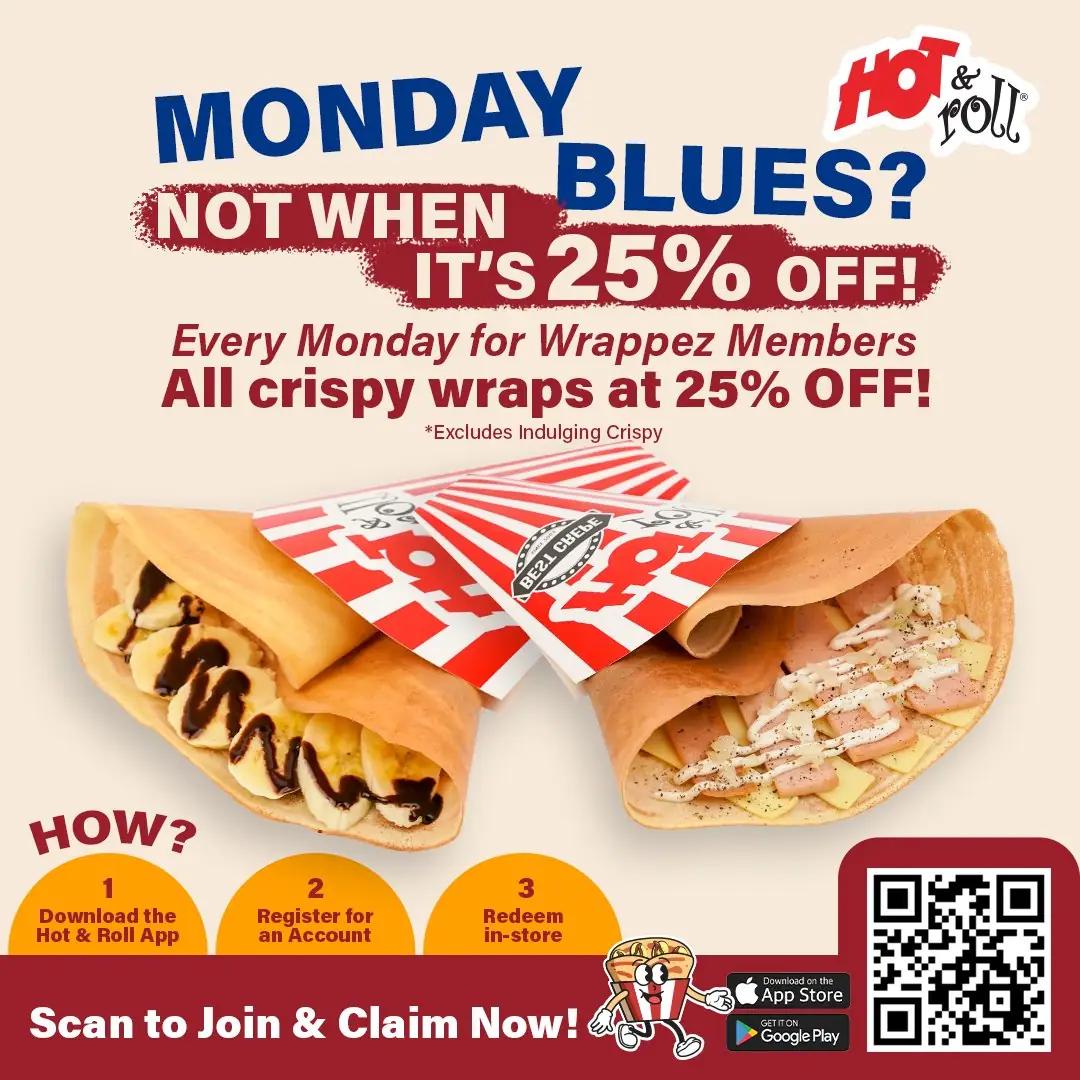
“Discount ad: 25% off crispy wraps every Monday for members”
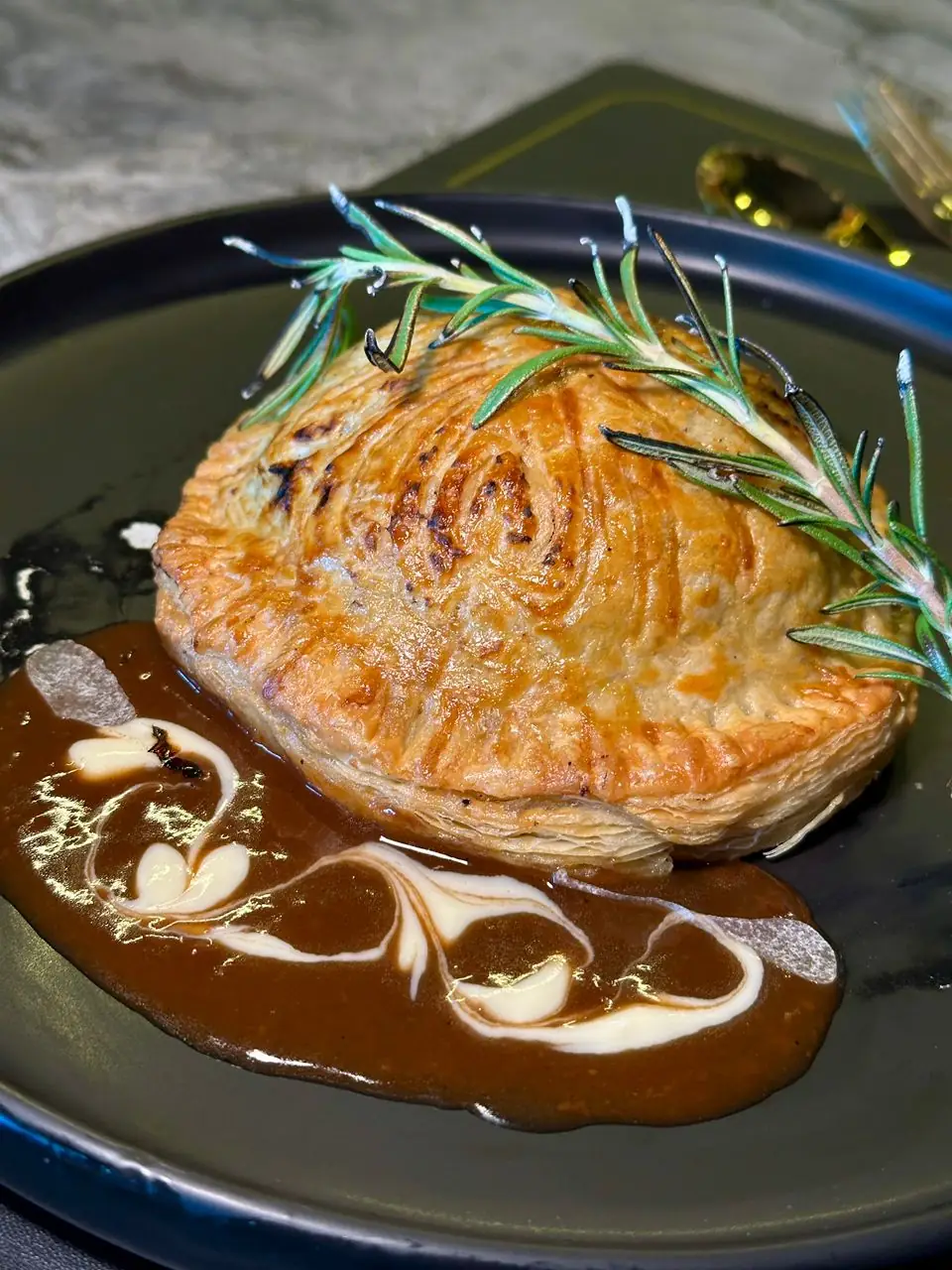
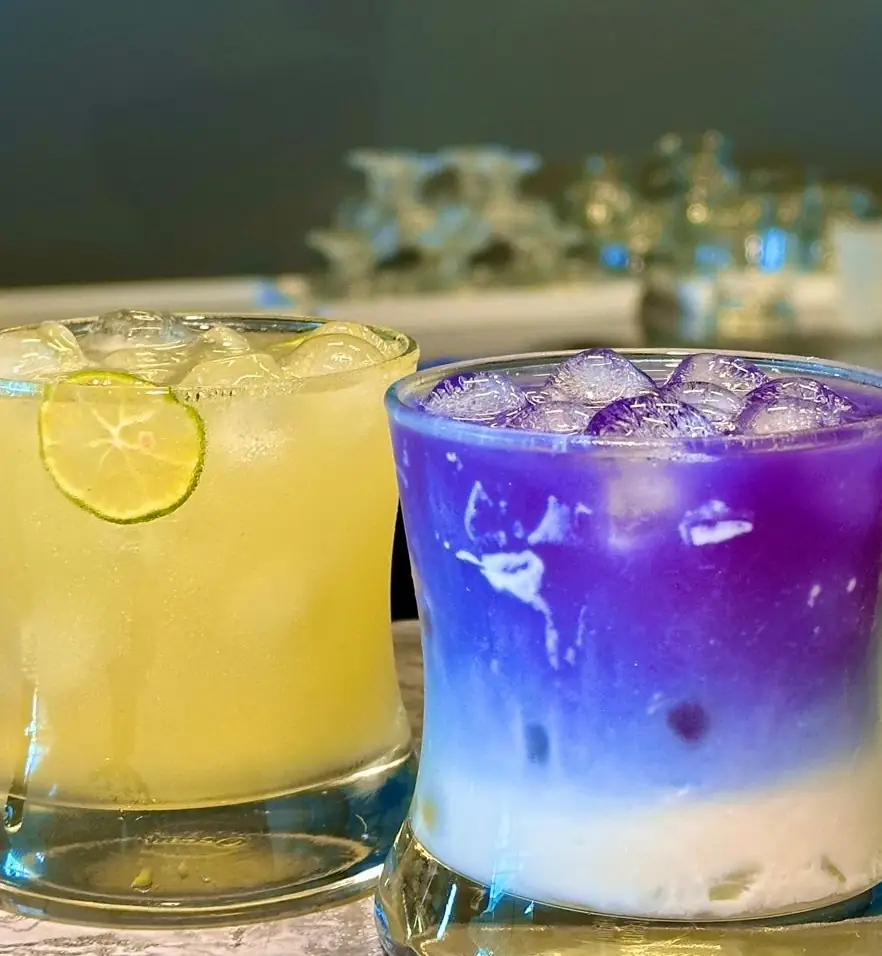
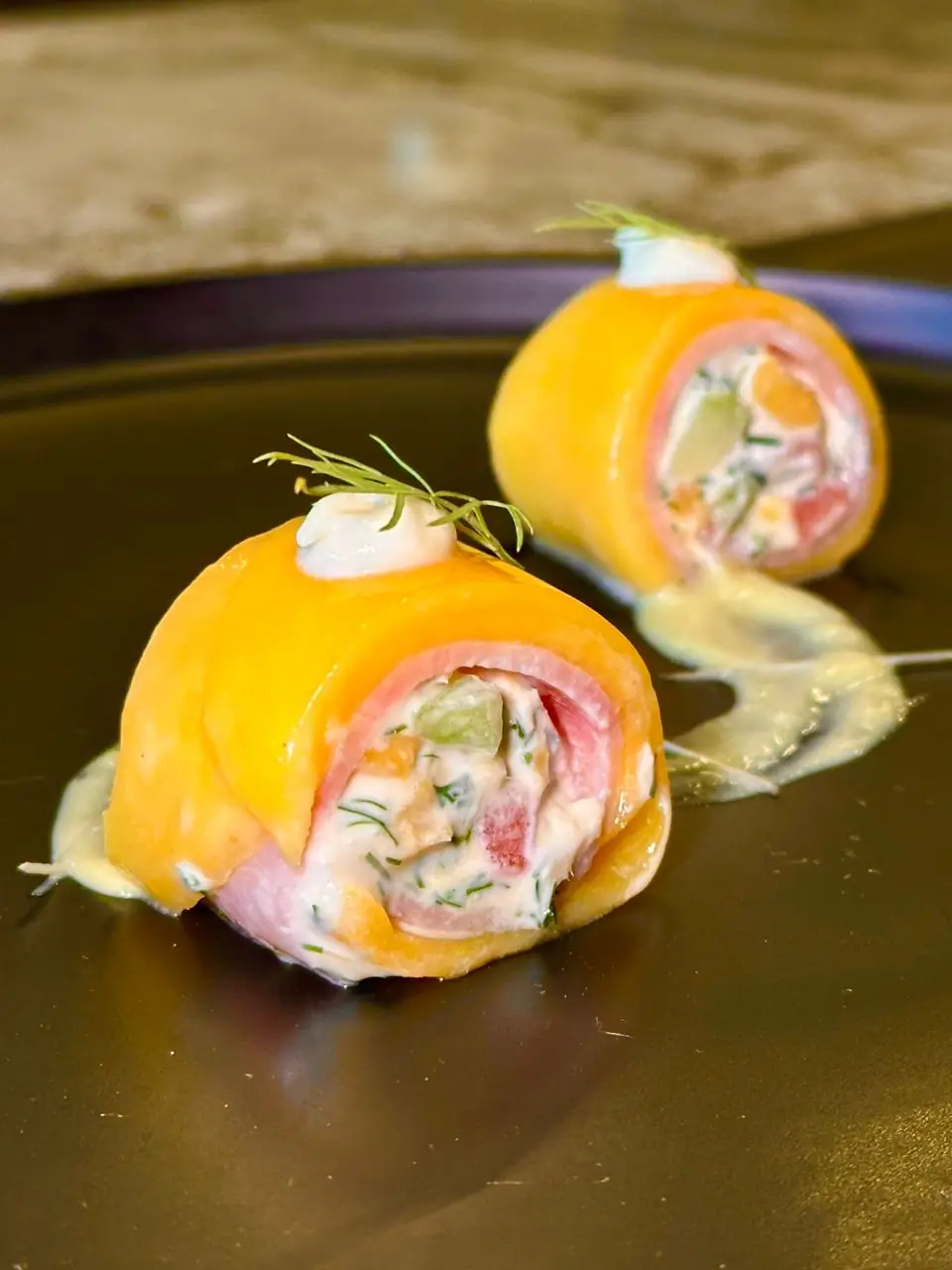
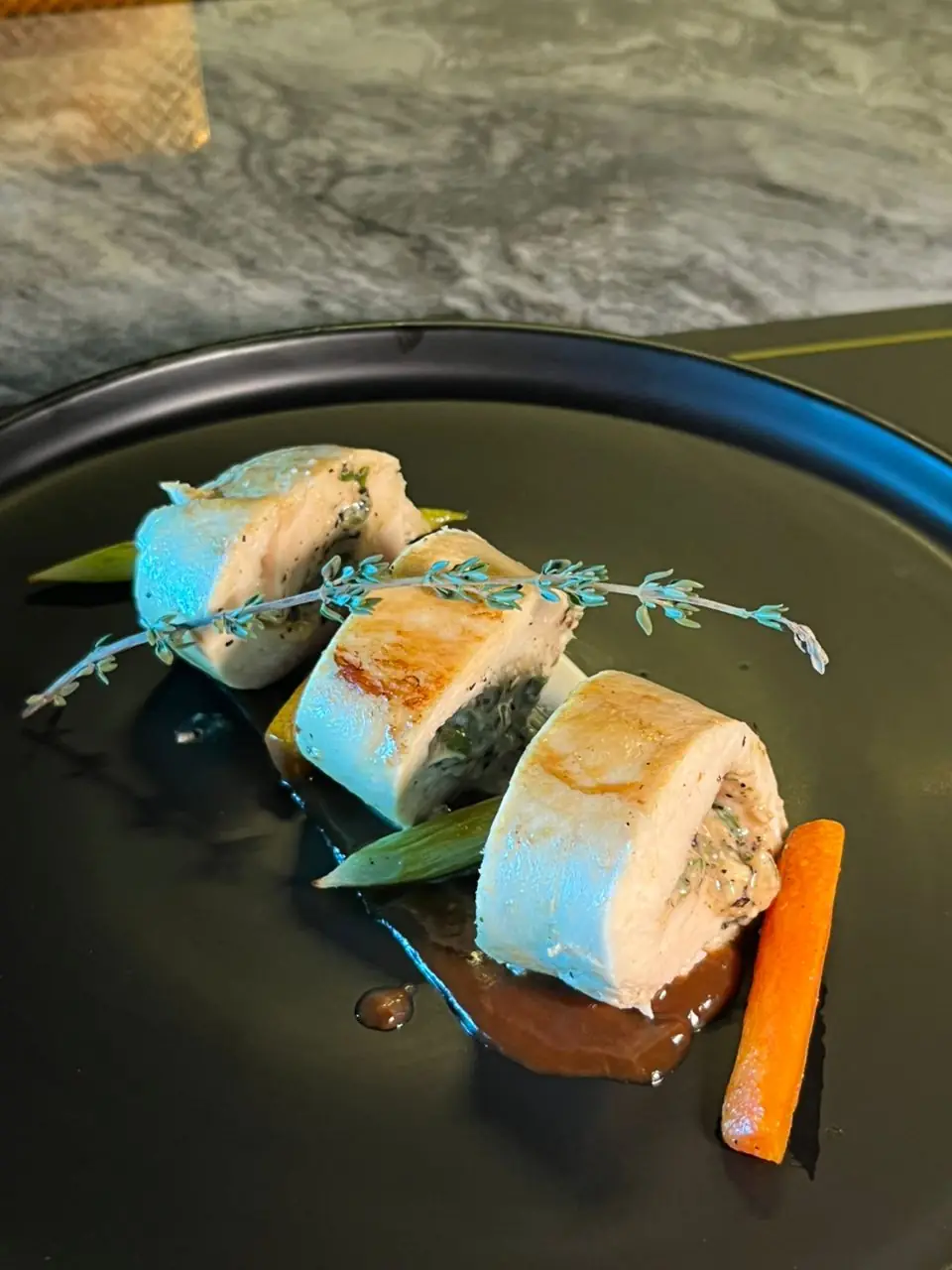
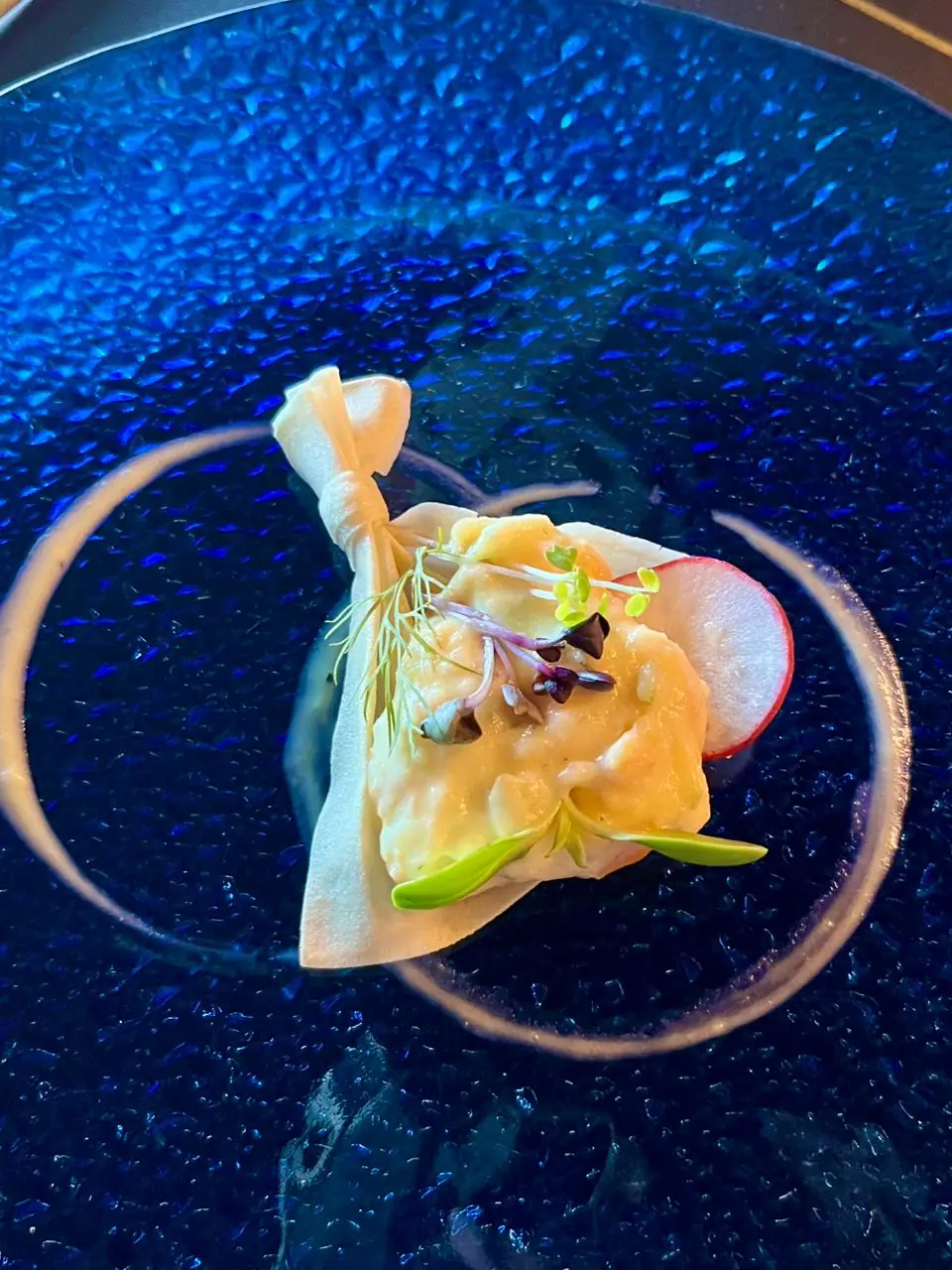
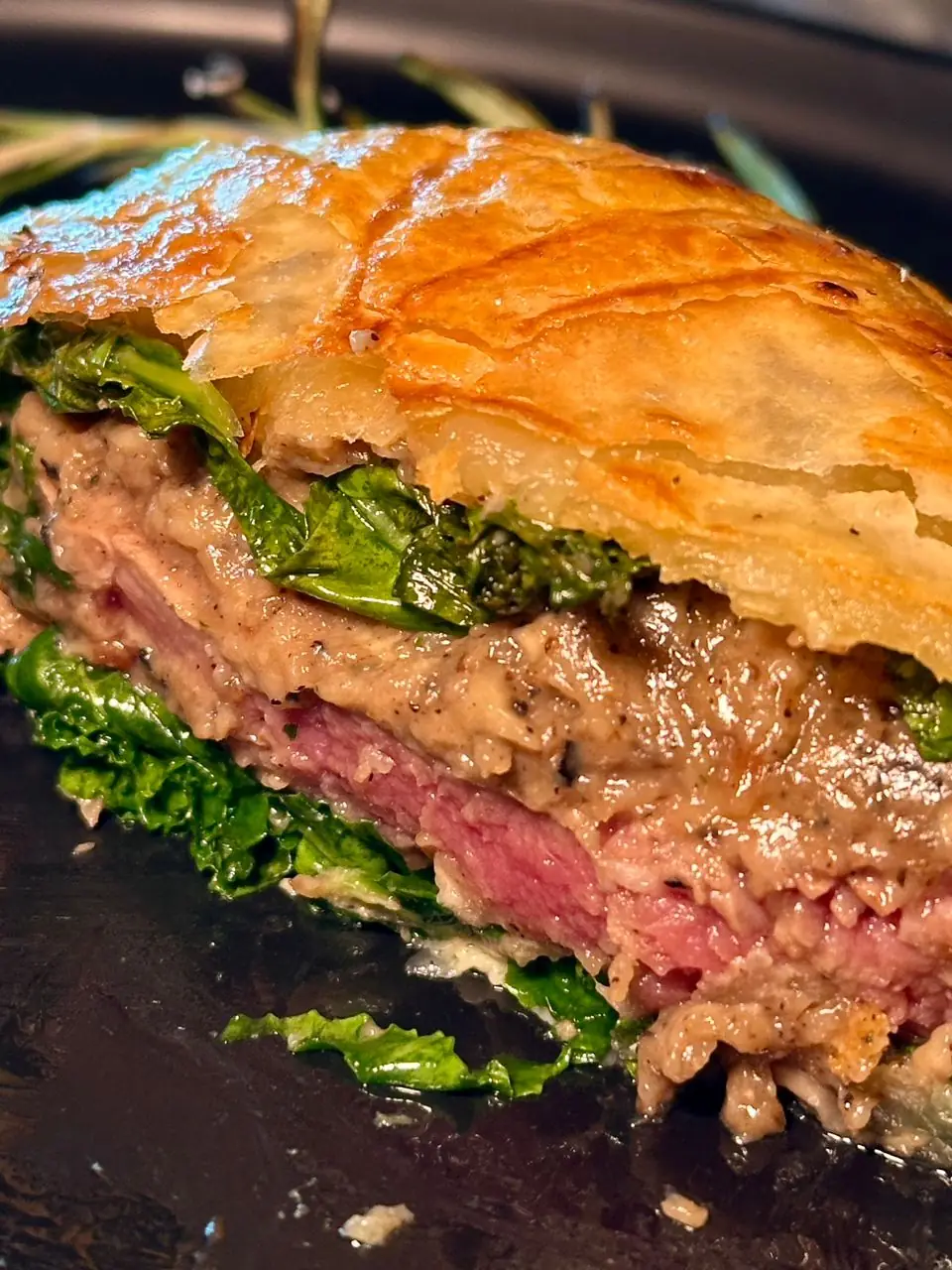
“Showcase ad for a golden beef Wellington in glossy sauce”

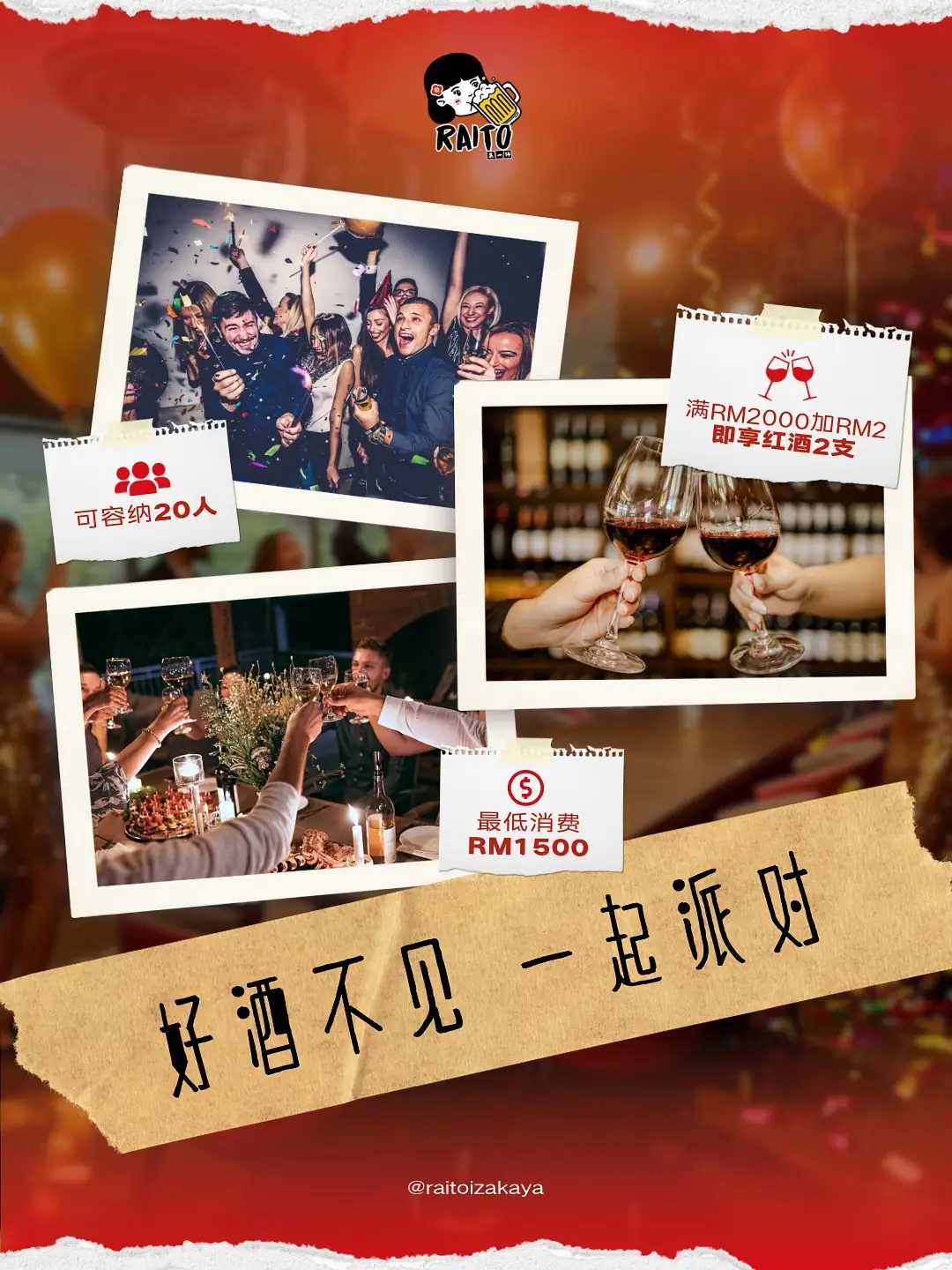
“Discount ad: spend RM2,000 plus RM2, get two bottles of wine”

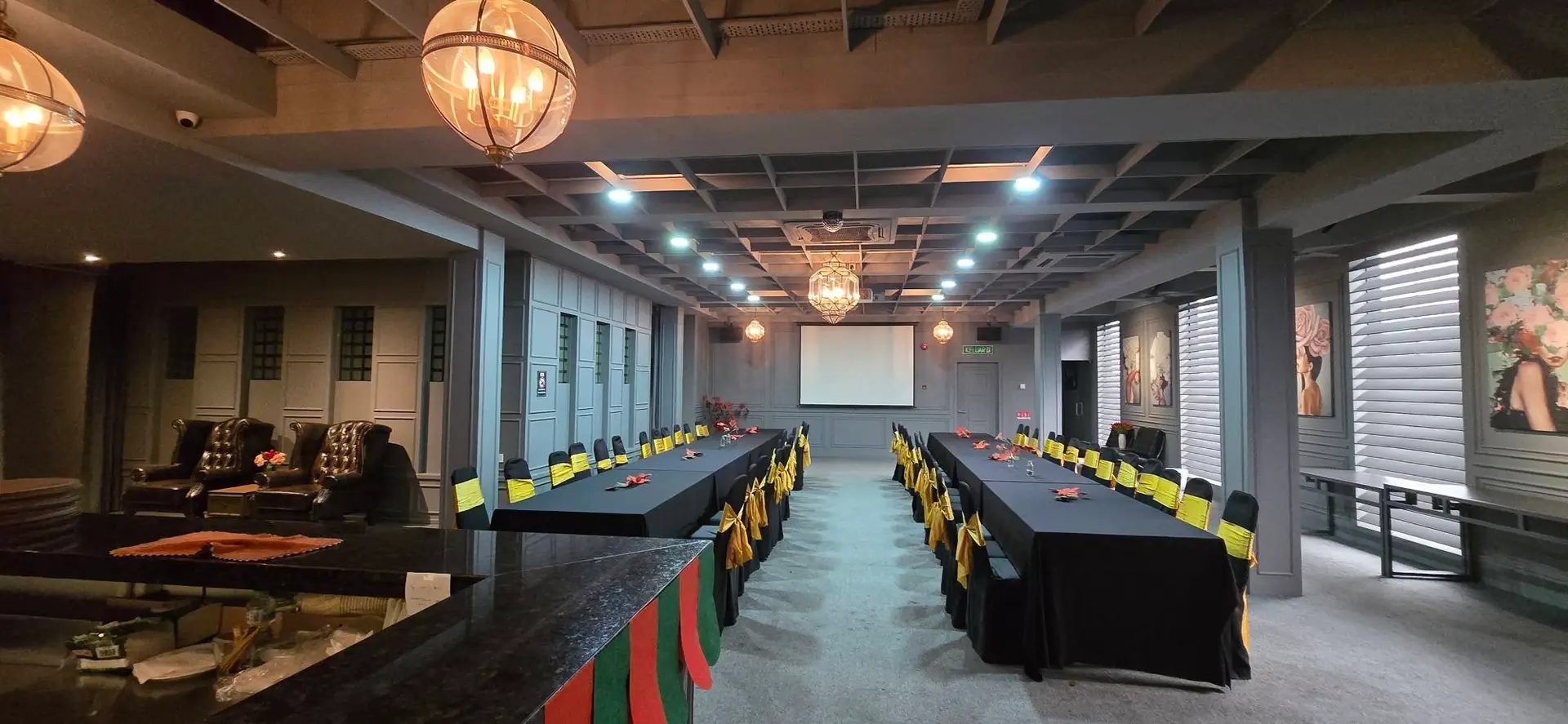
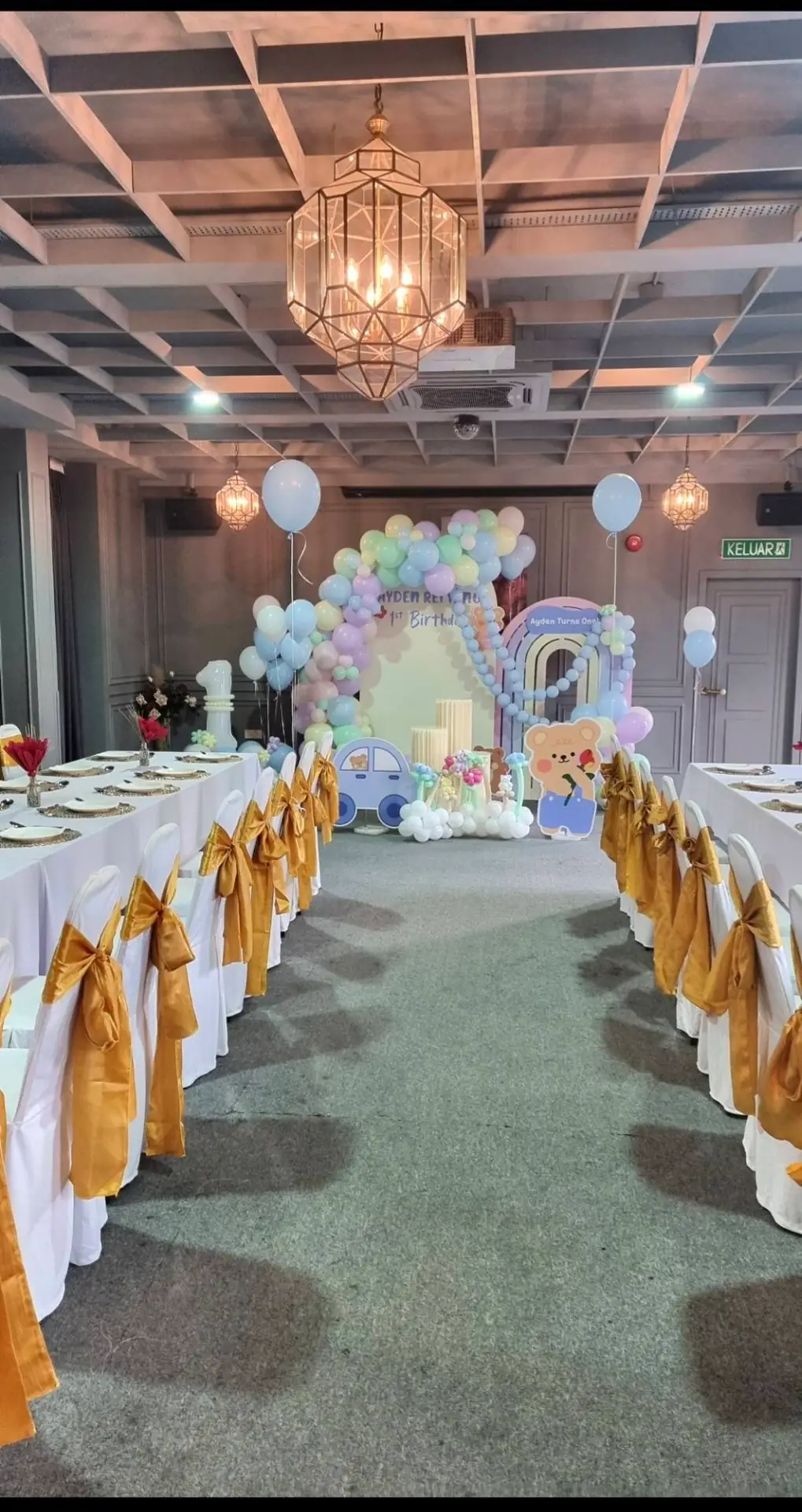
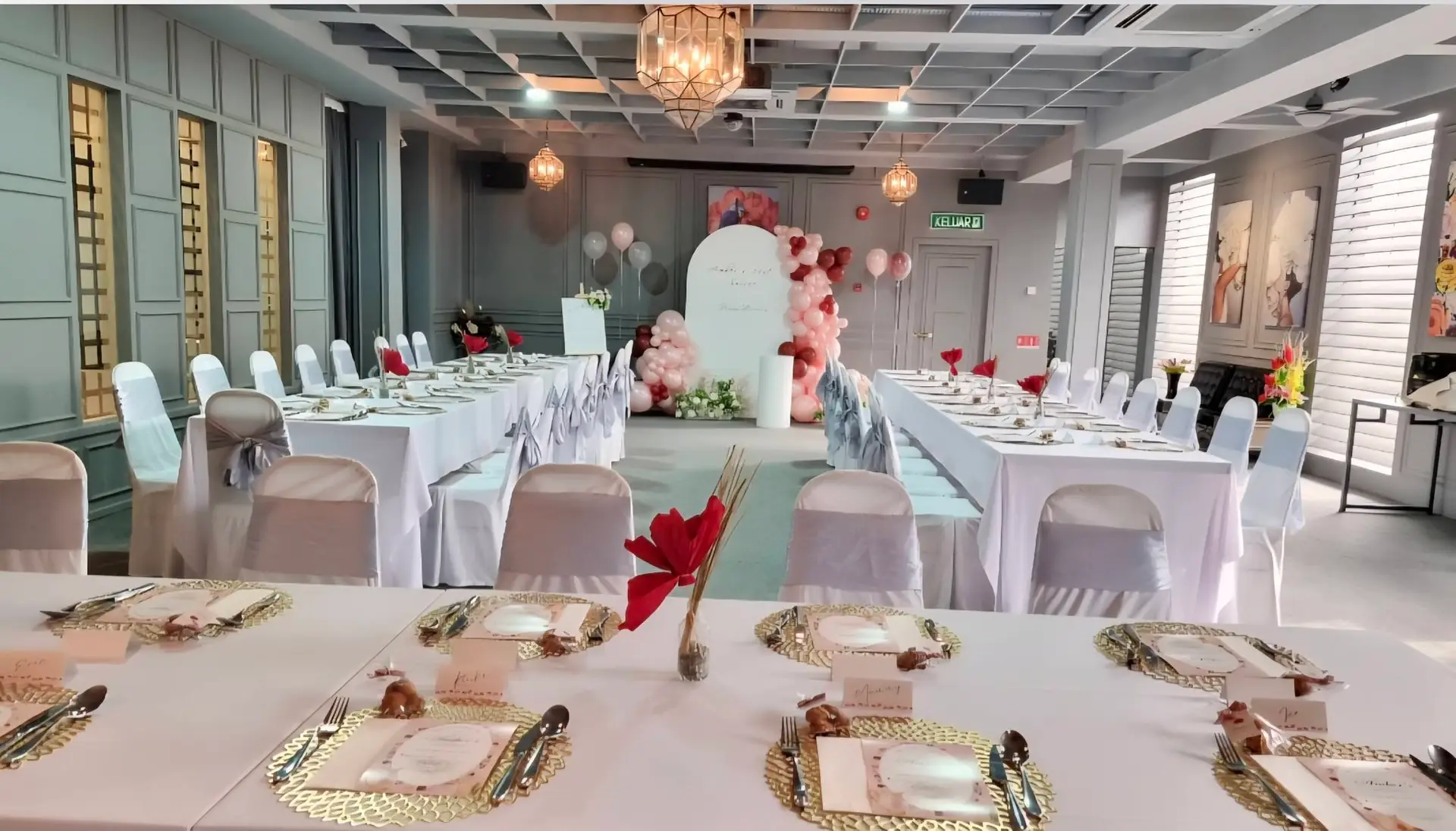
“Discount ad: celebrate birthdays and weddings from RM4,300”
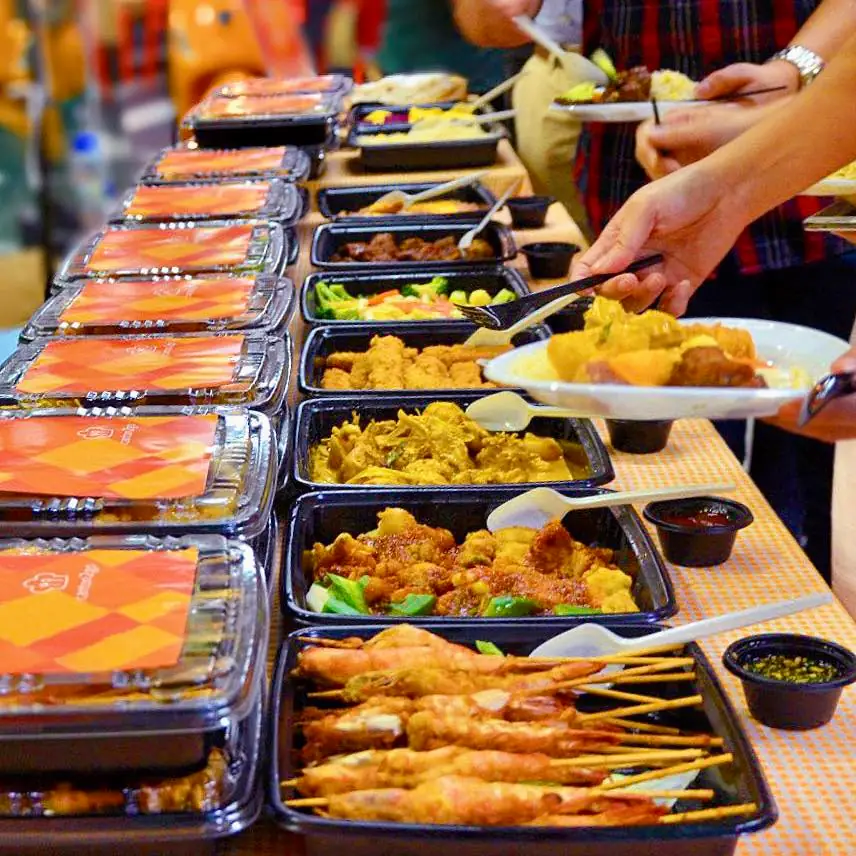
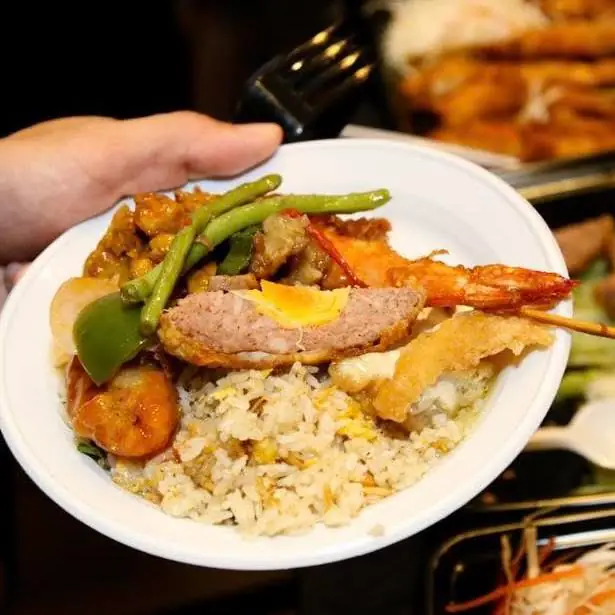
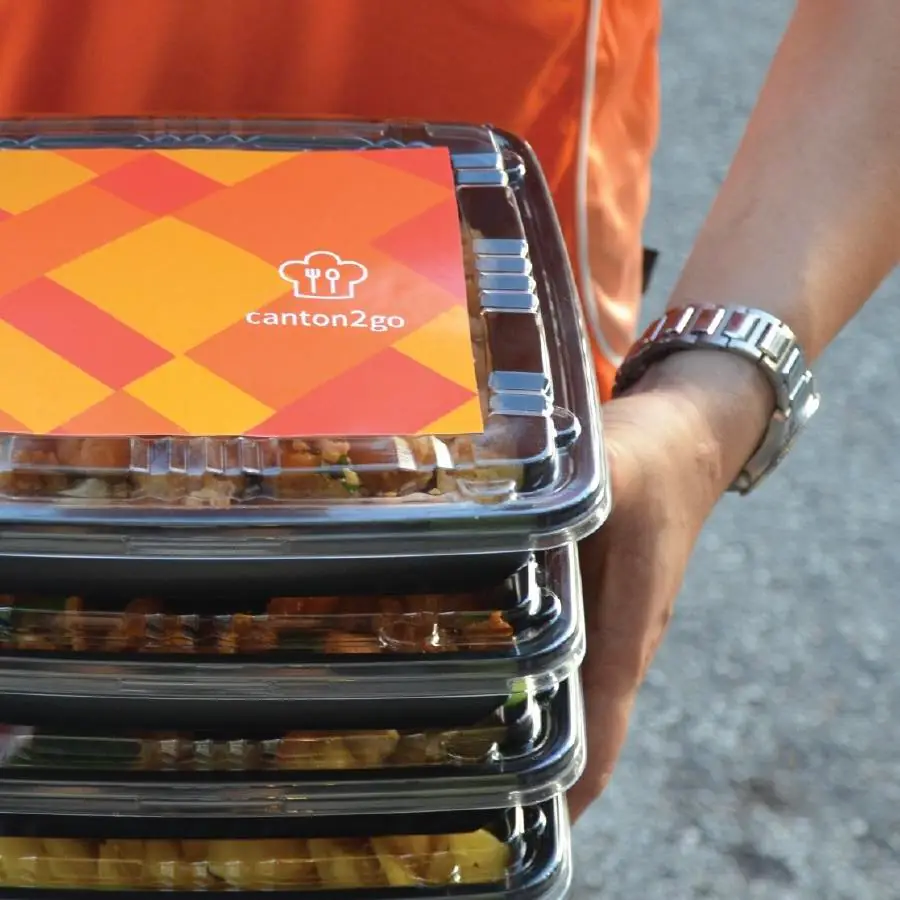
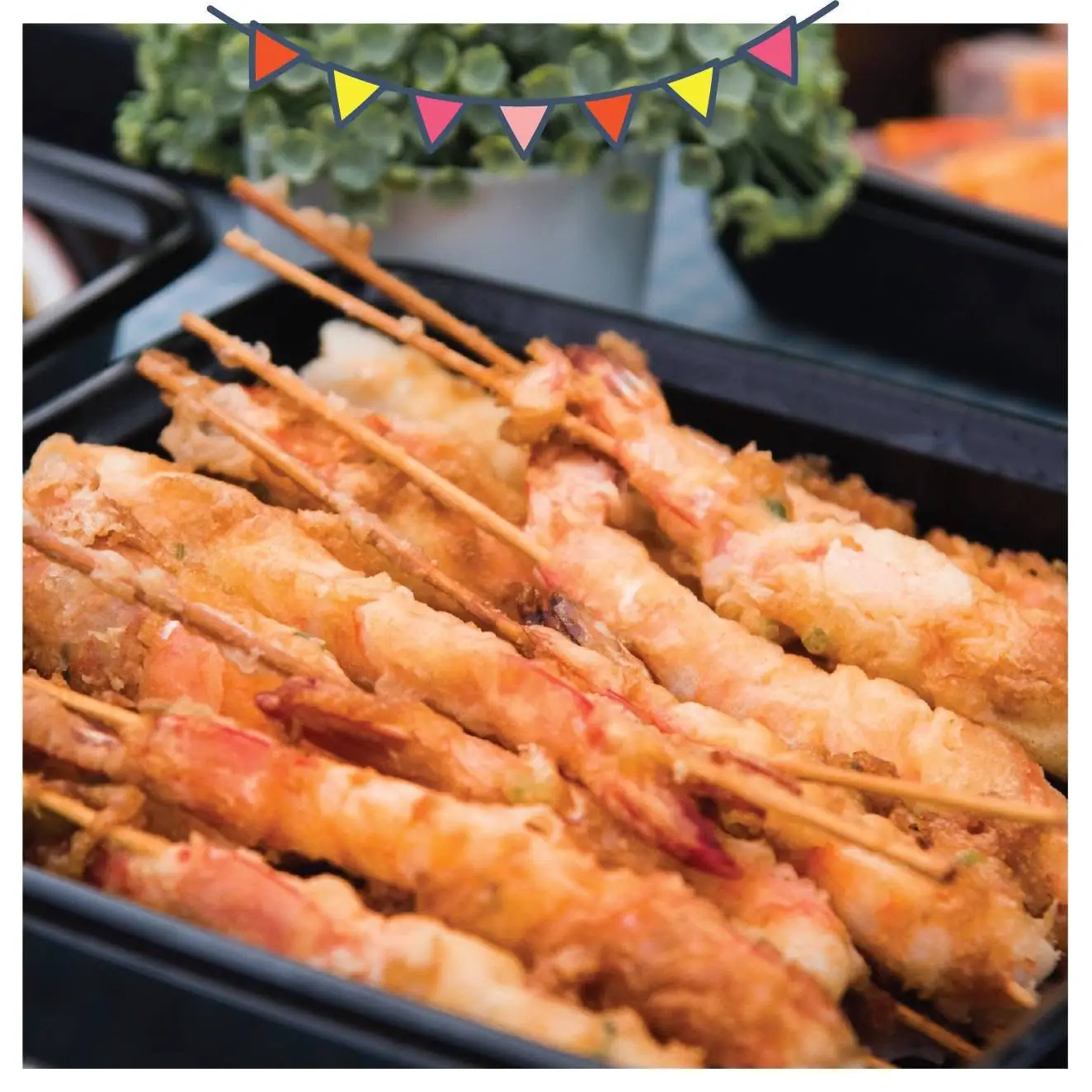
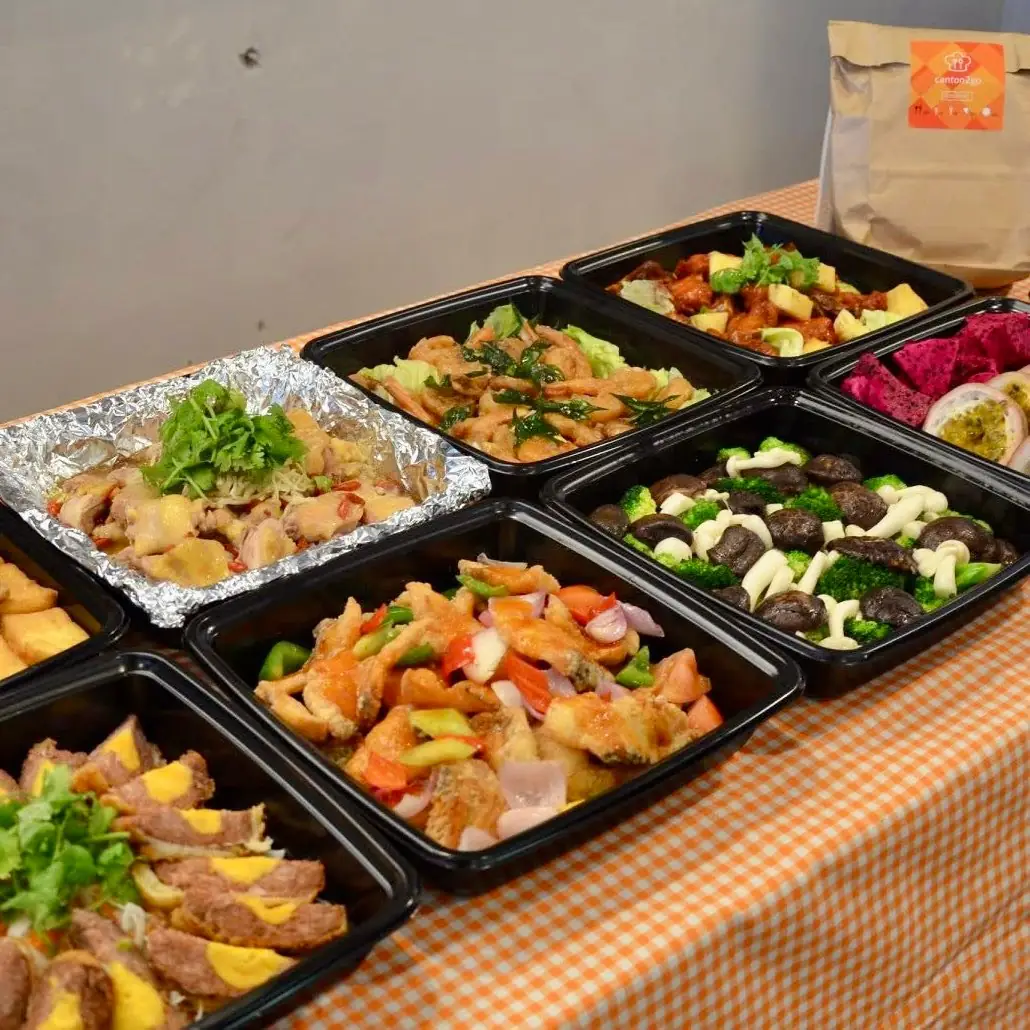
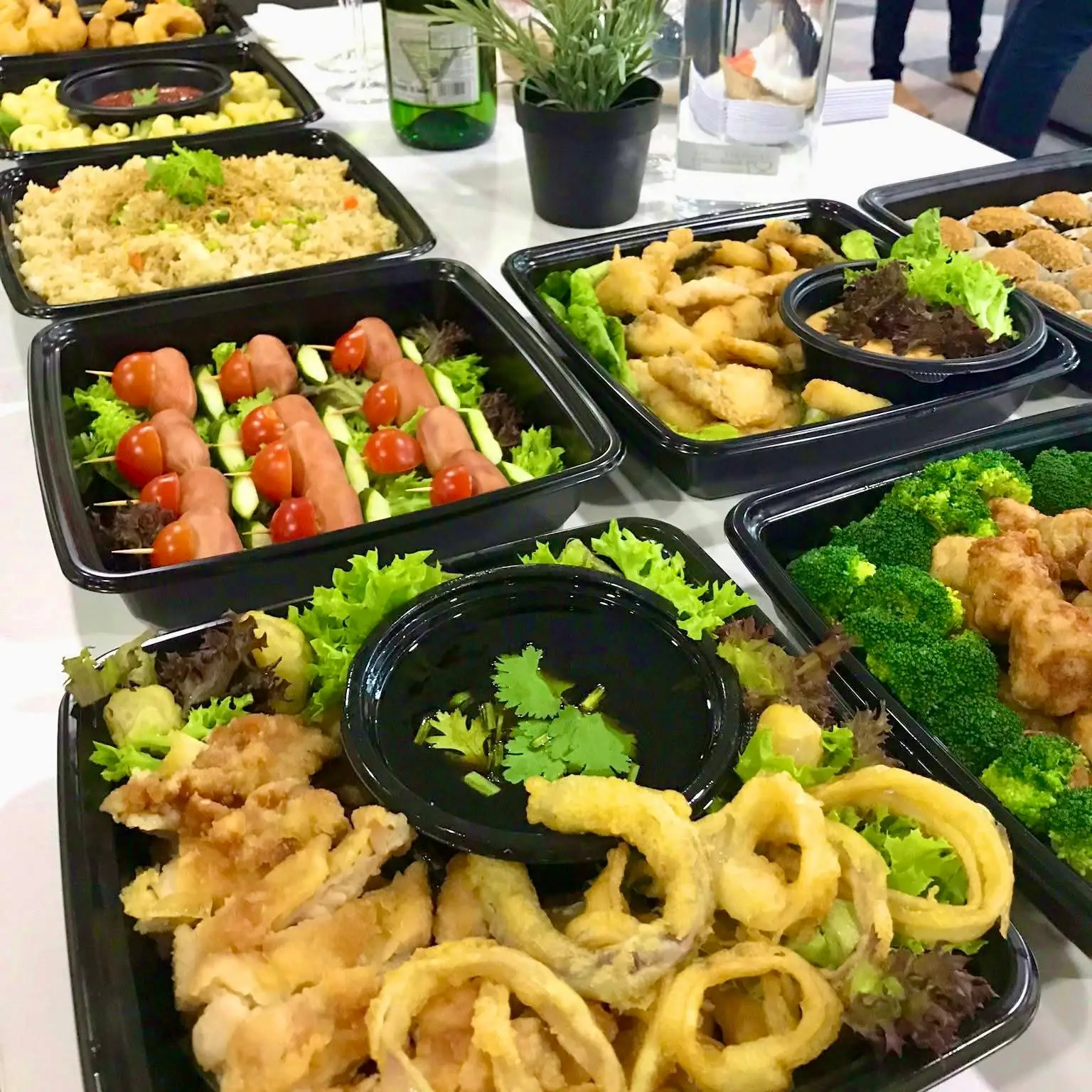
“Showcase ad for a mini buffet delivered to your doorstep”
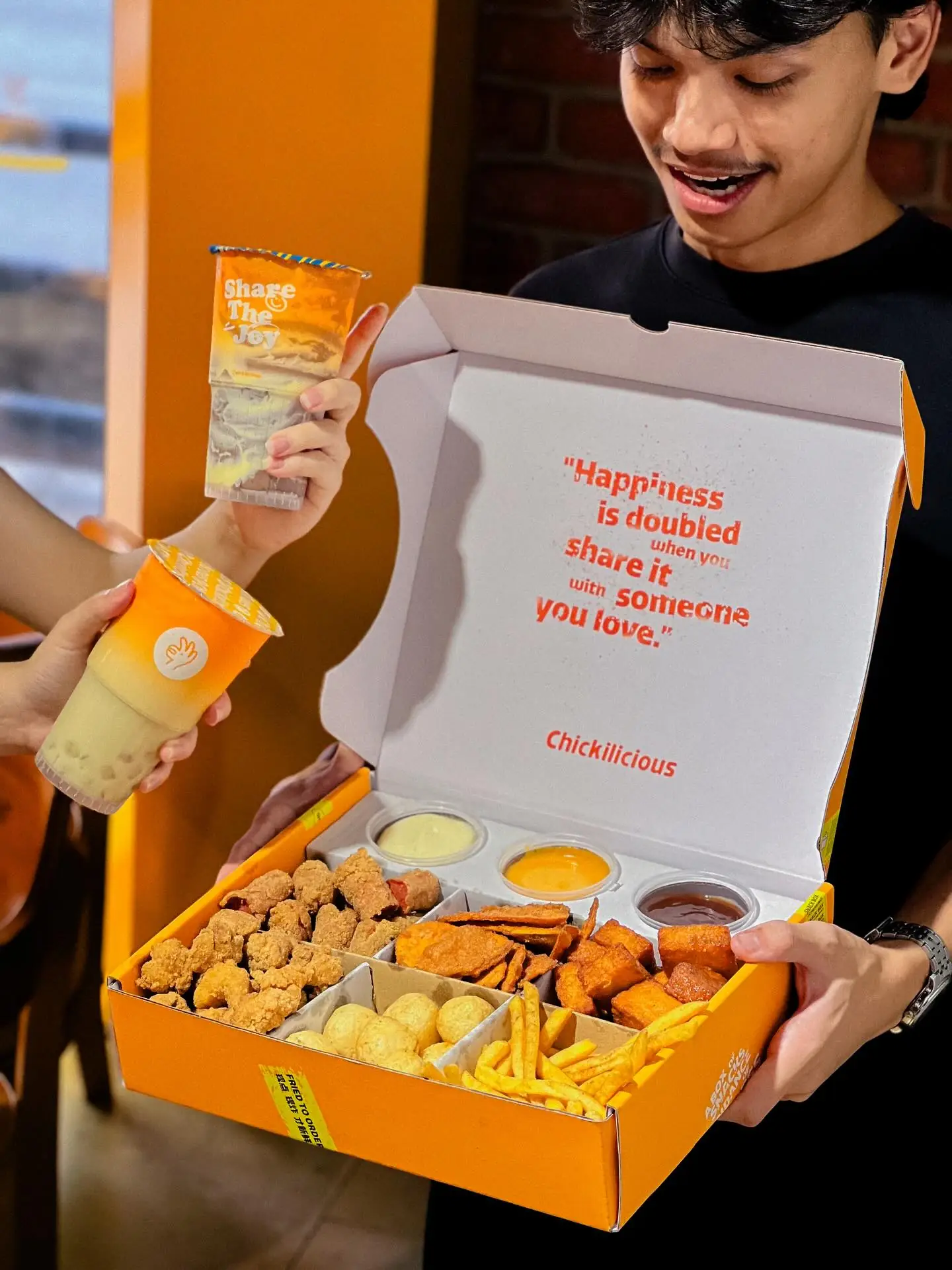
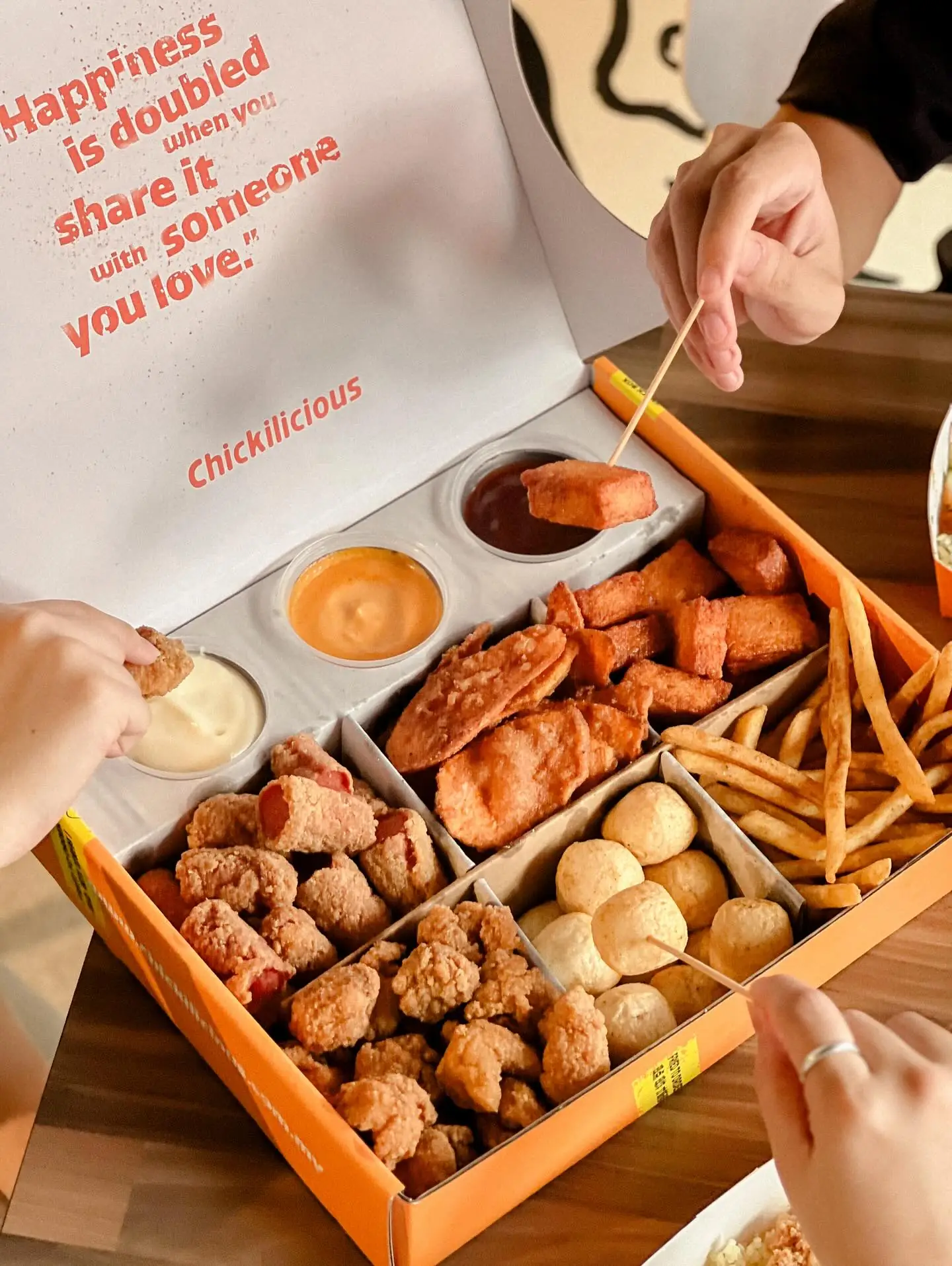
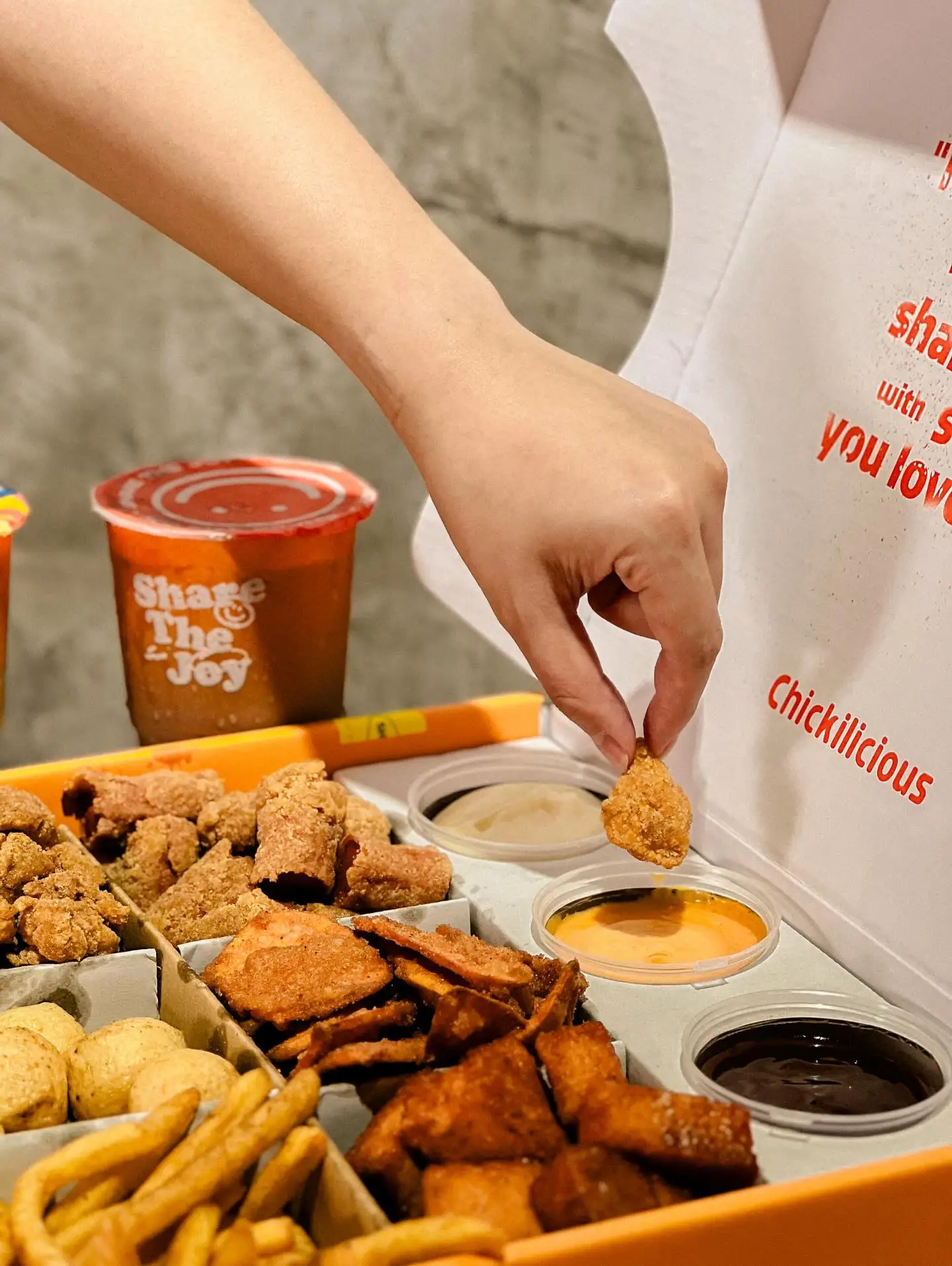
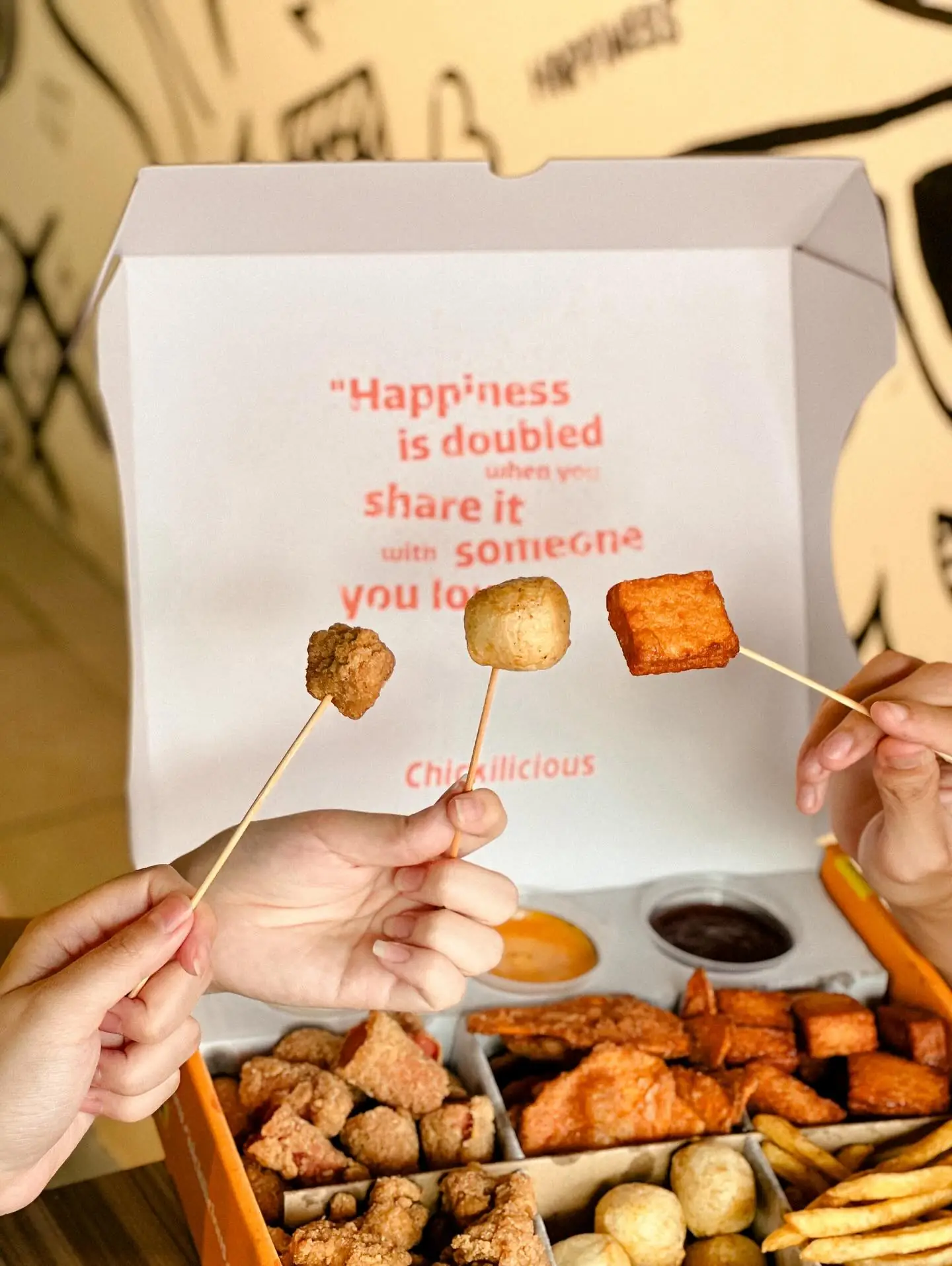
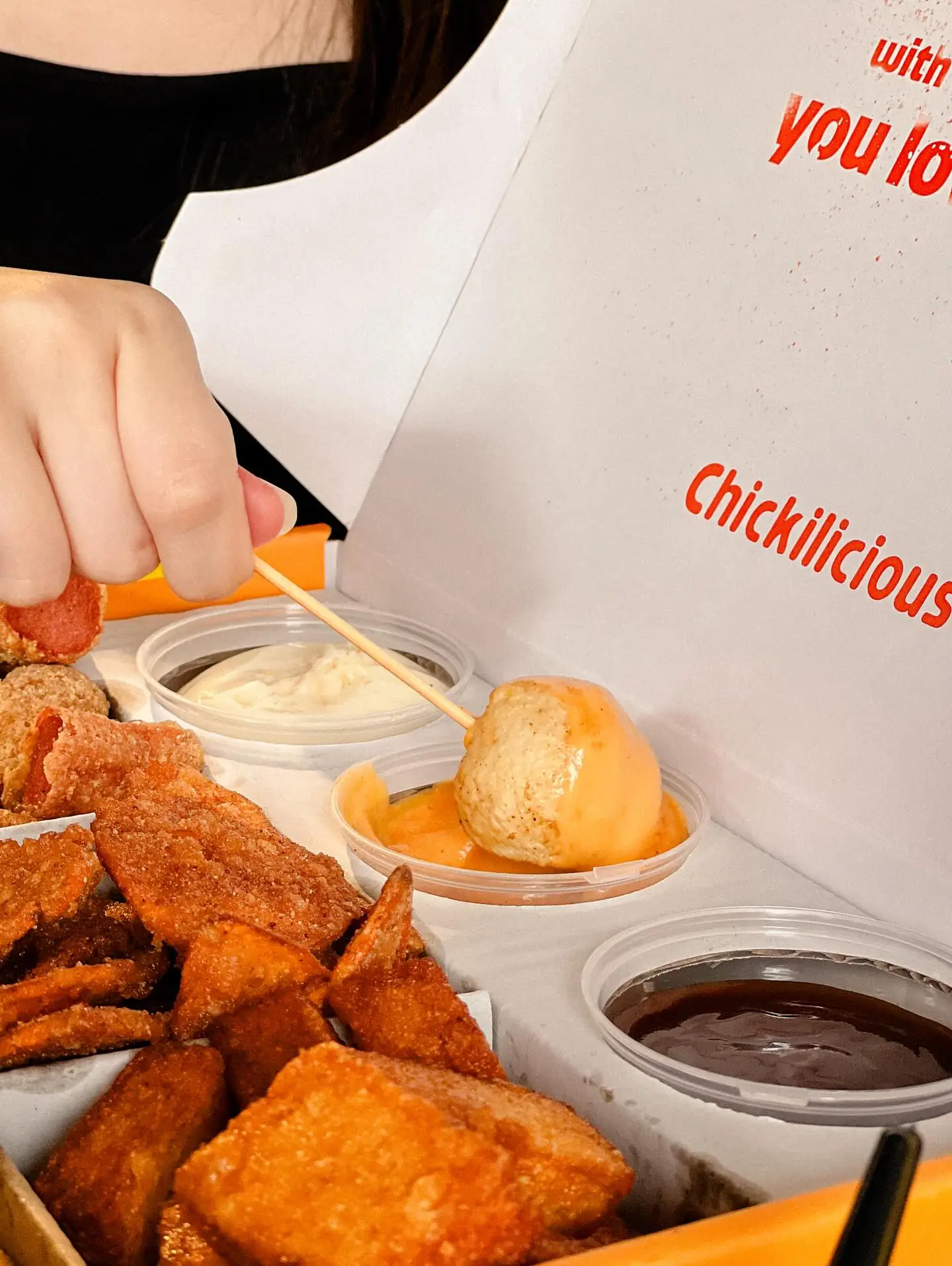
“Lifestyle ad for sharing a snack box with someone you love”
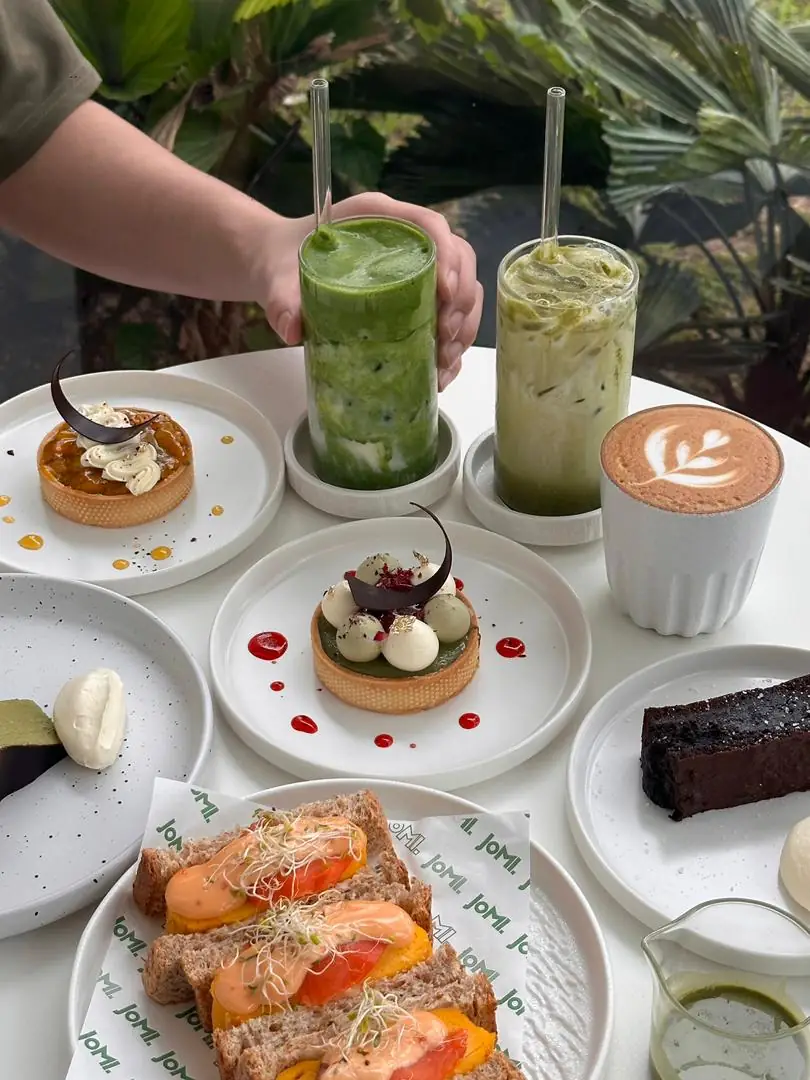
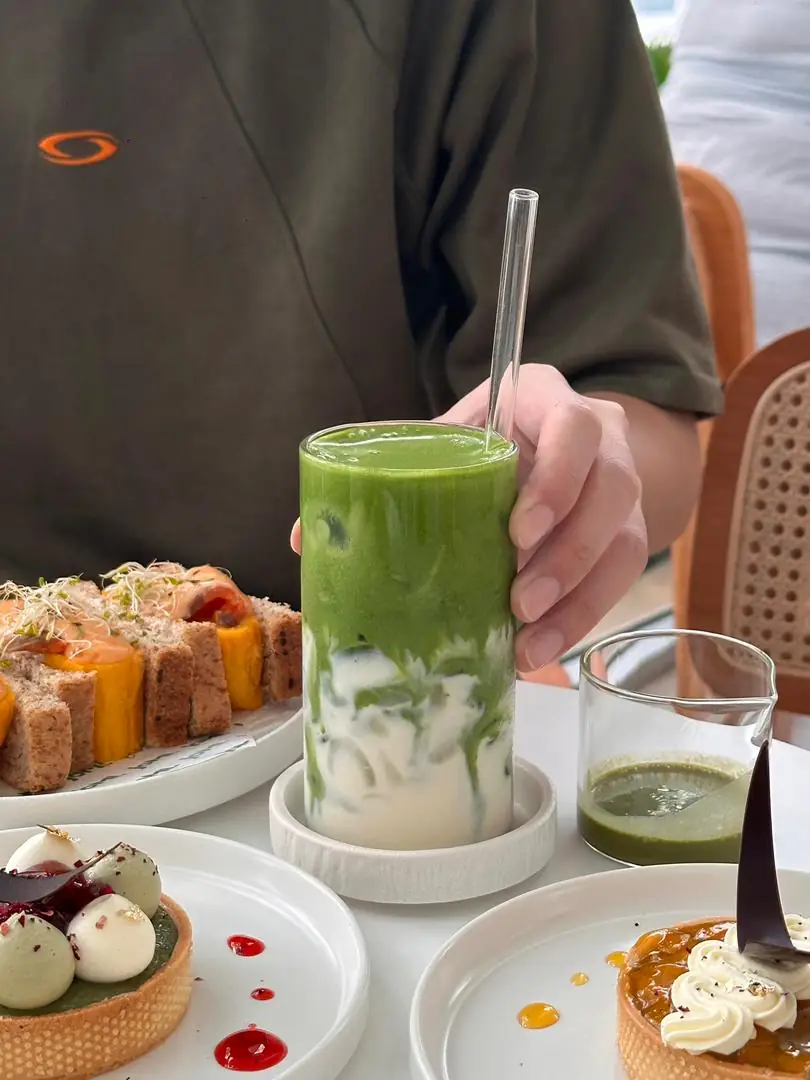
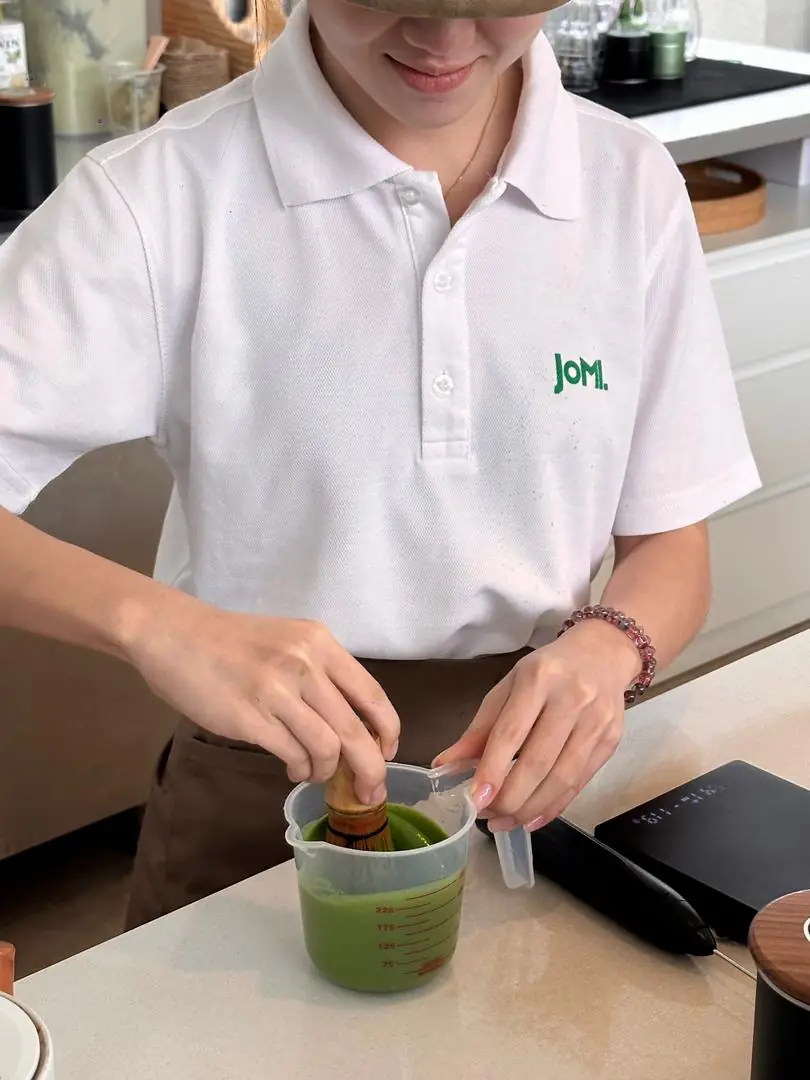
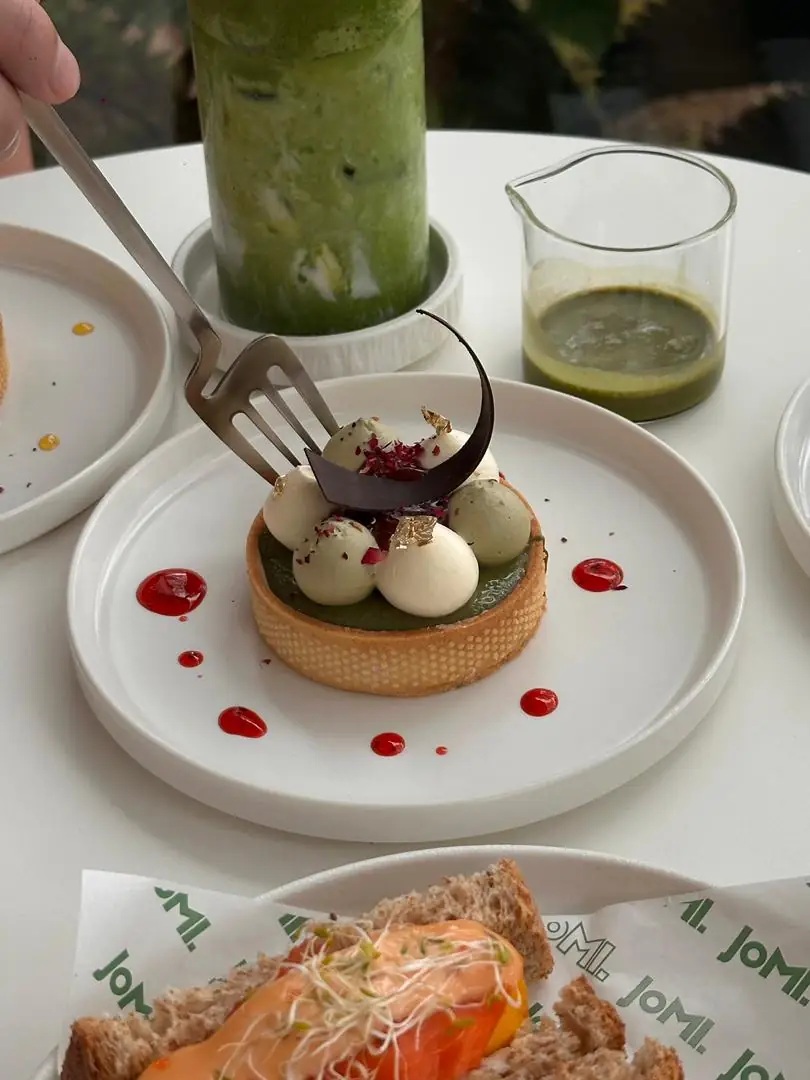
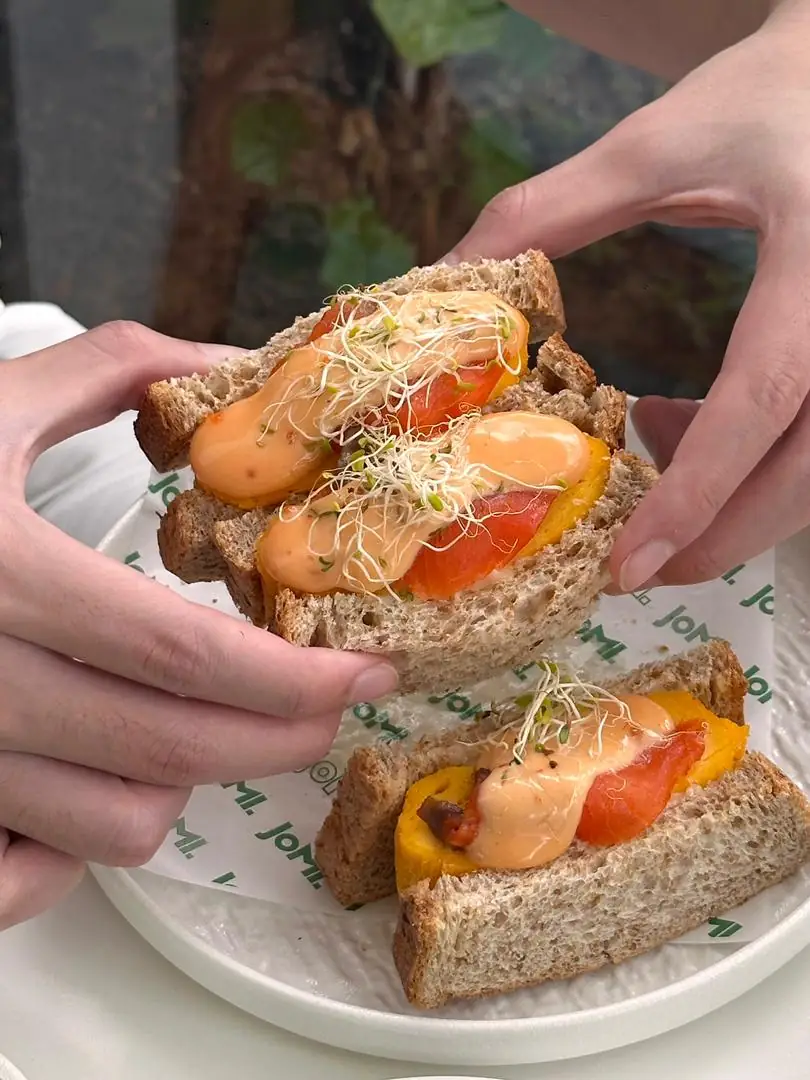
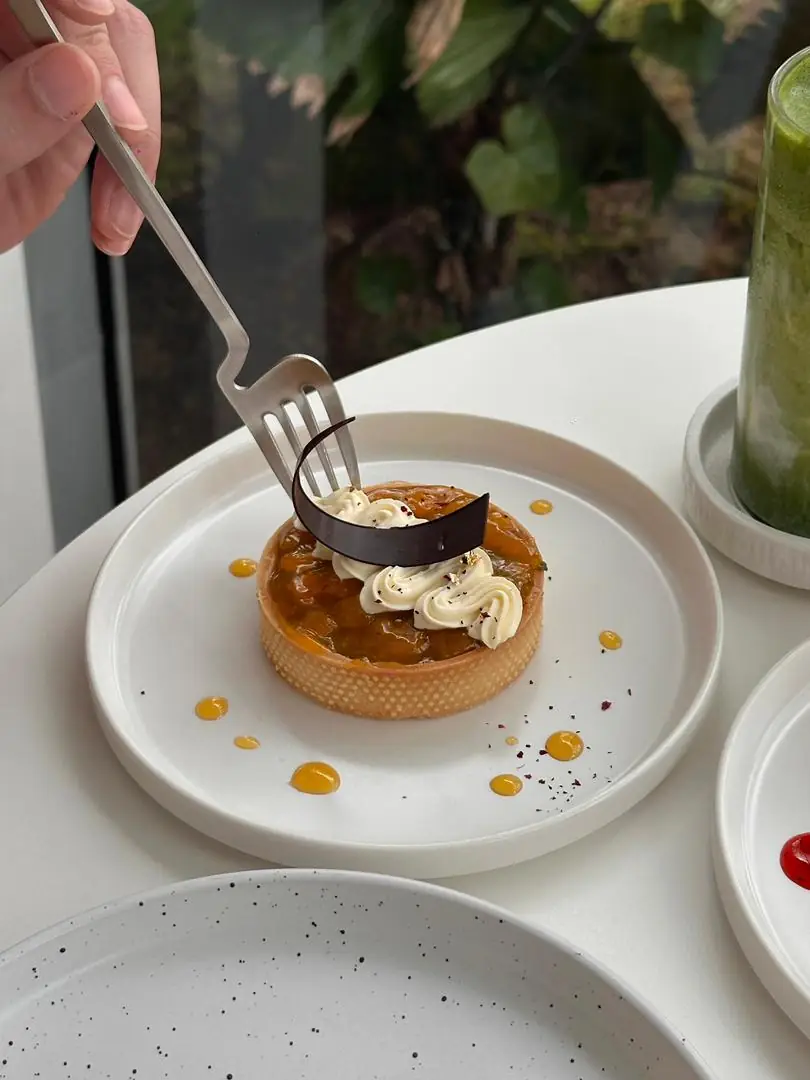
“Showcase ad for an authentic matcha cafe spread in Penang”
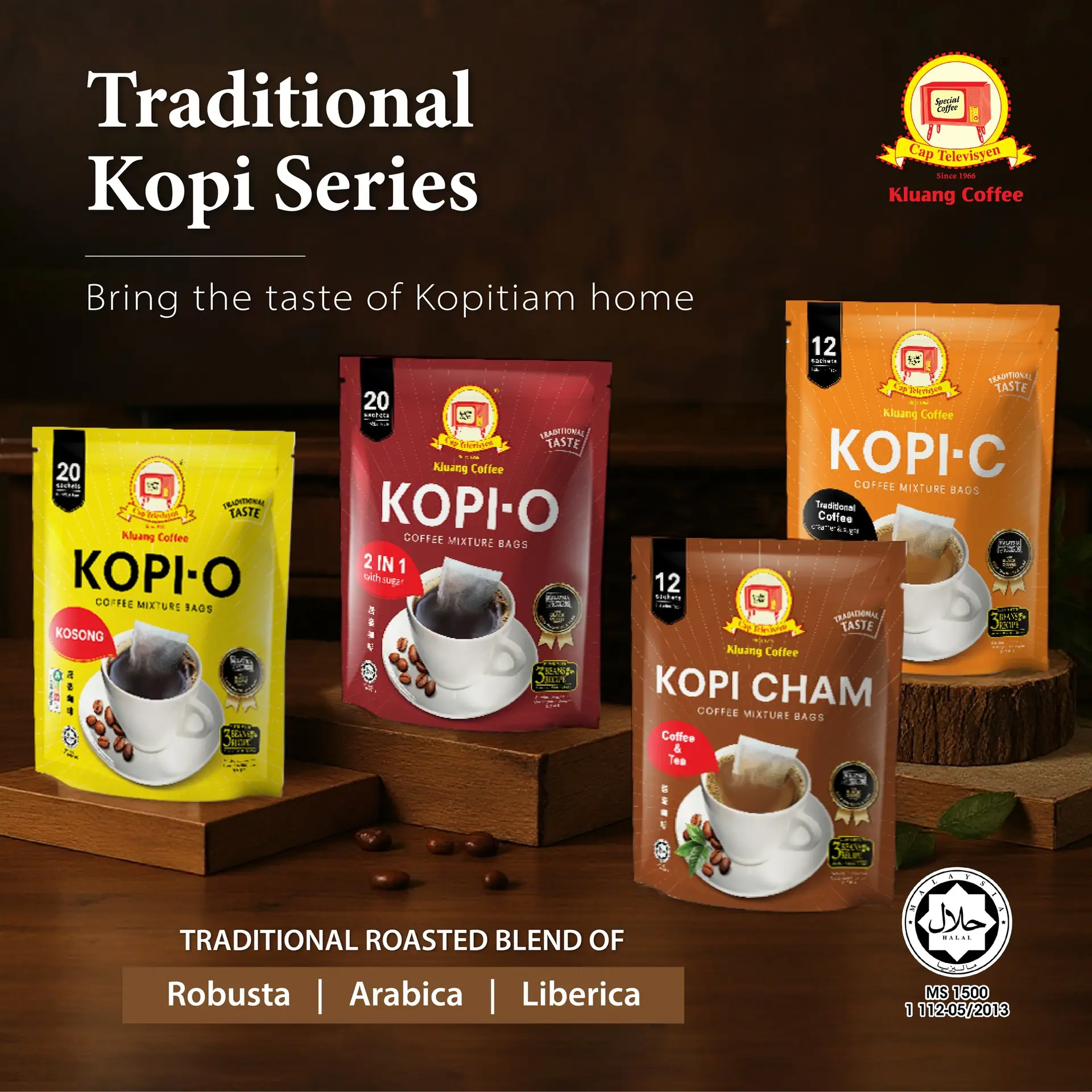
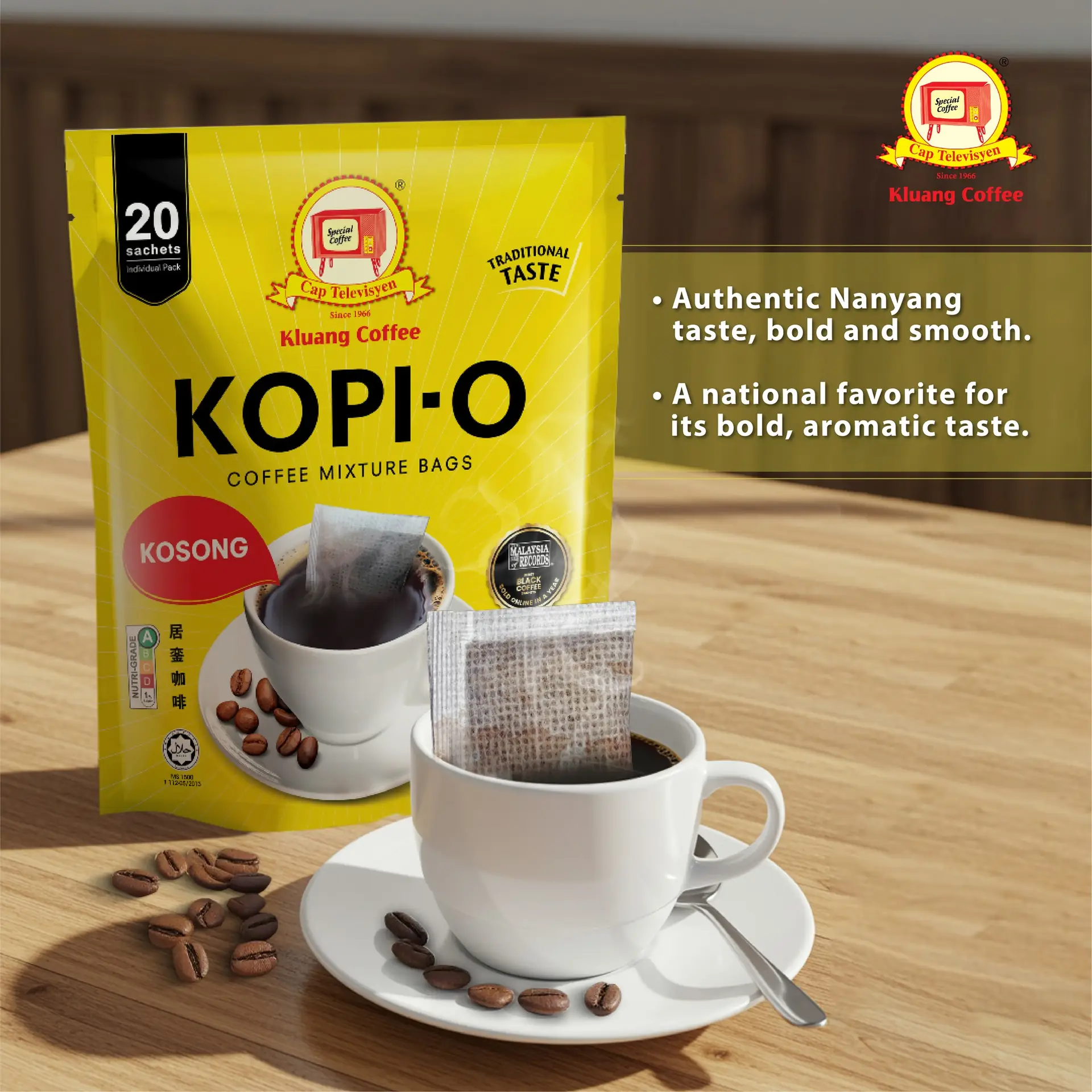
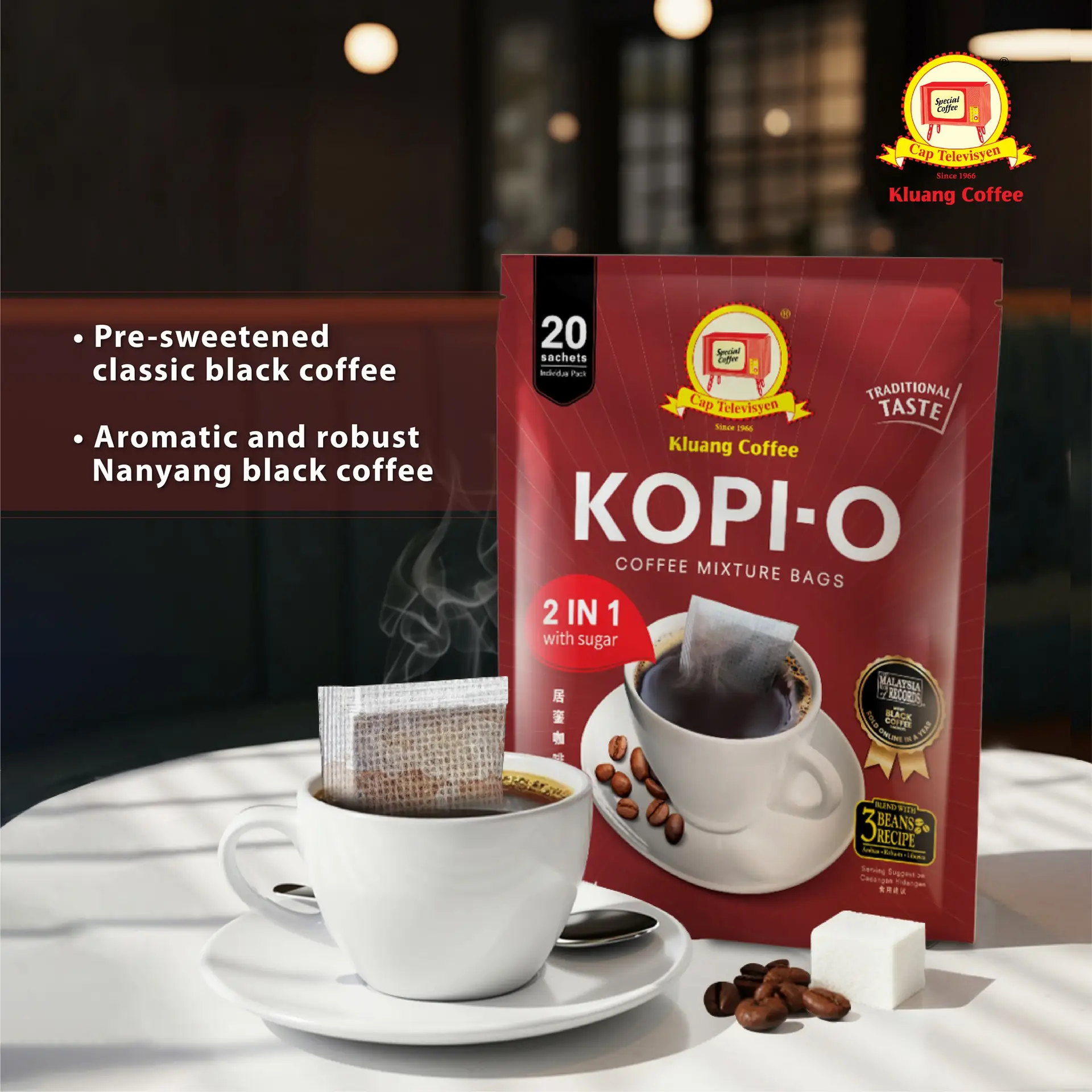
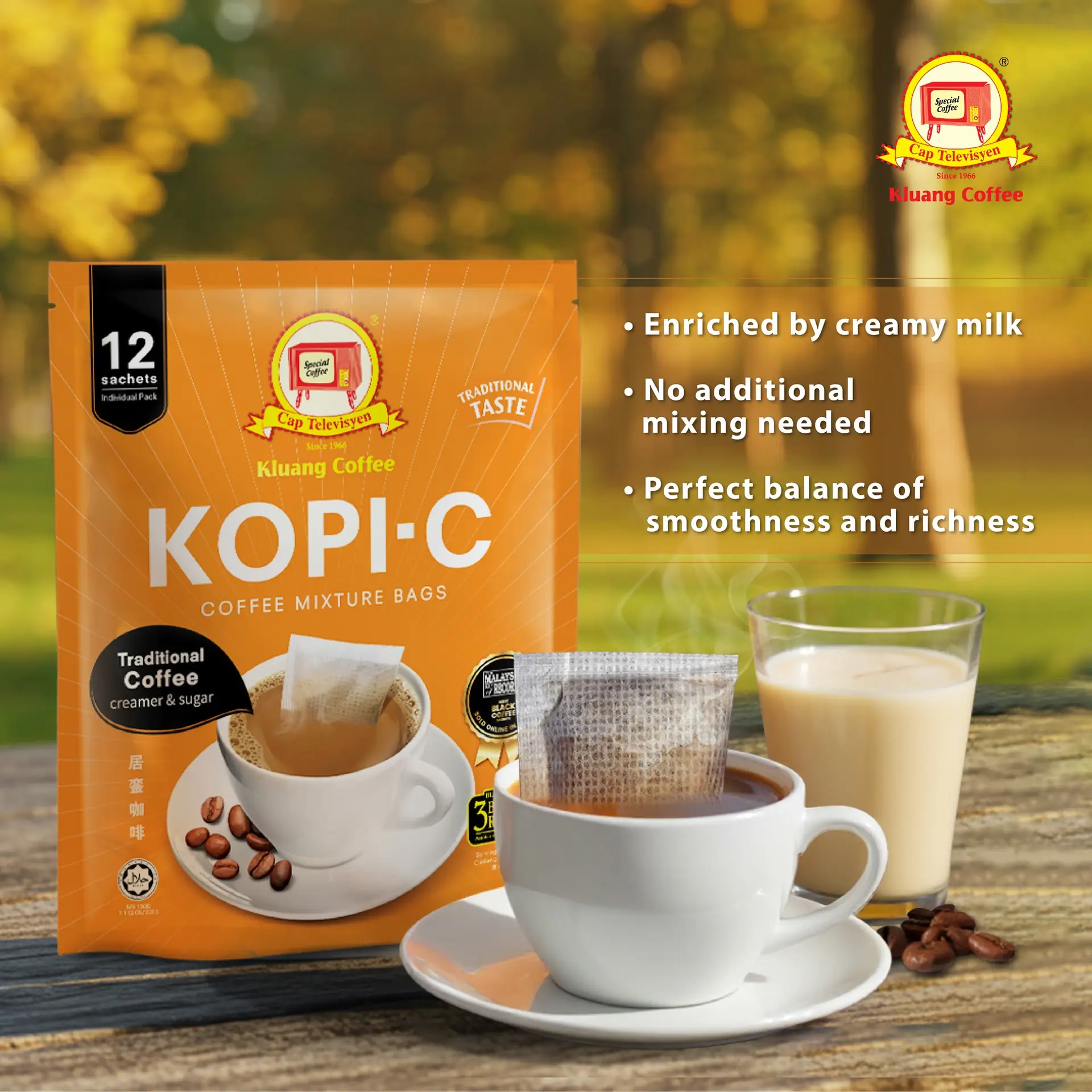
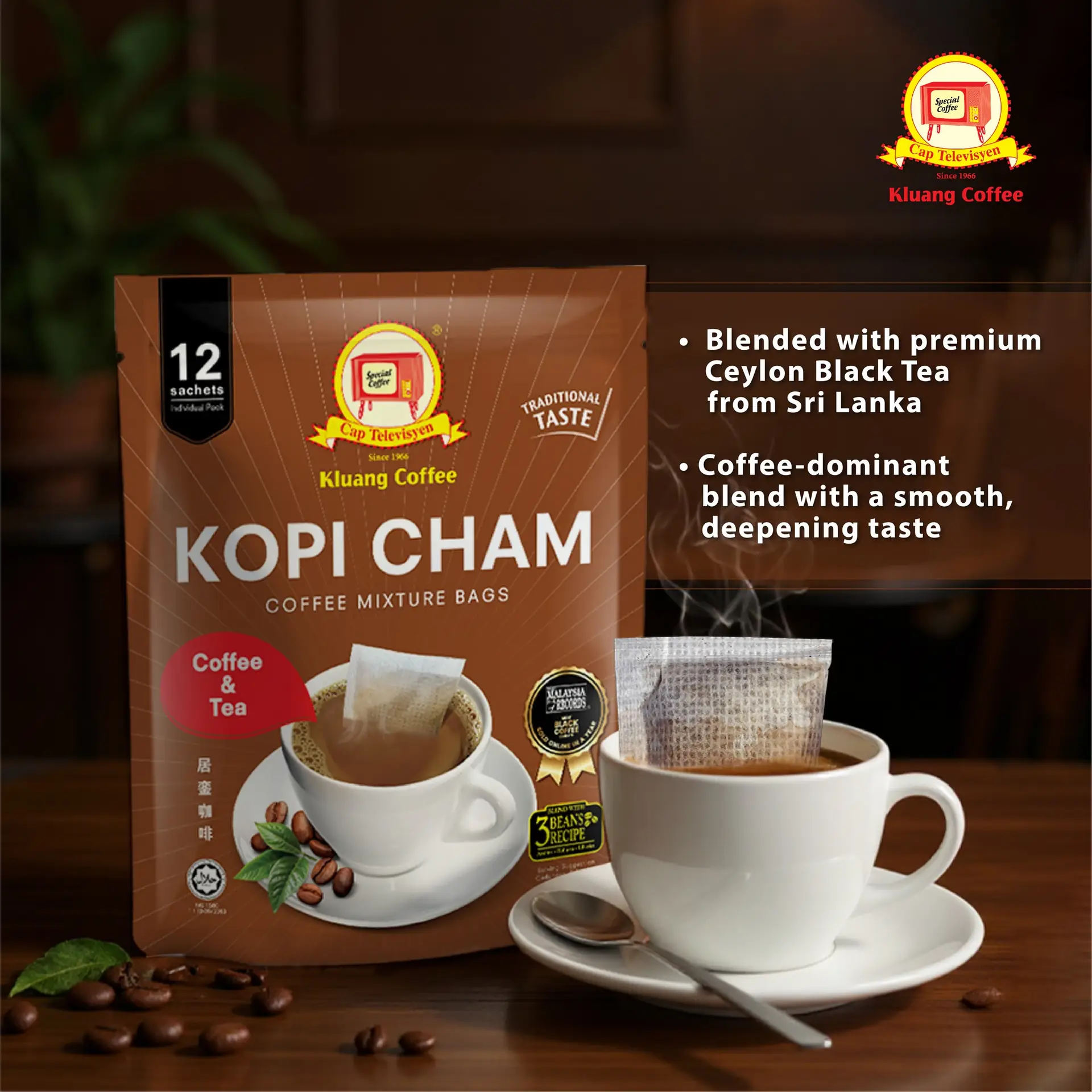
“Showcase ad for a traditional kopi range that brings the kopitiam home”
“Showcase ad for a petai sambal jar over the dish it makes”
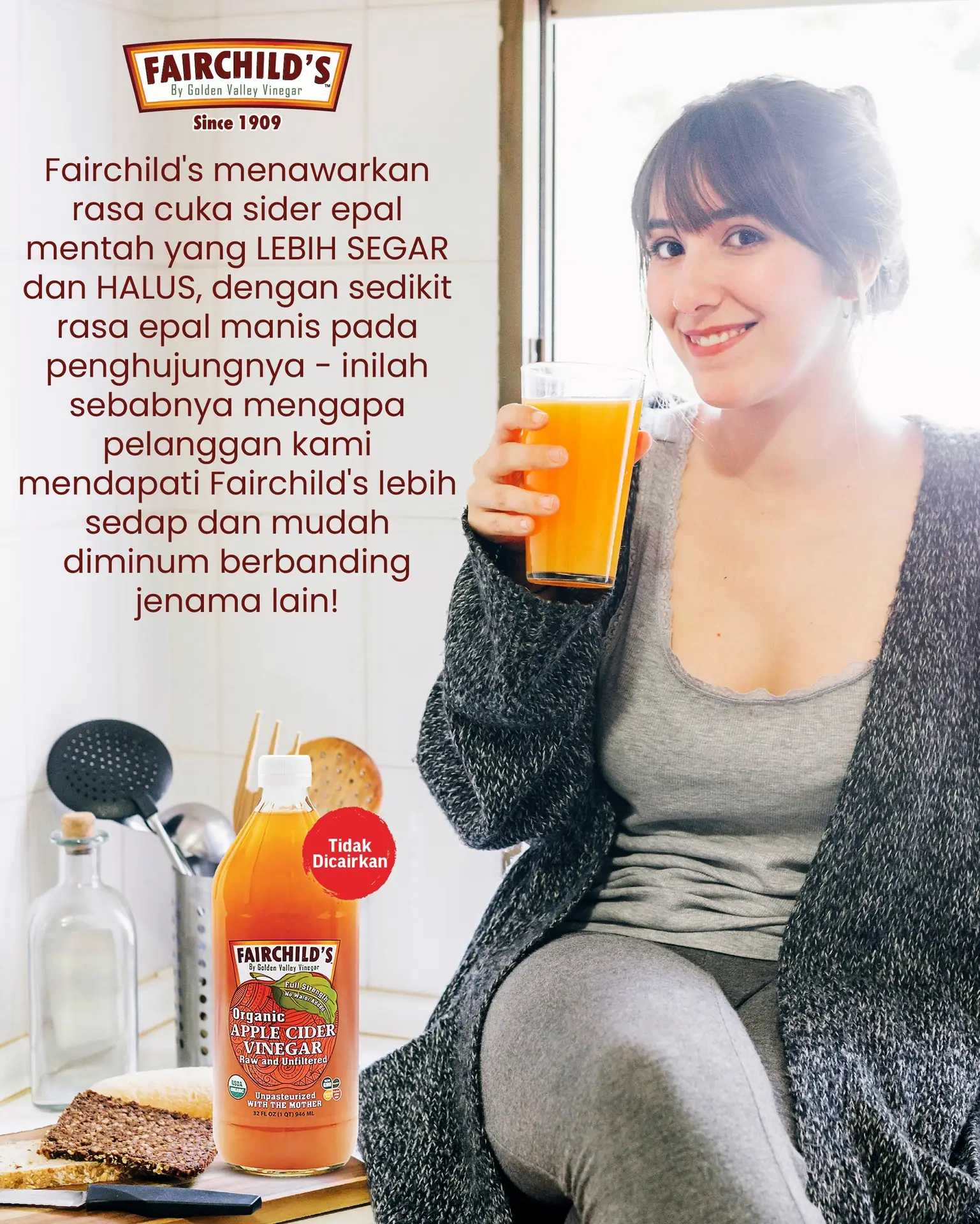
“Feature-callout ad for a fresher, smoother raw apple cider vinegar”
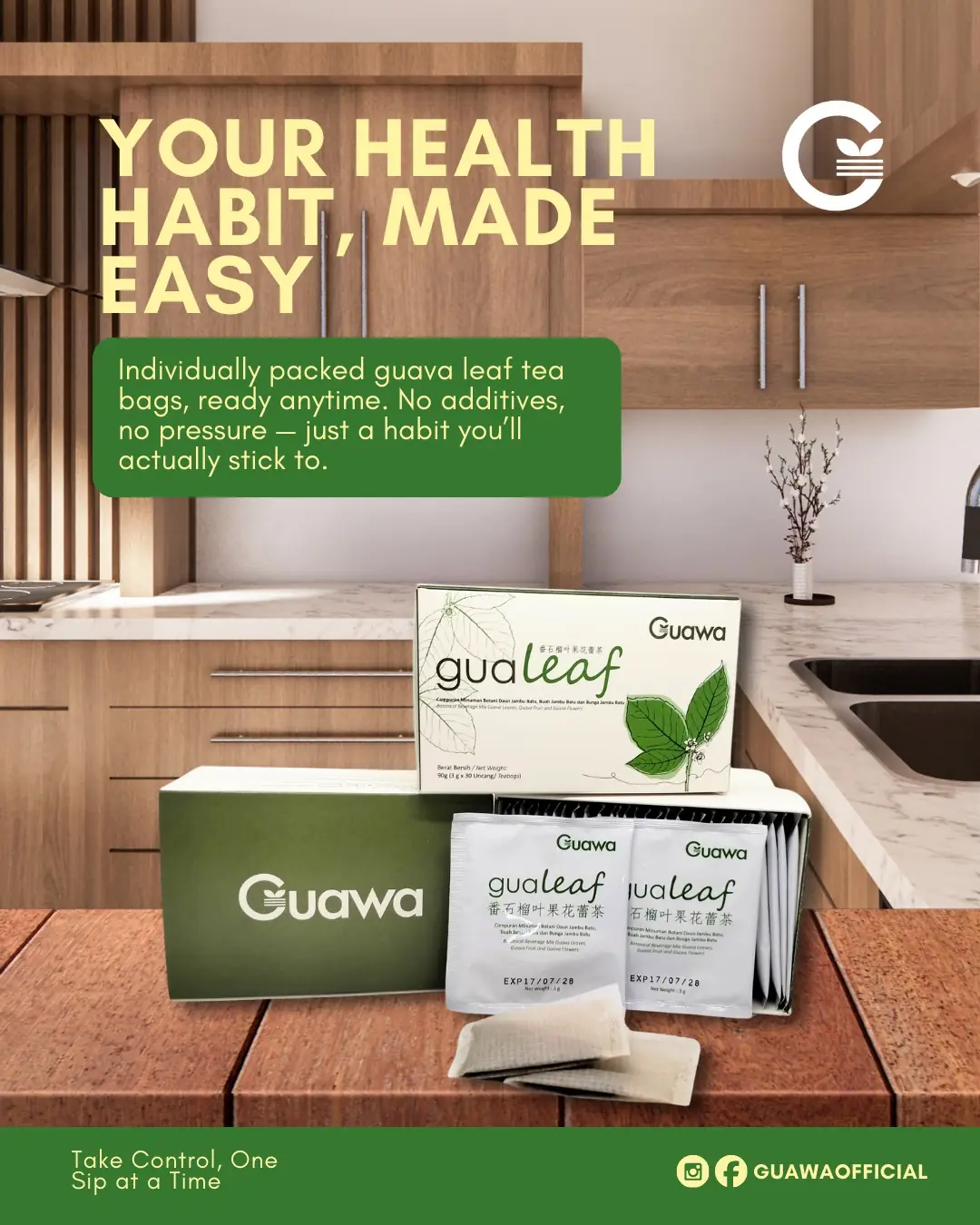
“Feature-callout ad for individually packed guava leaf tea bags”
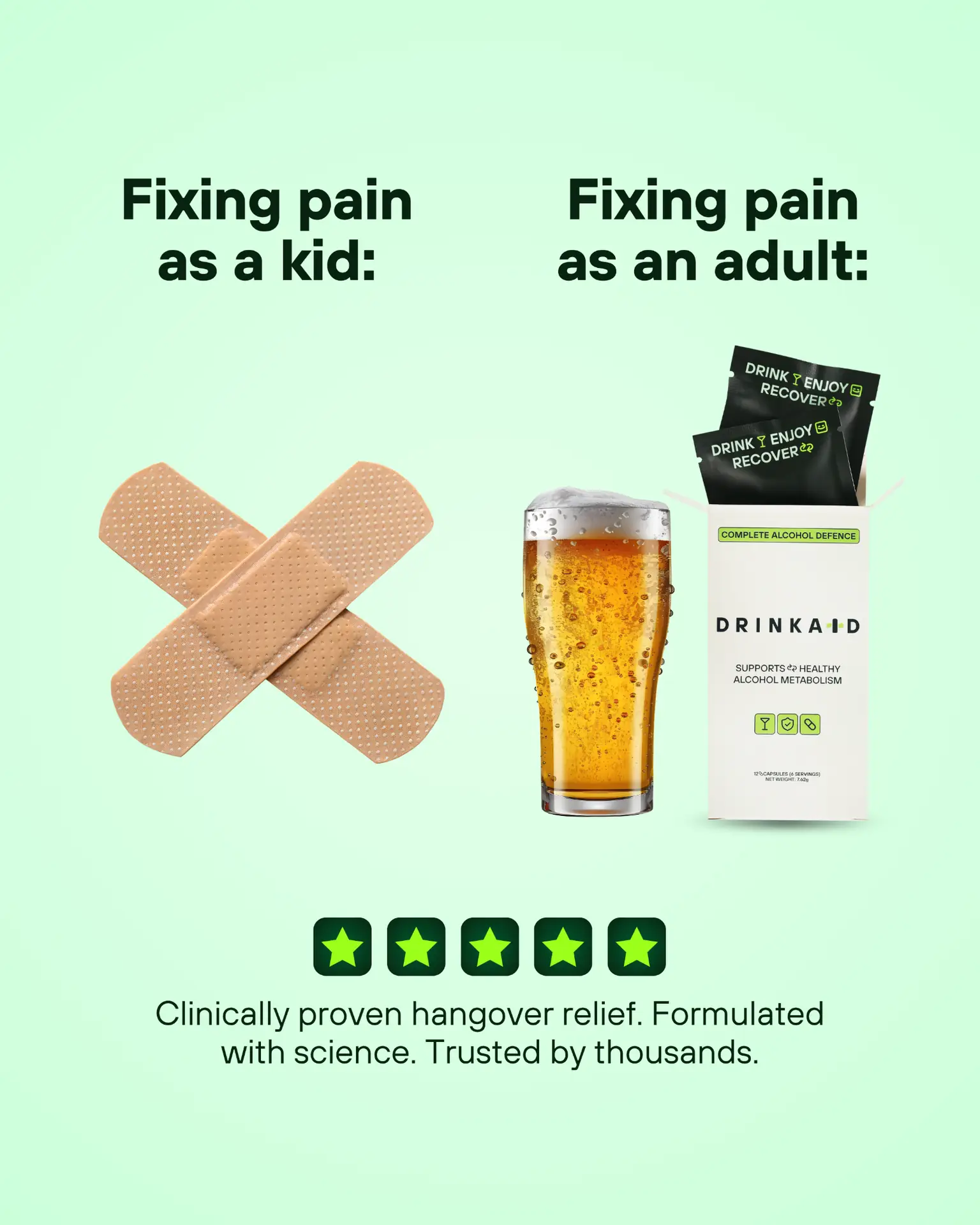
“Comparison ad for hangover relief, fixing pain as an adult”
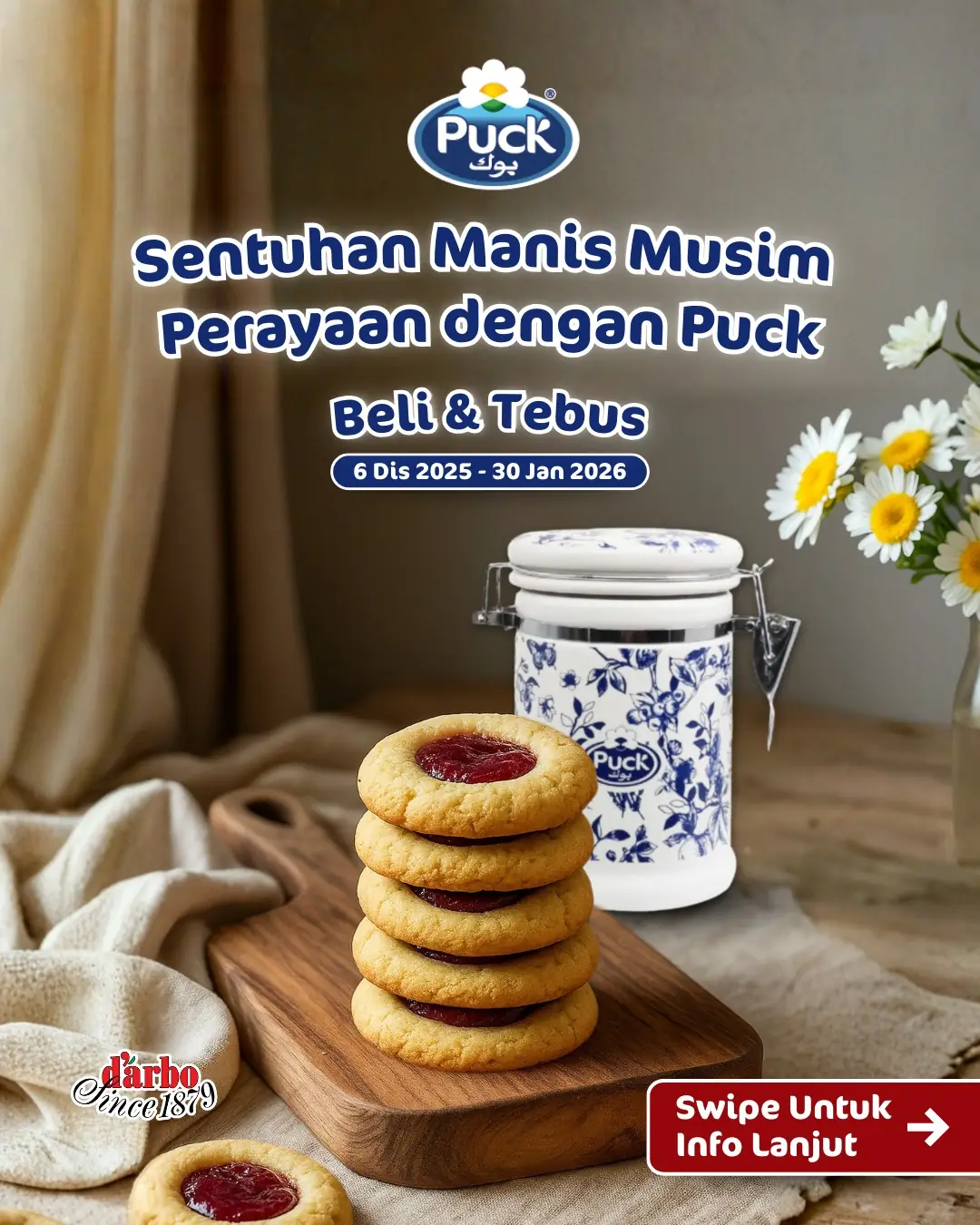
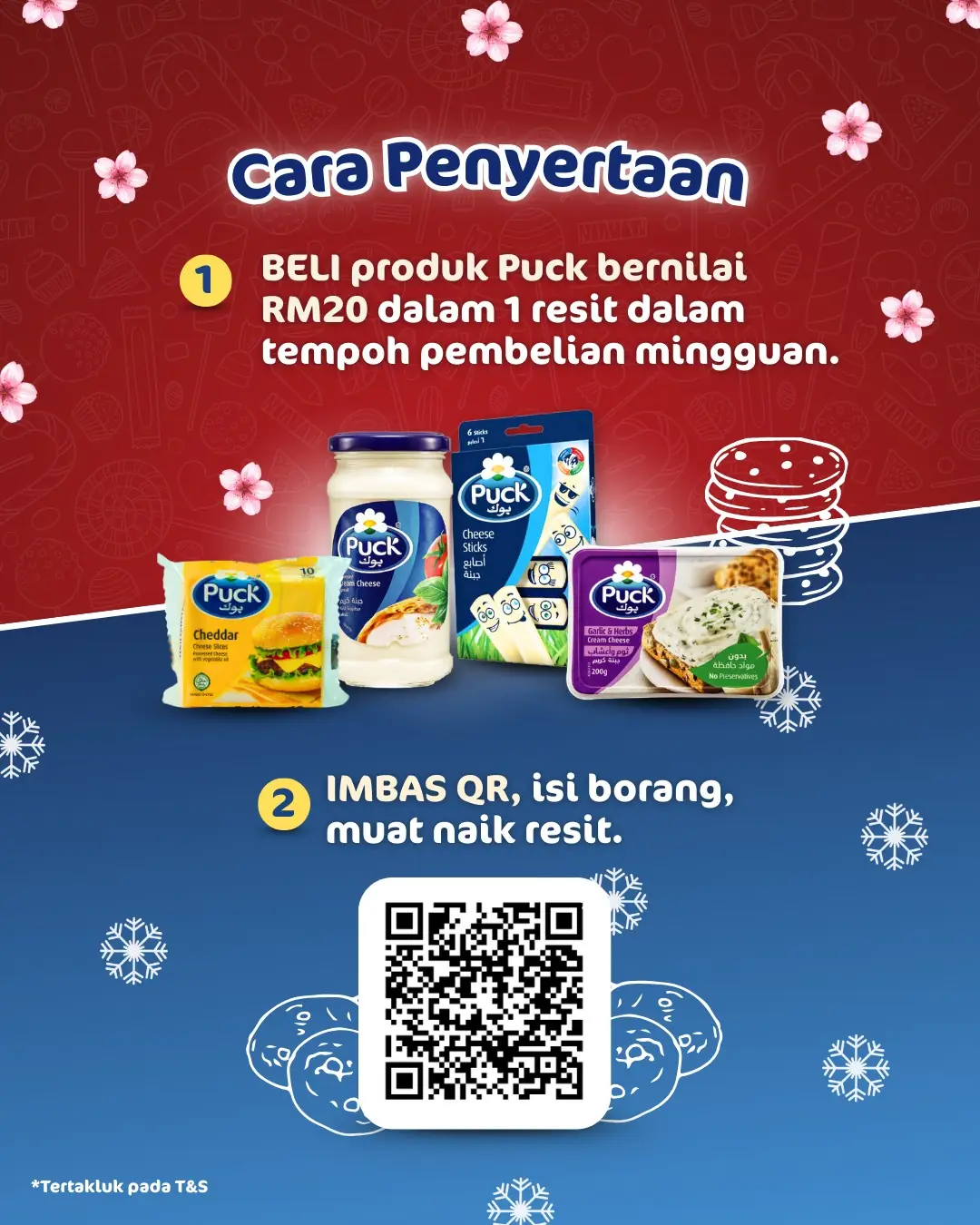
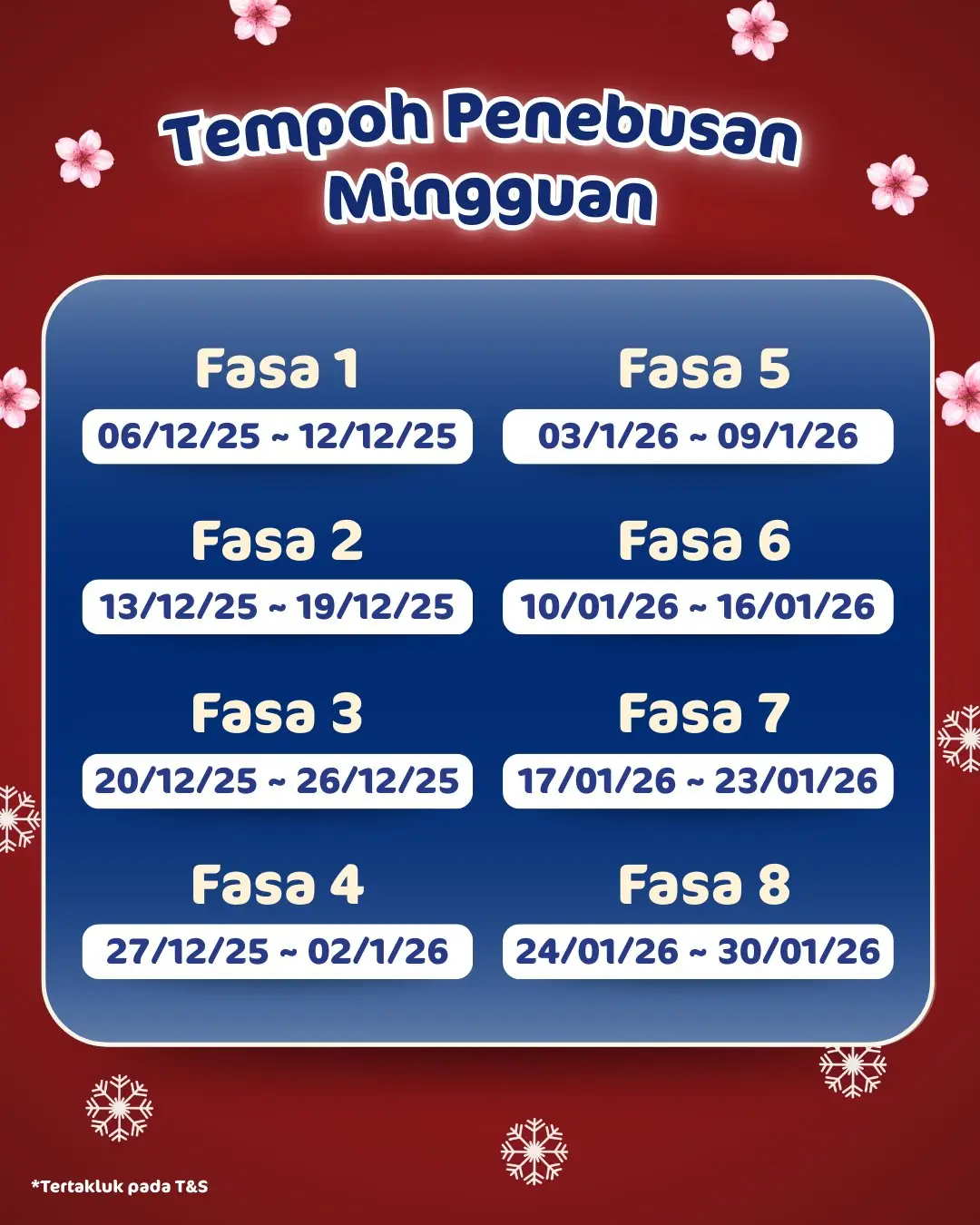
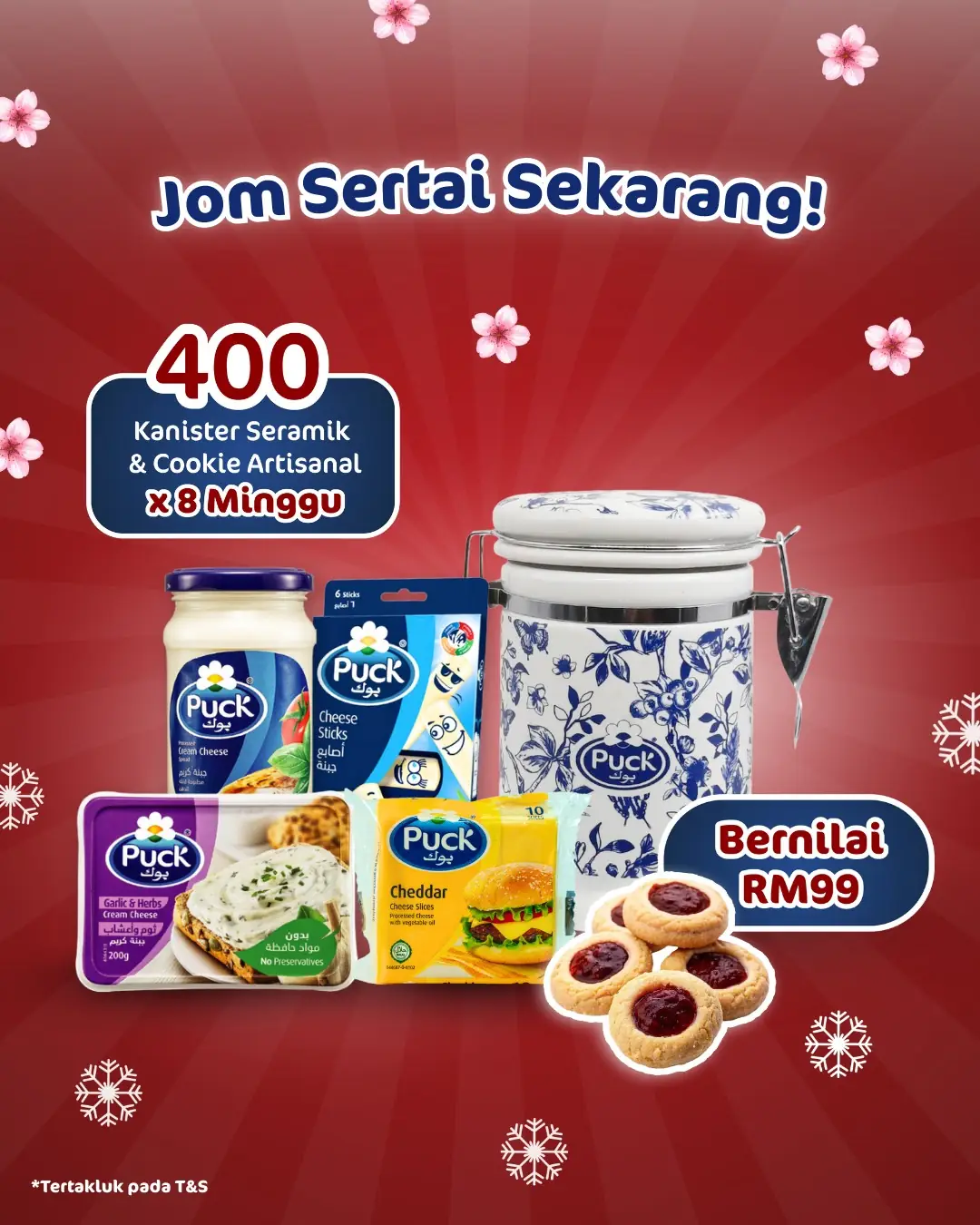
“Discount ad: spend RM20 on Puck, redeem a festive cookie canister”
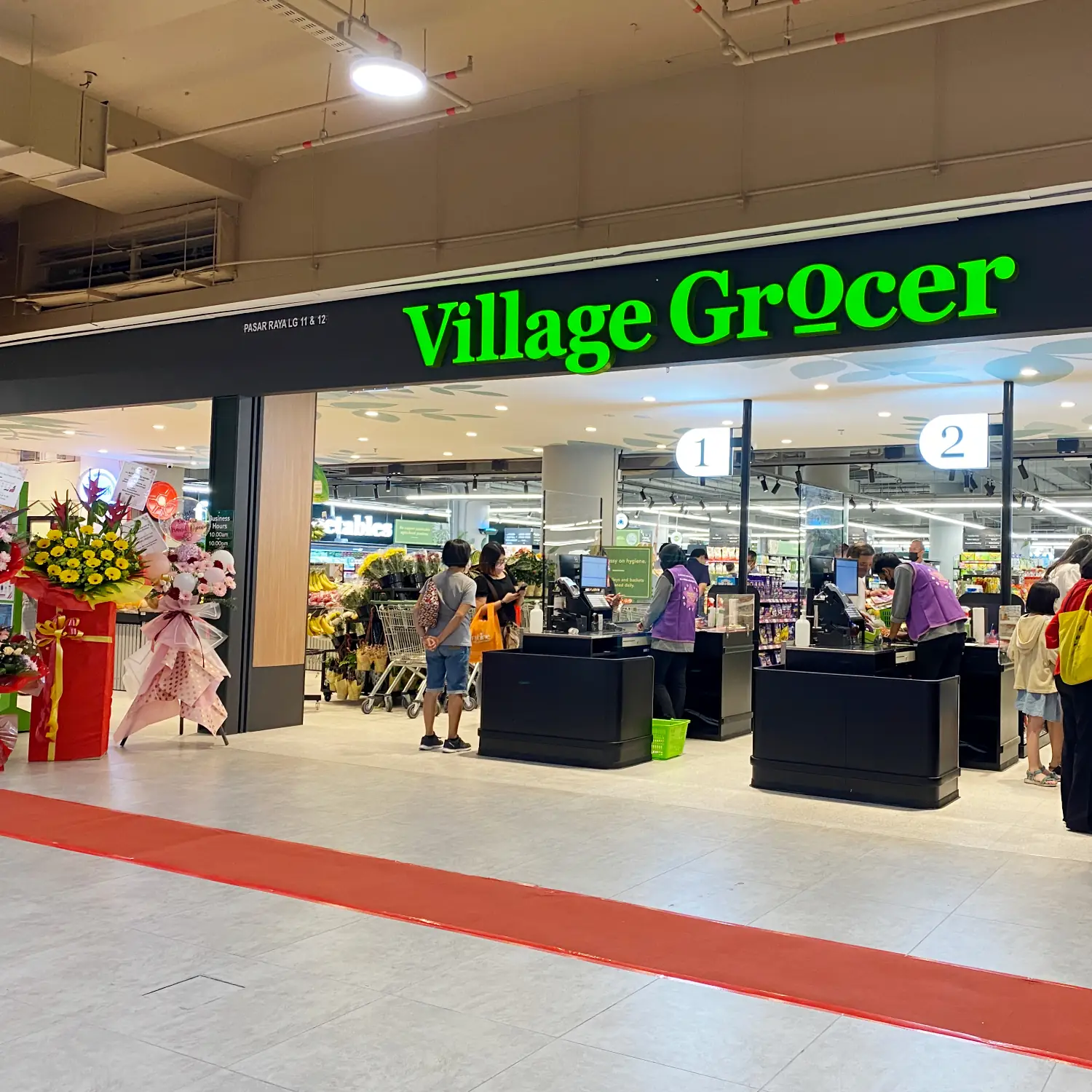
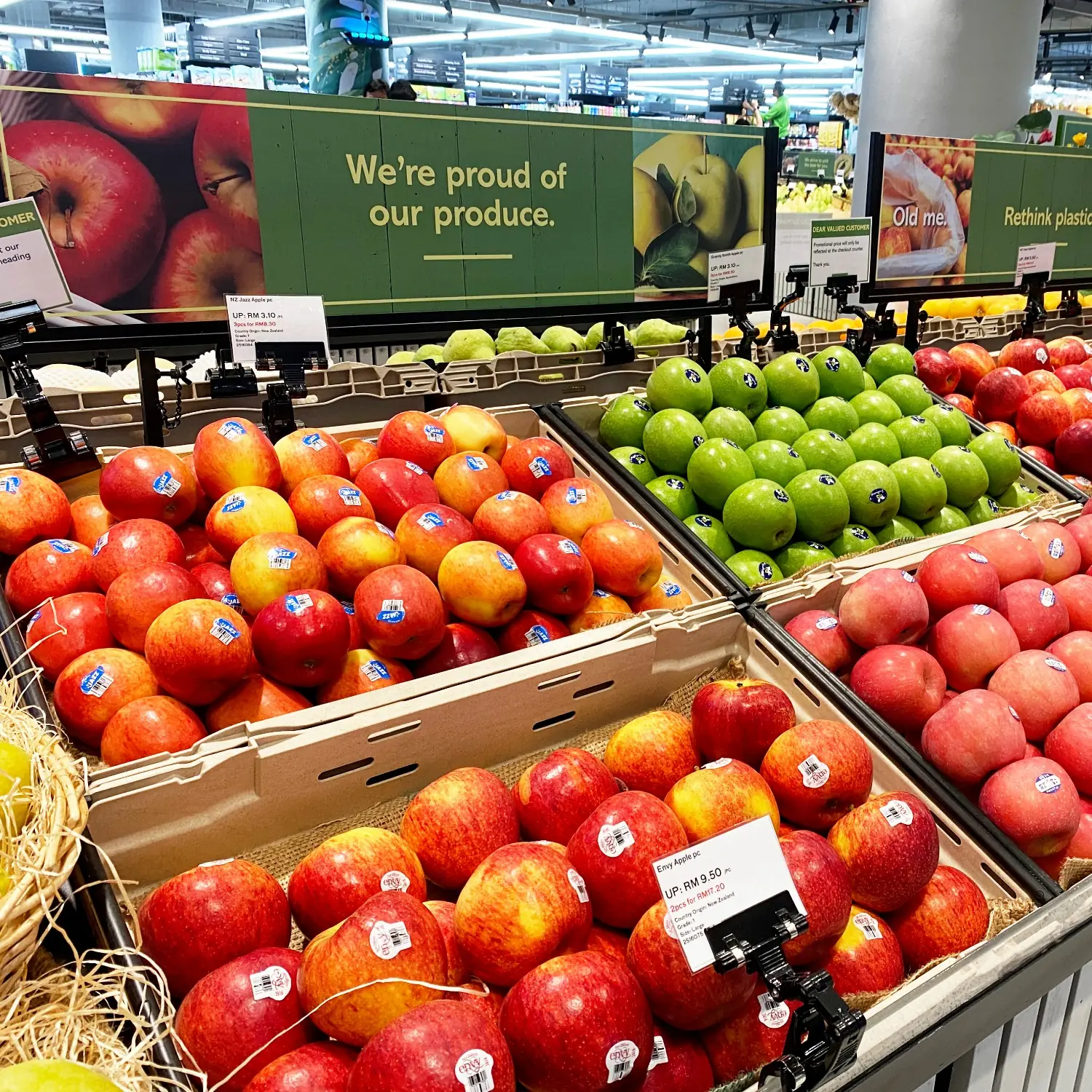
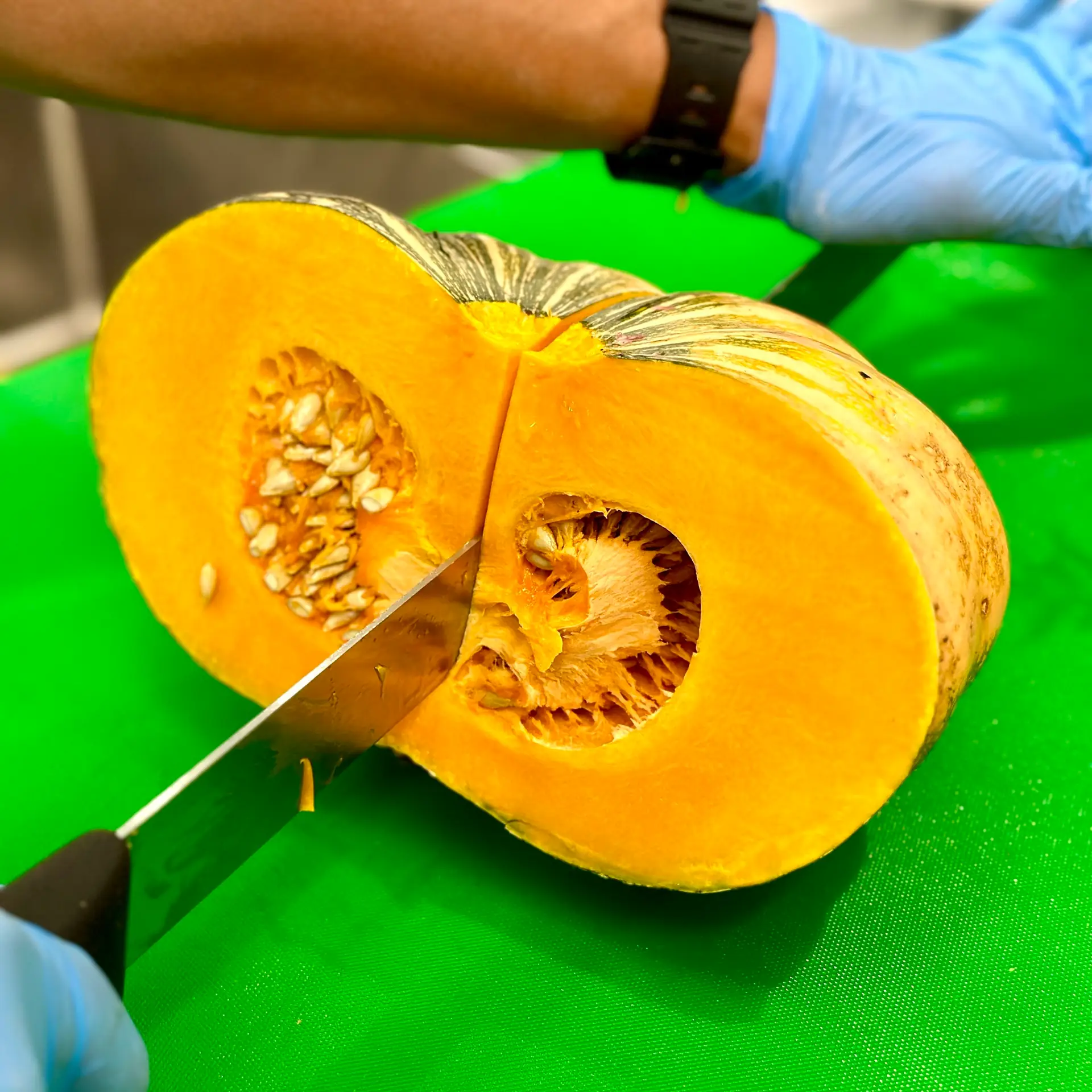
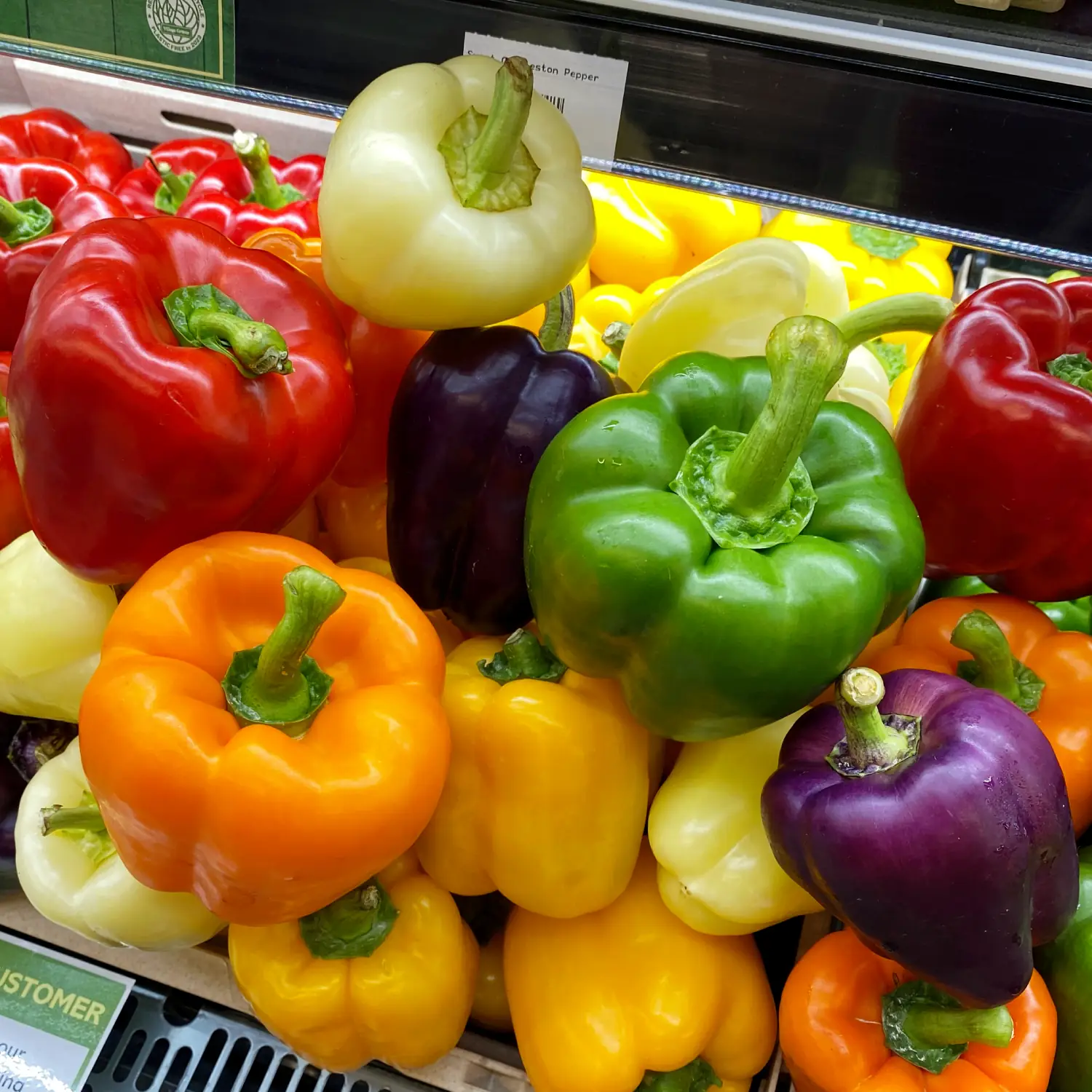
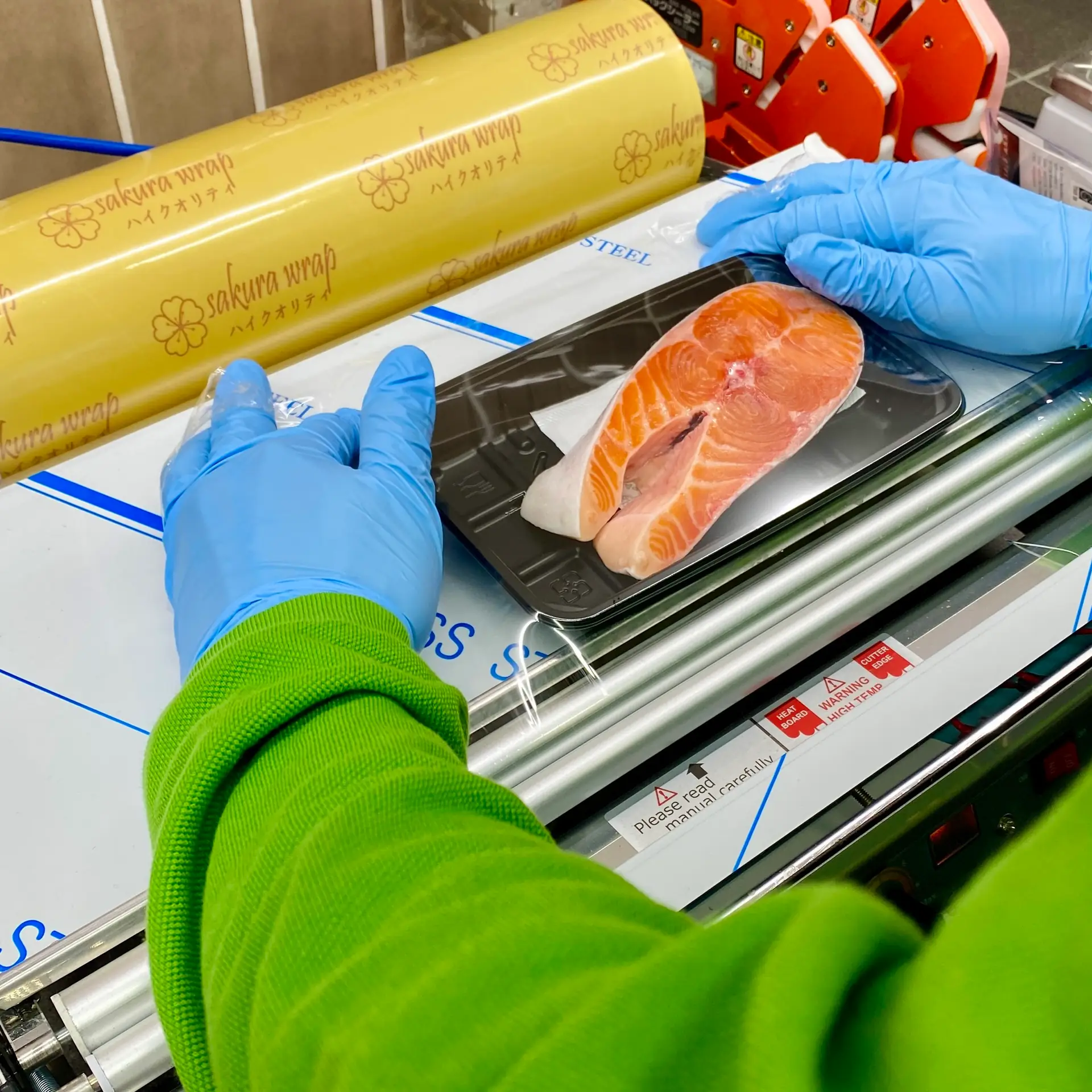
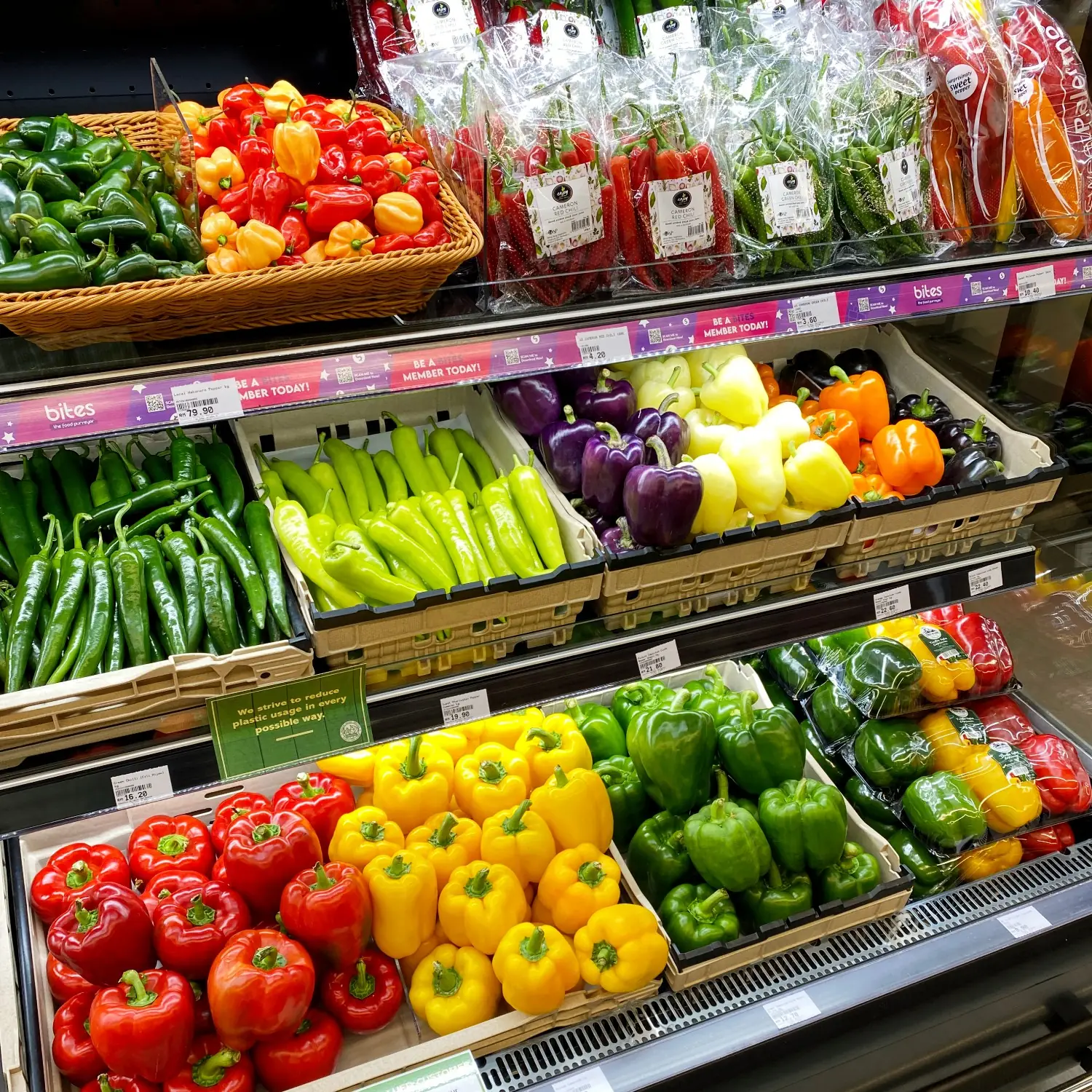
“Announcement ad: a new Village Grocer now open in Penang”
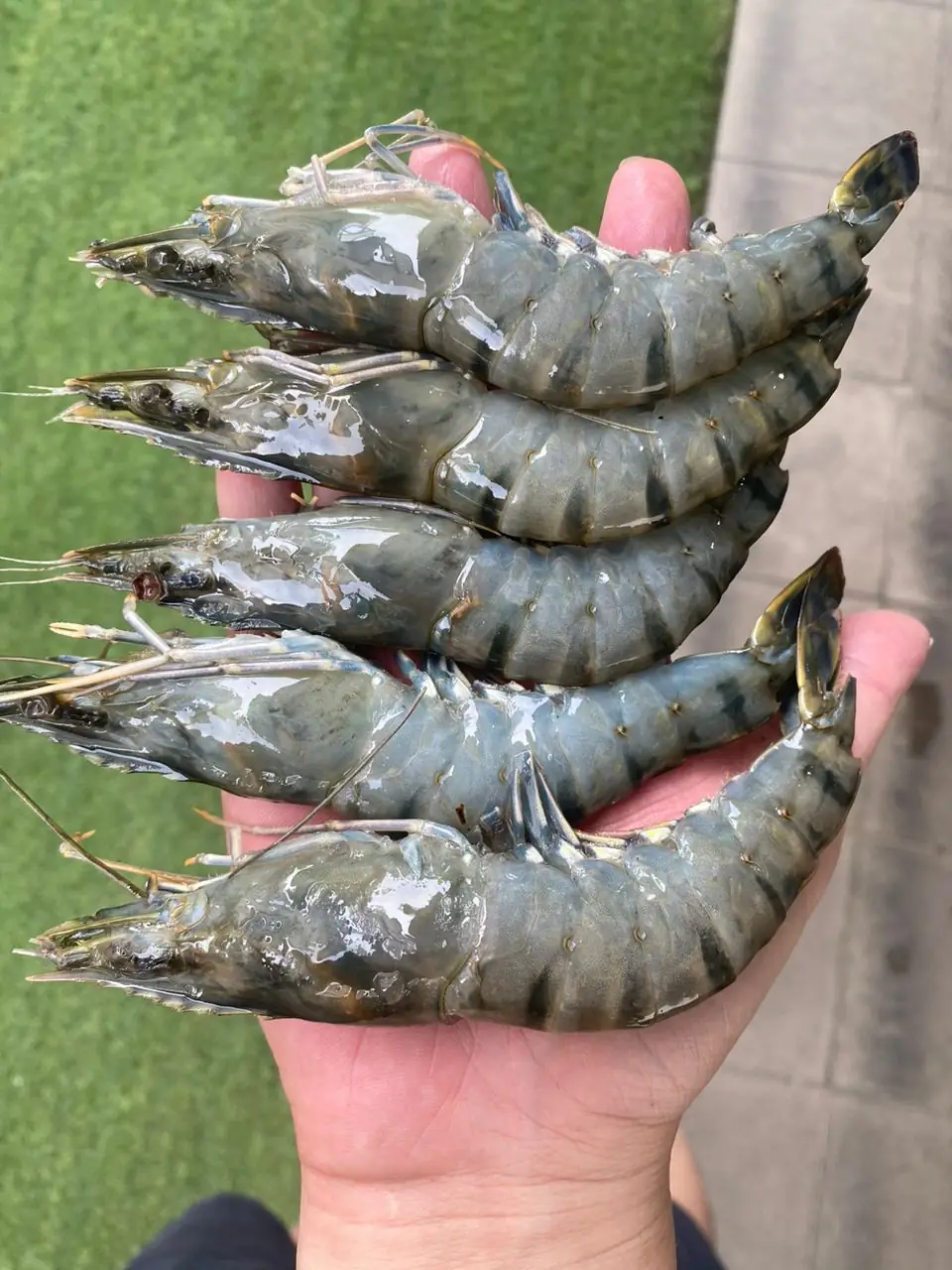
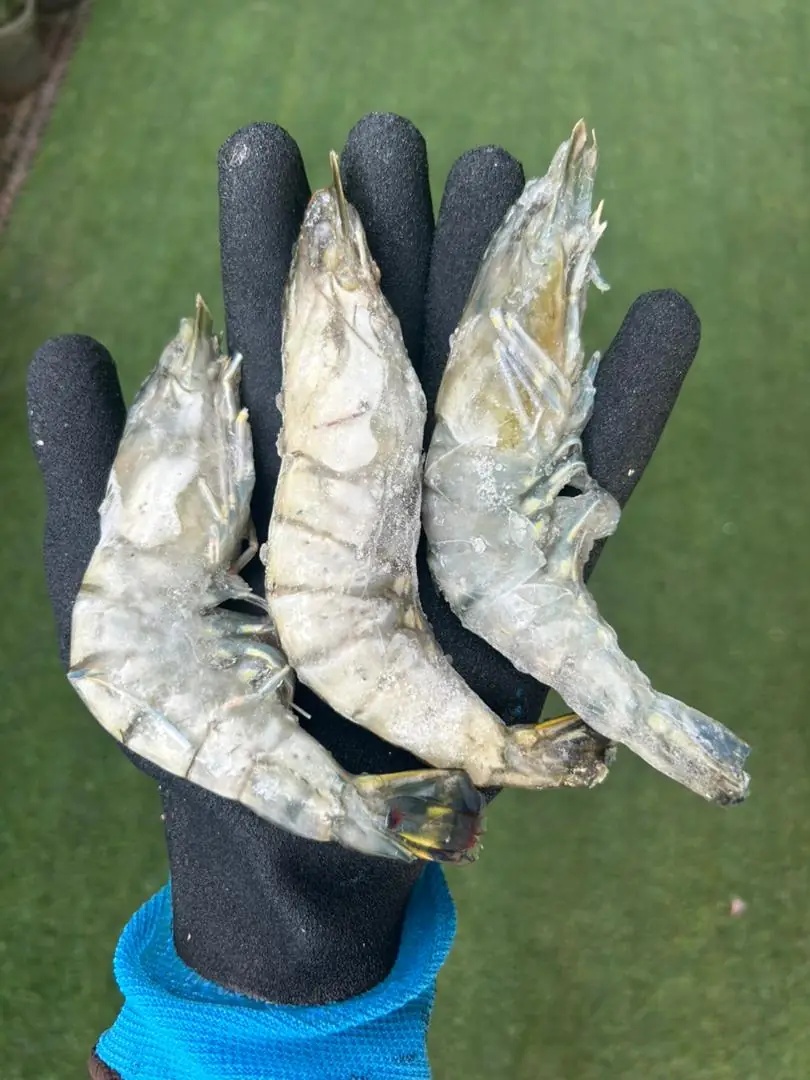
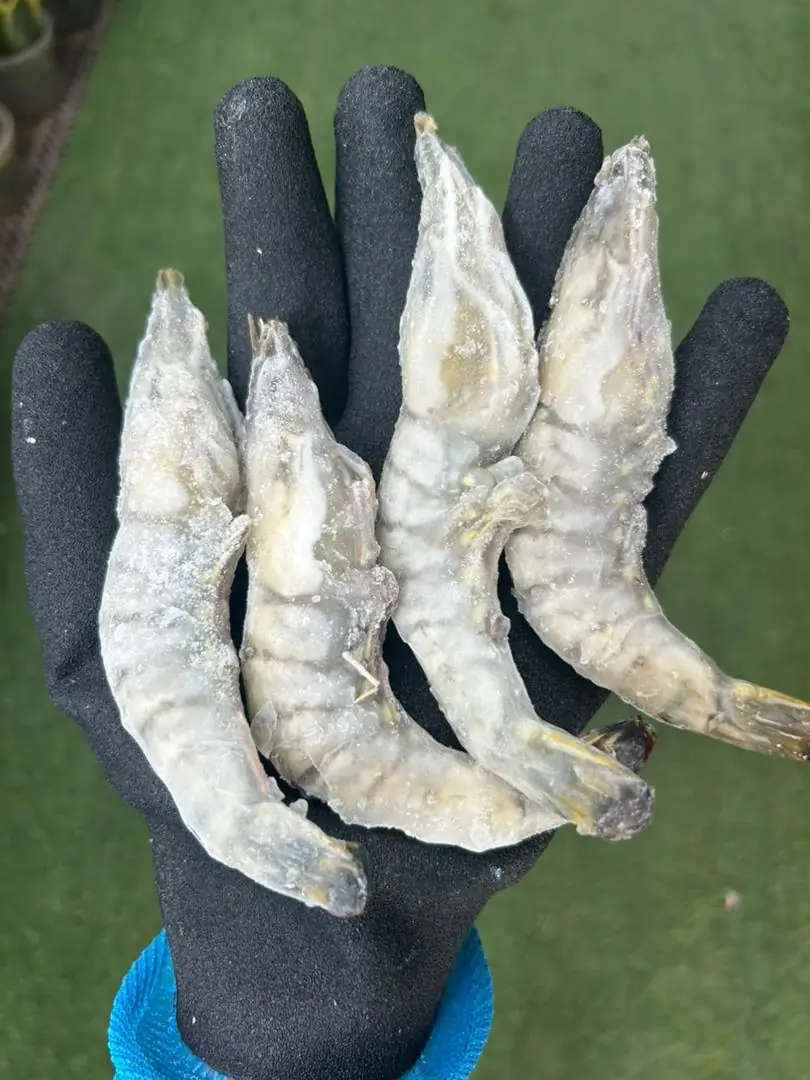
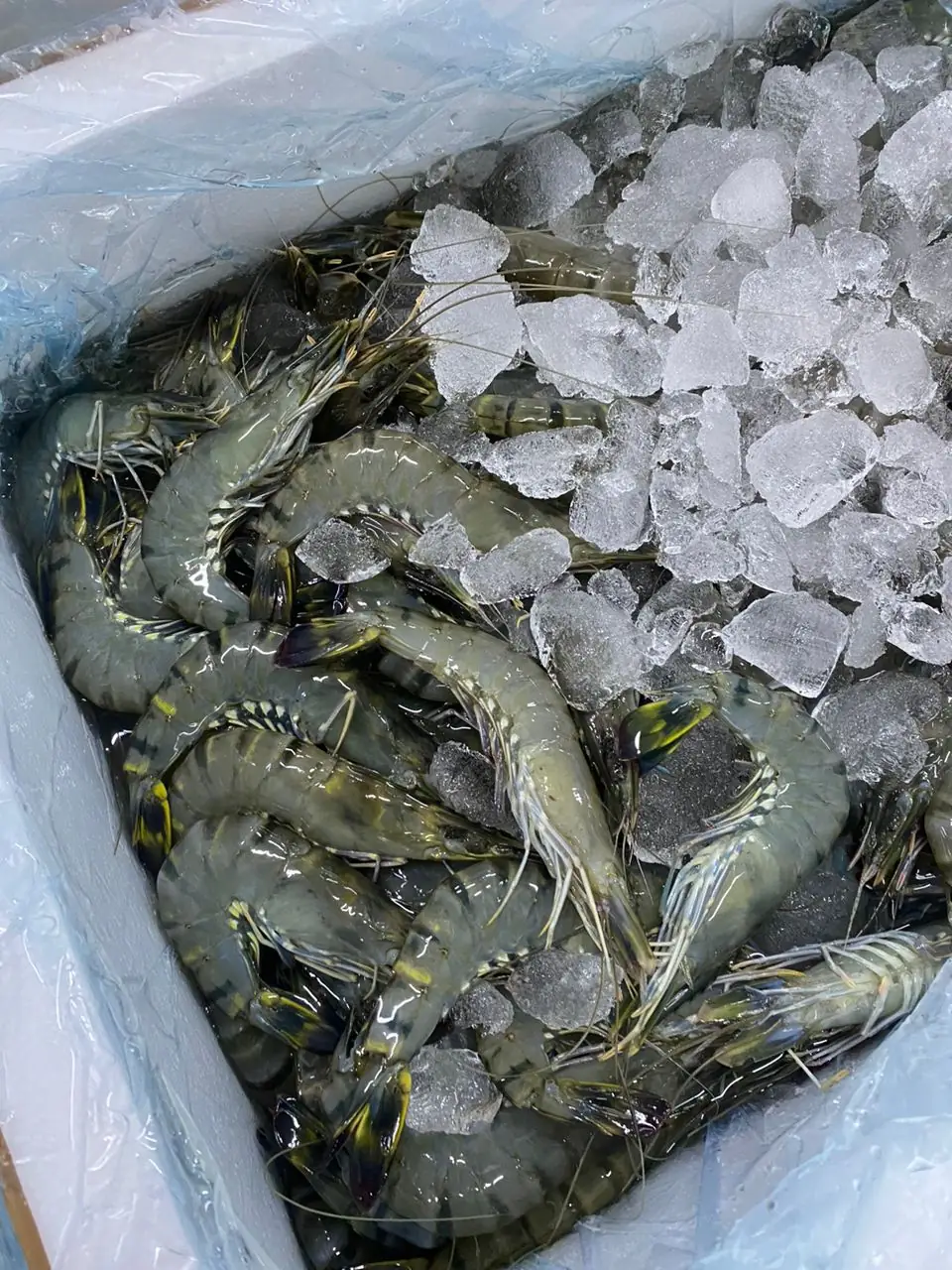
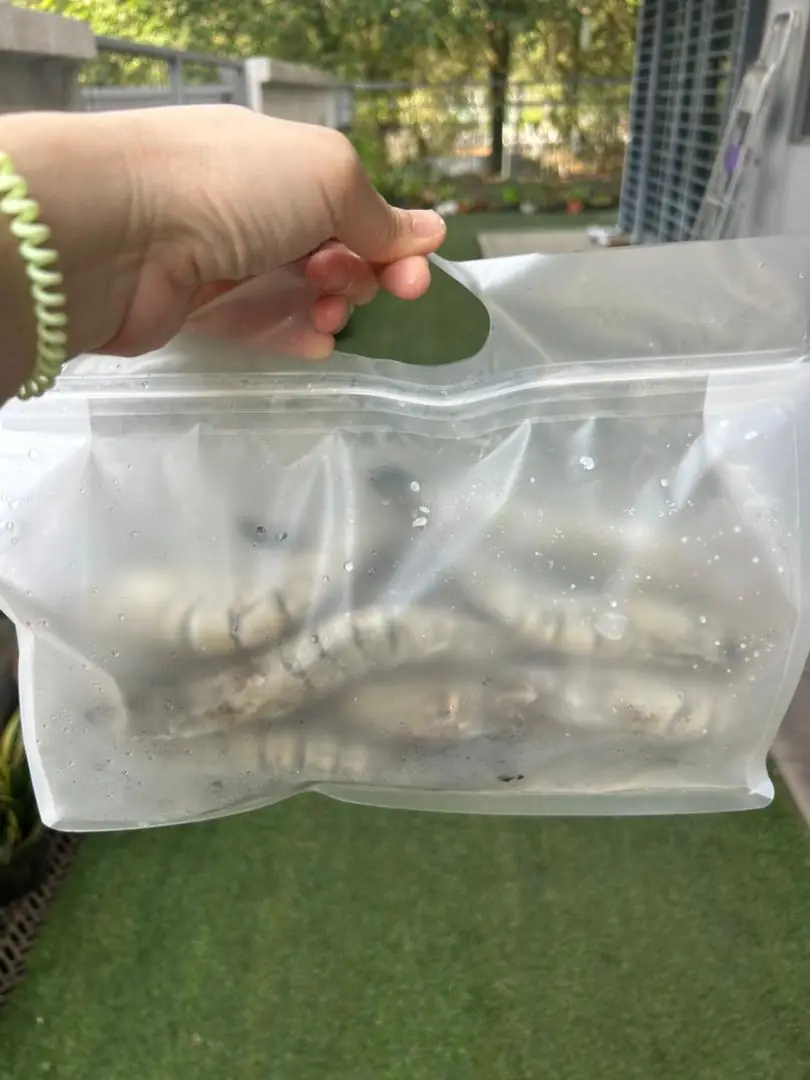
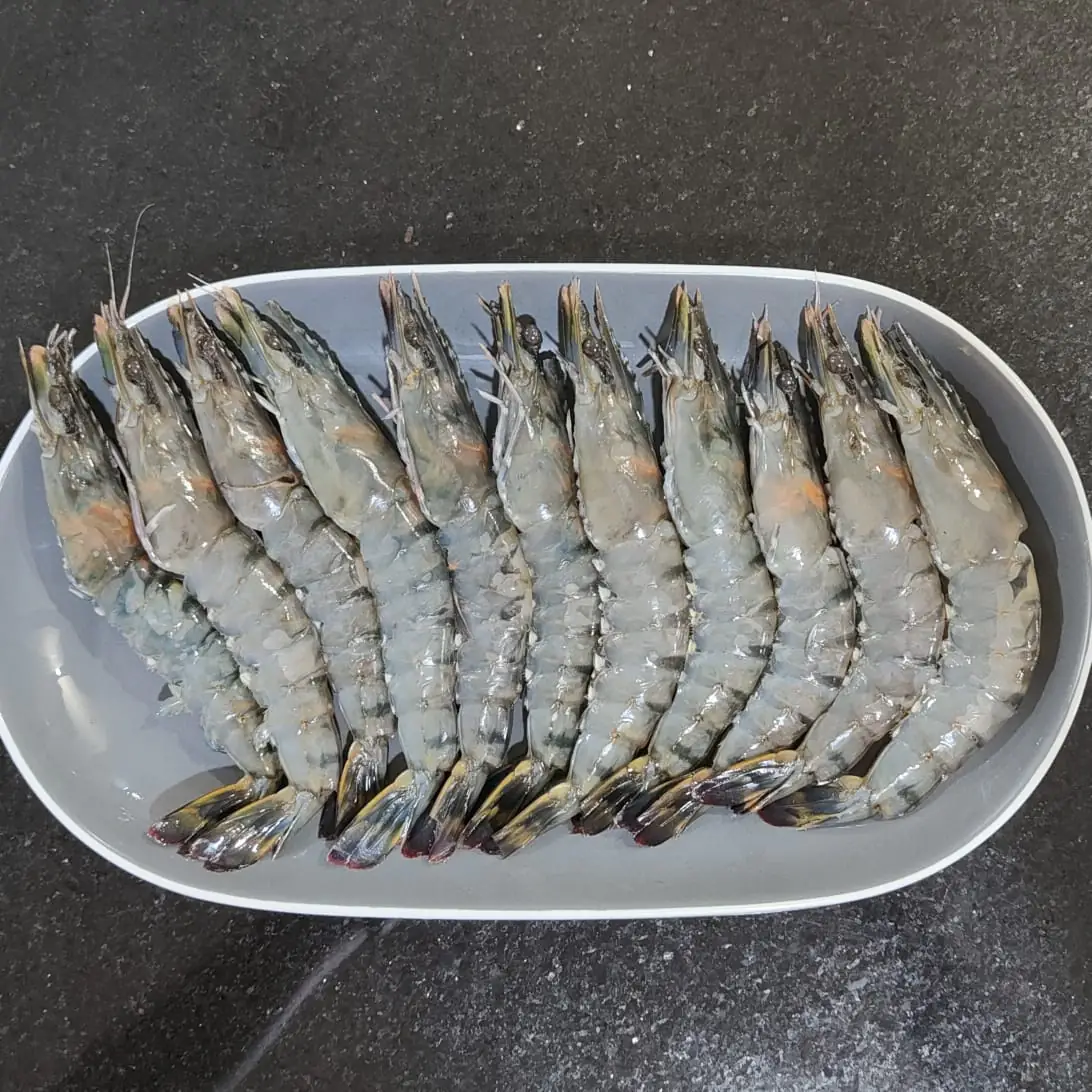
“Showcase ad for fresh IQF tiger prawns that save cost and time”
“UGC ad for tasting a spicy Korean-style dish that rivals Korea”
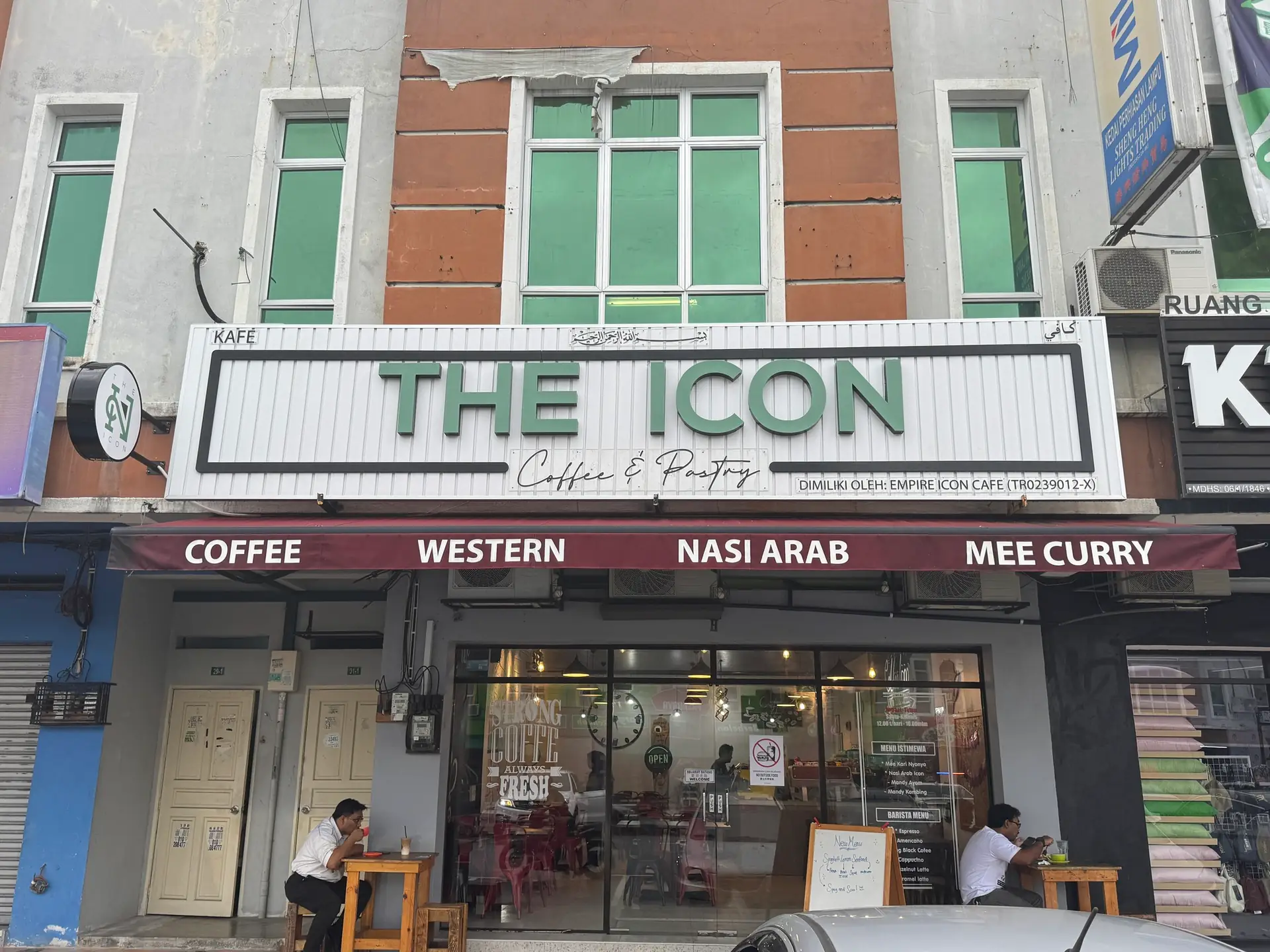
“Showcase ad for a cafe menu from coffee to nasi Arab”
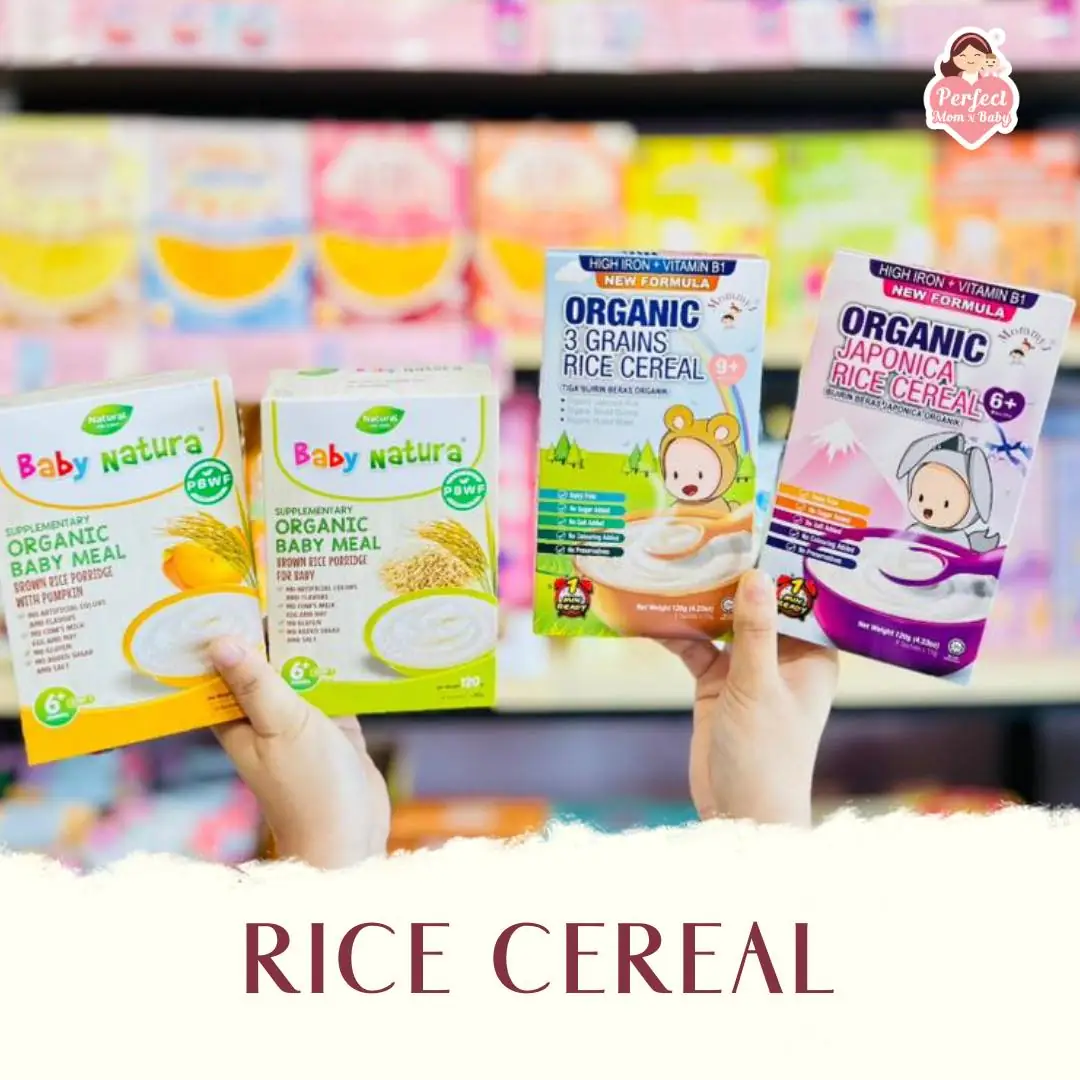
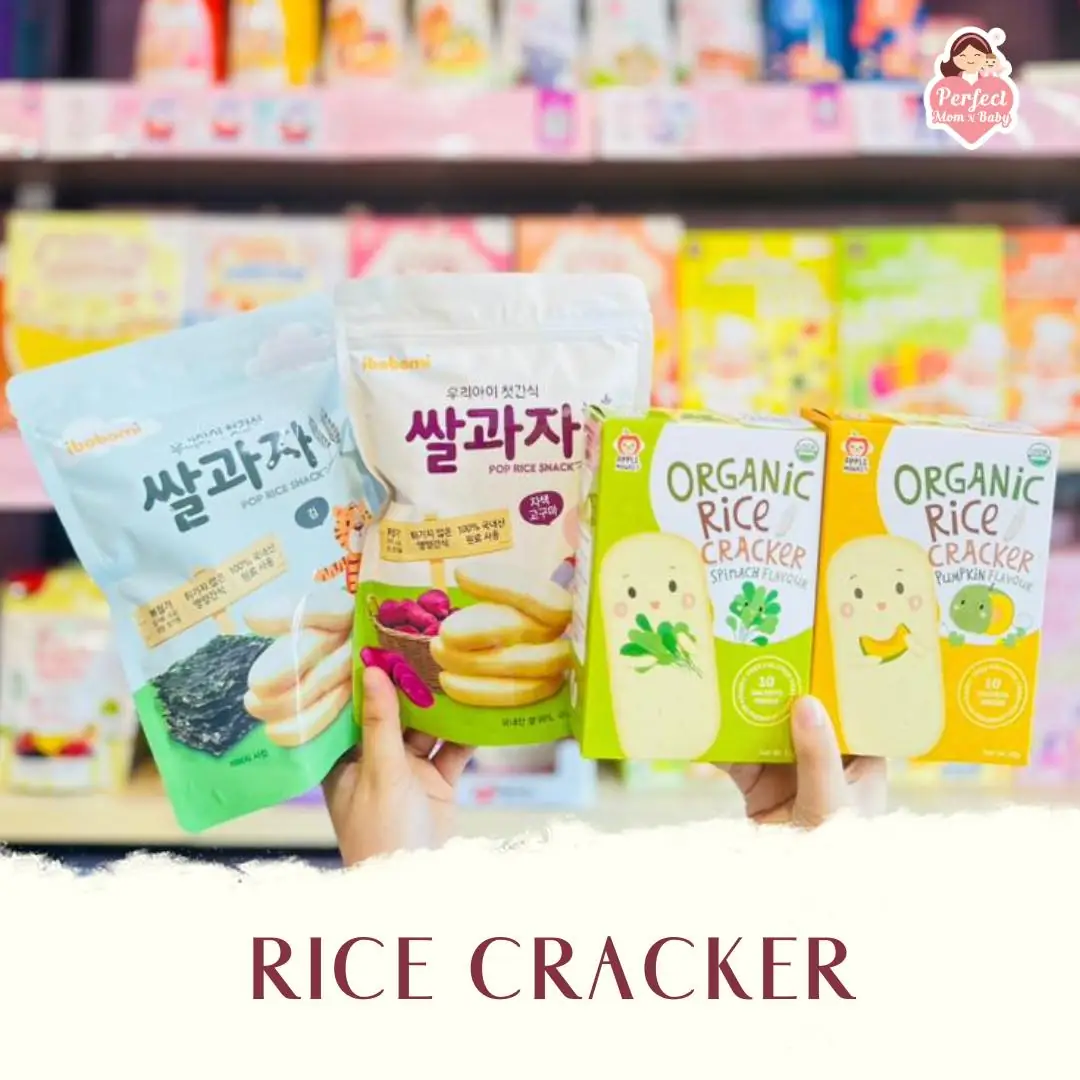
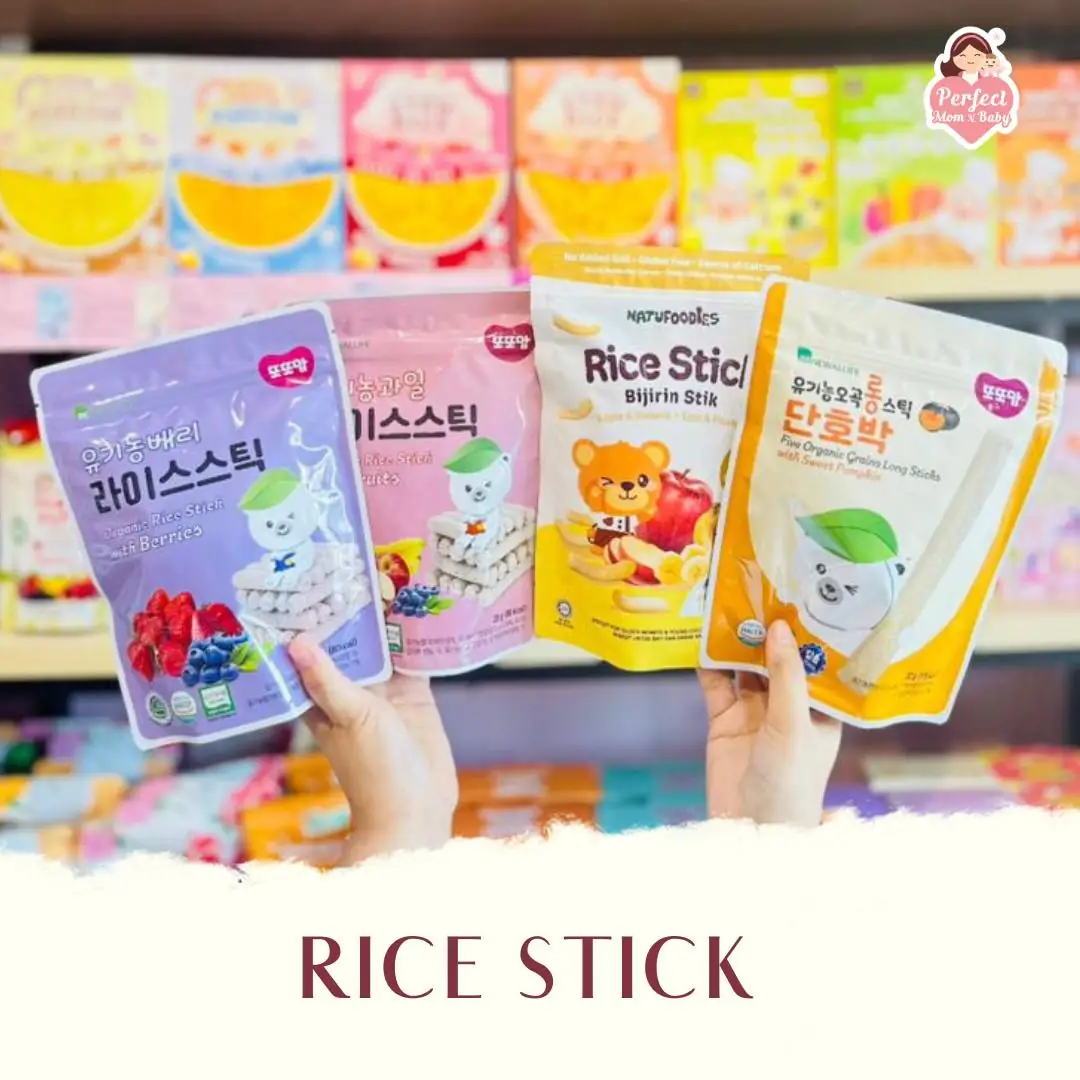
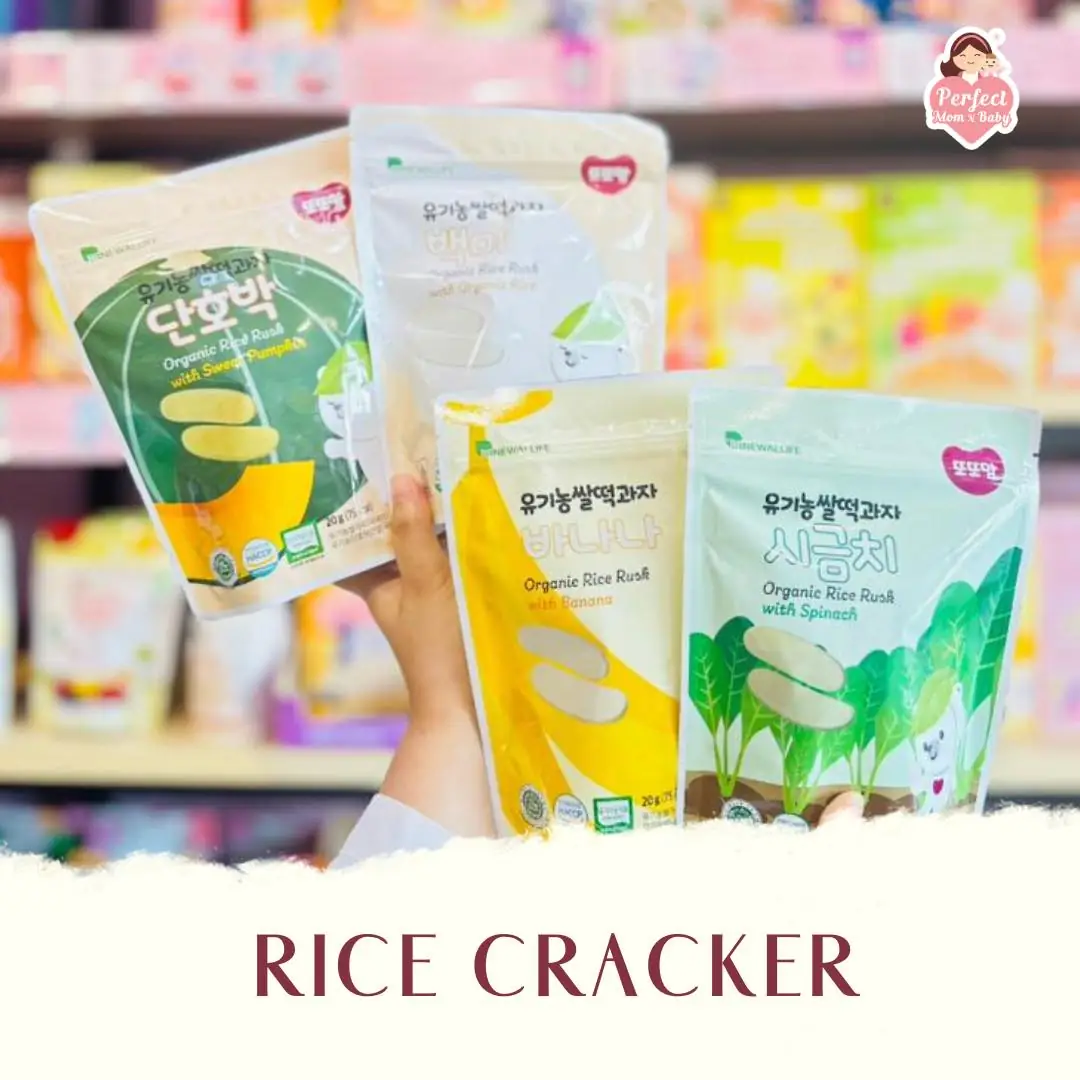
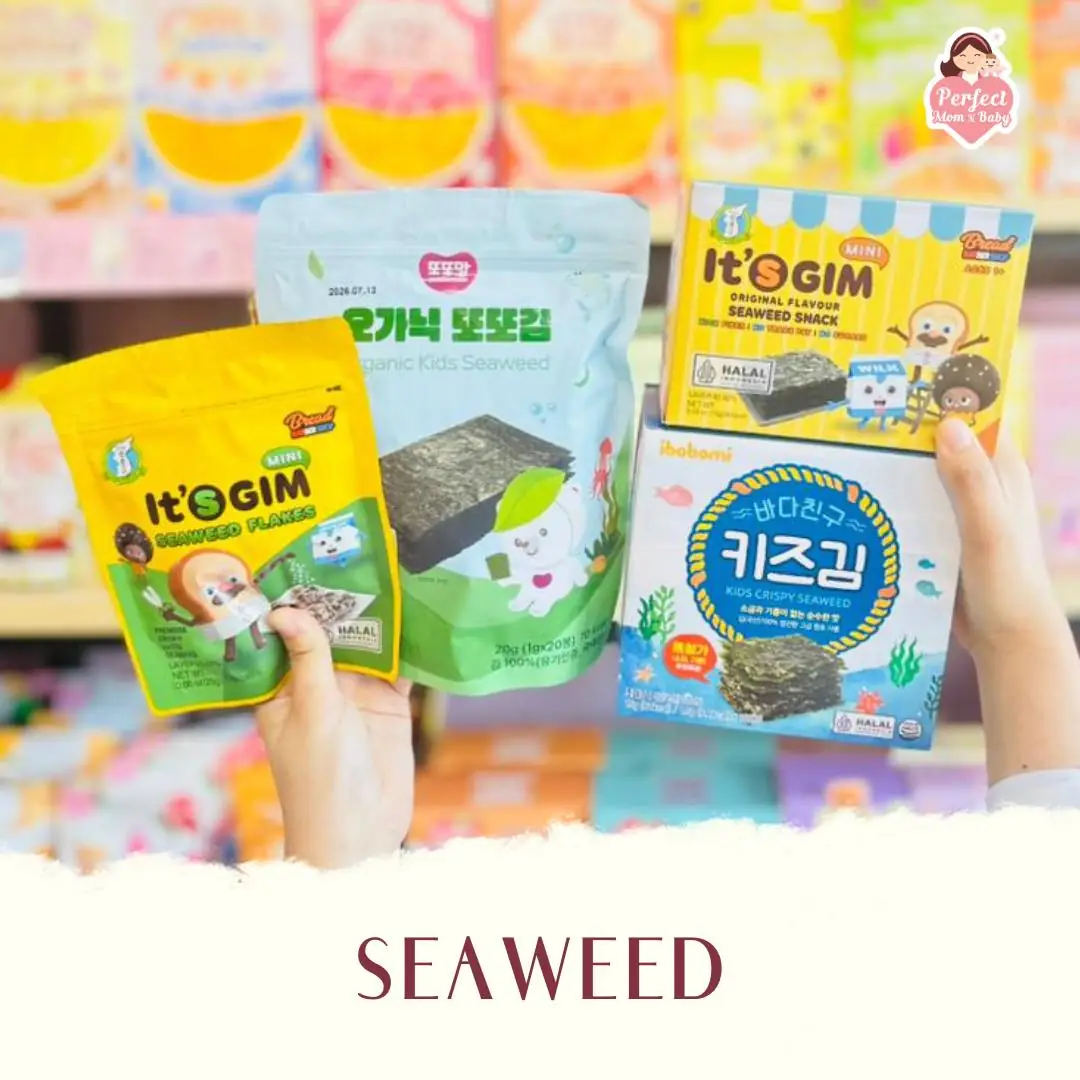
“Showcase ad for a range of organic baby rice cereals”
“UGC ad for no hidden charges, just check the receipt”
By the numbers
Frequently asked questions
When is Deepavali 2026, and when should a Malaysian food brand start advertising?
Deepavali falls on Sunday 8 November 2026. The substitute public holiday is Monday 9 November, observed everywhere except Kedah, Kelantan, Sarawak and Terengganu, and Sarawak does not gazette the festival day itself. Food buying runs ahead of the date rather than on it, because sweets, hampers and the groceries for an open house have to be bought and delivered first. Malaysian grocers time it that way already: Billion ran its Deepavali promotion from 9 to 26 October 2025, eleven days before the festival through to six days after. Brief in September, have creative approved by mid-October, and put the first wave live in the last week of October so your ad sets have settled before the 11.11 advertisers arrive in the first week of November.
Deepavali and 11.11 are three days apart in 2026. How do I sequence the two offers?
Treat them as two offers rather than one long sale, because the rules require it. One cheap sale price may run for a maximum of 31 days, a sale longer than three days requires written notice to the Controller of Trade Descriptions no later than the day before it begins, the advertisement has to state the sale duration, and extending a sale means re-notifying and offering a deeper discount than before. A flat price held from Deepavali through 11.11 at the same depth therefore does not work. The commercial logic points the same way. Deepavali buying is occasion buying that finishes before 8 November, while 11.11 is marketplace buying that peaks on the Wednesday. Run the festive offer, close it, then open a distinct and deeper 11.11 offer on separate creative.
What food and beverage offers convert best at Deepavali in Malaysia?
Occasion structures, not percentage cuts. A gift-with-purchase threshold works because the shopper is buying anyway and a festive tin is a gift she does not have to wrap. A hamper or gift set needs a stated ringgit price and a visible contents list, because the actual decision is whether it looks generous enough to hand over. Catering and delivered-buffet offers sell the open house rather than a dish, and they come with a real deadline attached. Pantry stock-up offers on sauces, coffee and frozen seafood sell the preparation in the weeks before the day. Restaurants do best with a set menu at a fixed price or a clear spend threshold. In every one of them the price is a fact stated in the ad, not the headline of it.
What do Meta ads cost in Malaysia around Deepavali and 11.11?
Nobody has published a dated Malaysian CPM benchmark that discloses a sample size, a data period or a collection method, and the ranges quoted on local agency websites are price lists rather than measurements. What can be cited honestly comes with its geography attached. Superads' global benchmark, an aggregate of 21 named countries that does not include Malaysia, put Facebook CPM at a November 2025 peak of US$24.26, roughly 28.7% above July 2025, against a median of US$20.59 across the thirteen months to July 2026. Its United States series, built on more than US$3 billion of spend, peaked at US$27.47 in the same month. Use those for the shape of the November climb only. The one Malaysian number you own is your own account's cost per result in November against September.
Can I describe my Deepavali sweets or hamper as halal, vegetarian or vegan?
Only JAKIM or a state Islamic religious authority certifies halal in Malaysia, and you may describe a product as halal in an advertisement only if it holds that certification. Vegetarian, vegan and halal are three different claims resting on three different bases, which matters at Deepavali because a great deal of festive food is vegetarian and it is tempting to let the two blur into each other. The penalties are not small. Under the Trade Descriptions Order (Halal Definition) 2011 a body corporate faces up to RM5 million, rising to RM10 million for specified offences, and a non-corporate trader up to RM1 million or three years. The Certification and Marking of Halal order carries its own separate schedule. State the claim you actually hold and nothing beyond it.
What health claims are banned in Malaysian food advertising?
Section 17 of the Food Act 1983 and sub-regulation 18(6) of the Food Regulations 1985 apply to advertisements as well as to labels. You cannot claim a food prevents, reduces, treats or cures a disease. The Health Ministry has named specific prohibited phrases, among them that a product helps lower blood pressure, removes toxins from the body, increases metabolism, controls insulin production or reduces obesity. The penalty is a fine of up to RM10,000 or imprisonment of up to two years. In an October 2019 enforcement operation the ministry inspected 506 food premises and seized 2,135 products worth RM60,494.53, and it worked with MCMC and social media administrators to restrict access to non-compliant sites, so the reach extends to what you publish online.
Should I target only Malaysian Indian audiences for Deepavali food ads?
No. Deepavali is a national public holiday everywhere except Sarawak, and the substitute Monday is observed in most states, so the people who are off work, hosting, eating out and buying gifts are far wider than the core community. Malaysia's Indian community is the heart of the festival and deserves creative written for it rather than at it, but the festive food audience also includes colleagues buying office hampers, neighbours invited to an open house, and anyone with a long weekend and a table to fill. Build audiences on behaviour you can observe, such as past buyers, hamper page viewers and catering enquiries, rather than on an ethnicity proxy. Exclude Sarawak from holiday-specific copy, and note that Kedah, Kelantan and Terengganu do not take the Monday.
Are the example ads on this page running for Deepavali right now?
No. They are representative angles from real Malaysian food and beverage brands, shown to illustrate what the category converts on rather than to report what is in the feed today. Read them for structure: where the ringgit figure sits, how a hamper's contents are laid out across carousel frames, which reassurance the brand chooses to lead with, how a restaurant frames a set menu. That is what travels to a Deepavali campaign. The free Meta Ad Library will show you which ads a page is running at this moment, but it publishes no performance data for ordinary commercial ads, so how long an ad has been live is never evidence that it worked.
Sources
- 1.PublicHolidays.com.my, Deepavali in Malaysia (2026)
- 2.EverydayOnSales, Billion Malaysia Deepavali Day Special Promotion, 9 to 26 October 2025 (2025)
- 3.EverydayOnSales, Lazada Malaysia 11.11 Biggest Sale, 10 to 13 November 2025 (2025)
- 4.Superads, Facebook Ads CPM Benchmarks, All Countries (2026)
- 5.Superads, Facebook Ads CPM Benchmarks, United States (2026)
- 6.Malay Mail, Health Ministry warns against misleading advertisement of food products (2019)
- 7.KPDN, Trade Description Enforcement (2026)
Keep exploring
Turn ad research into winning ads
See what 16,000 Malaysian brands advertise, then generate on-brand creative, all in one tool.
7-day free trial · No credit card required