
Hari Raya Travel Ads in Malaysia (2027)
Hari Raya Aidilfitri falls on 10-11 March 2027. What Malaysian travel brands can actually sell around a balik-kampung week, and the return leg most miss.
Updated January 2027 · Xanny Lee, CEO
Hari Raya Aidilfitri falls on Wednesday 10 and Thursday 11 March 2027, a date confirmed by moon sighting, and the travel demand around it is a migration home more than a holiday booking: visiting relatives and friends was the main purpose of 35.6% of all domestic trips in Malaysia in 2025, the single largest purpose recorded (DOSM, 2026). Almost nothing in that journey is for sale, because the house is free and the car is already owned. What is for sale sits beside it: the overflow room when the house runs out of beds, the day out taken from the kampung, and the stop on the drive back. Build two flights of creative instead of one, because everyone who drives out drives home again, and the return week is the half most Raya campaigns never fund.
Raya travel does not start with a booking. It starts with a WhatsApp group settling which day everyone leaves, a car going in for a service, and a tank filled at 5am so the family clears Gombak before the queue builds. Nobody in that chain buys a room. The house is free, the seat was bought months ago, and the biggest travel week of the Malaysian year passes with almost no travel purchase attached to it. Hari Raya Aidilfitri is published for Wednesday 10 and Thursday 11 March 2027, and the trade around it belongs to whoever sells what attaches to the drive: the overflow room when the house runs out of beds, the day out taken from the kampung on the fourth morning, the halfway stop on the way back, and the pilgrimage a family finally agrees on while it is all in one place.
Malaysia's biggest travel week sells almost nothing
Balik kampung is the largest movement of people the Malaysian year produces, and the national accounts describe it plainly. Visiting relatives and friends was the main purpose of 35.6% of all domestic trips taken in Malaysia in 2025, the single largest purpose in the survey (DOSM, 2026). That is the statistical shape of balik kampung. It is not a destination choice. It is a return to a fixed address that has been in the family for decades, and the only real decision in it is which day to leave. Look at where the money lands and the picture sharpens. Malaysians spent RM121.3 billion on domestic tourism across 2025, up 13.6% on the RM106.7 billion spent in 2024, and 13.5% of that went on automotive fuel, third behind shopping at 36.9% and food and beverages at 16.1% (DOSM, 2026). A season that routes that much of its spend into fuel tanks moves people by car, and a car journey holds almost no purchase a travel advertiser can compete for. The two things carrying the most people over Raya are structurally unsellable. The car is in the porch and was paid for years ago, so no ad sells a journey somebody was making anyway in a vehicle they already own. The train is a fixed-supply product with one booking channel, and its Raya-window seats are allocated long before a campaign brief exists. Buying reach against inventory that is already gone earns disappointed clicks and a comment section asking why the site says sold out. Now look at the paid creative behind all of it. Of the 32 Malaysian travel ads collected for this category, 14 are pilgrimage creative and 18 are resort, villa and ticket creative (AdPlay.ai archive, 2026). Not one is a balik-kampung ad. No bus operator, no rail campaign, no petrol brand, no rest stop, no road-trip creative of any kind sits in the pool. That gap is the market being honest with itself. Some 290.1 million domestic visitors moved inside Malaysia across 2025 (DOSM, 2026), and only a slice of them bought anything a travel advertiser sells. The slice is the whole opportunity here, and it is narrower and more specific than most Raya briefs assume. A brief that opens on the size of the migration and closes on a generic getaway offer has quietly assumed the two numbers are related. They are not. The migration is enormous and mostly free. The market beside it is small, local, and buyable only at the edges of the journey.
Two peaks, and a February that stacks
The 2027 calendar hands travel a shape, and it reads best in two halves. Start with the published dates. Hari Raya Aidilfitri falls on Wednesday 10 and Thursday 11 March 2027. Awal Ramadan 1448 is published for Monday 8 February 2027, a public holiday in Johor and Kedah. Chinese New Year lands on Saturday 6 and Sunday 7 February, both on the weekend, with the substitute holiday on Monday 8 February in most states, Kedah excepted. Hari Raya Haji follows on Monday 17 May 2027 (PublicHolidays.com.my, 2026). Islamic and lunar dates walk roughly eleven days earlier each year and are confirmed by moon sighting, so treat every one of them as the published date and re-check before spend is committed. February does something unusual this cycle. The reunion drive and the first day of fasting land in the same week, one directly after the other. A household is on the road for one migration on the Saturday and beginning the fasting month on the Monday. For a travel operator that compresses the briefing window hard: the campaign meant to open with Ramadan has to be finished and approved while Chinese New Year traffic is still clearing the highways, and while half the people who sign it off are on leave. March then splits in two. Aidilfitri on a Wednesday and Thursday leaves Friday 12 March an ordinary working day, so one day of leave buys 10 to 14 March off. Departure loads onto the weekend of 6-7 March and the two working days before the holiday. The return is a separate event with its own date, spread across Friday 12 to Sunday 14 March for the short trip and the following weekend for families taking the whole week. That is a planning assumption drawn from the published dates, so check it against your own booking records from last cycle before you weight budget to it. The working week is not uniform either. Johor, Kedah, Kelantan and Terengganu run Sunday to Thursday, so the weekend before Raya falls on Friday and Saturday there and the departure curve opens a day earlier. The distance between those two peaks is the planning point. Most Raya travel campaigns are built for the drive out and go quiet the moment the holiday starts, which hands the return week to whoever bothered to buy it. Size the window honestly too. The average domestic trip in Malaysia ran 2.56 nights in 2025 (DOSM, 2026), and a Raya trip is nothing like an average domestic trip: a family that leaves on the Saturday may not be home for nine days, and a campaign scheduled to a two-night pattern will have stopped delivering before they turn the car around.
The one week the whole family sits in one room
A pilgrimage is a household purchase, not an individual one. Three or four adult children who live in three different states, the parents whose trip is being discussed, and a cost that can be divided by five in a single afternoon. Raya week is the only week of the year that assembles all of them in the same place, and the conversation happens on a mat in the kampung house with everyone present. No browser is involved. The week also puts the money in the open. A household talks about what it earned, what it owes and what it can afford in front of each other roughly once a year, and it does that here. A figure that looked impossible when one person read it alone in October becomes a number five people can split in March. That is why the pilgrimage decision so often dates from this week and so rarely from any other. So the audience during Raya week is not the pilgrim. It is the organiser: the adult child who holds the family group chat, books the flights and will carry the largest share of the cost. The messages that land are the ones answering what siblings ask each other. Who travels with our mother. What happens if her knees give out on day three. Whether the payment can be staged across several months. A brochure answers none of that, and a brochure is what most pilgrimage creative becomes when the season is ignored. Nothing departs that week, and that changes the shape of the flight. A Raya-week pilgrimage ad carries no departure date and no countdown, because urgency in that room reads as pressure and nobody is deciding against a deadline. Its job is to be present and forwardable: one legible image the eldest sibling can drop into the family group without having to explain it, landing on a thread the whole family can read instead of a form only one person filled in. Everything else pilgrimage creative has to carry belongs to the category rather than the season. The per-pilgrim price in ringgit, the distance from hotel to mosque in metres, the named custodian who meets an elderly parent at KLIA, and the licensing and advertising approvals that apply to Umrah and Ziarah packages are all set out in our guide to travel and tour Facebook ads in Malaysia. What Raya adds on top is the venue and the timing. Hari Raya Haji on Monday 17 May 2027 is the next fixed point in the same family's year, which gives the follow-up a natural horizon to work towards.
What is actually buyable around the drive
Start from what the house cannot absorb. A kampung home is free accommodation until it runs out of beds, and then a family that never intended to book anything needs a room within twenty minutes. That is the accommodation demand this season creates on its own, and it goes to whoever is visible in the right state at the right hour. Homestays, guesthouses and small hotels in Kota Bharu, Alor Setar, Kuala Terengganu and Kuantan sell into demand that arrives with the traffic. The targeting has to follow the traveller, not the billing address. Run two audiences. One sits in Klang Valley, Johor Bahru and Penang across the fortnight before departure, planning ahead for relatives who will not fit. The other sits inside the destination state during Raya week itself, because a real share of this demand is discovered on arrival. Location targeting set to people who live in your state misses that second audience completely, and it is the one holding a phone with nowhere to sleep. Write the creative to answer what the enquiry will ask. A Raya homestay enquiry is barely about price. It is about capacity and logistics: how many mattresses, whether fourteen people fit, whether the kitchen can be used, whether there is a gate, how far the surau is. Put those answers in the ad. An enquiry that arrives knowing them closes on the first message. One that does not becomes a twenty-message thread on your busiest day. The week off creates demand of its own. By the third or fourth morning the kampung routine thins out, and an hour's drive to a waterfall, a beach or a paid attraction becomes the day's plan. Sell it to people currently in the state, price it per head, publish the actual figure. A group of nine adding it up in a living room needs a number it can multiply, and a headline that says only "from" gets closed. The return leg is a second product: a break on the drive back, a night in a town halfway, a meal for a car of people who left at dawn. Write the deposit and cancellation terms into that offer, because a moon-sighted date can move by a day and break a two-night booking. Publishing the line costs fewer bookings than leaving it to a phone call. Treat the fortnight after everyone is home as a test. No dated Malaysian auction-cost series exists for that window, so the only honest way to know whether it is cheap is to measure your own. The list is the certain part: a week of enquiries, arrivals and day-trip bookings from people whose kampung will be in the same place next March.
Building a plan a moon sighting can move
Every date on this page is a published date. Two moon sightings sit inside the plan, one opening the fasting month and one closing it, and the second decides whether the holiday is 10 and 11 March 2027 or a day later. A plan pinned to fixed dates breaks twice. A plan written as offsets from the holiday survives both. So write it in offsets. Content deadline roughly six weeks out, late January 2027. Flight one live from the first days of fasting, ending the day before the holiday. Flight two opens on the first working day after. Then keep a single list of every field that breaks when the date moves by a day: scheduled campaign start and end times, any countdown asset, blackout ranges in the booking engine, the holiday auto-reply. Written down in one place, a one-day shift is a fifteen-minute job. Scattered across four tools, it is the reason somebody is editing ad sets at 11pm. Never bake the date into artwork. Put it in the caption and on the landing page where it changes in minutes. Countdown copy reads "before Raya", never a numeric date. A static that says 10 March and runs on 11 March is the cheapest way to look careless in front of an audience you spent six weeks earning. Size the two flights before either starts. Flight one, early February to the day before the holiday, sells what a family buys before it leaves: the overflow room, the day out, the pilgrimage the siblings will discuss. Flight two, from the Friday after, sells the way back and the fortnight that follows. Most Raya budgets pour everything into the first and go dark for the second. Split the money at the planning stage or the first flight quietly eats the second. Get the approvals done in January. The first week of February is not a working week for much of the country: Chinese New Year on 6 and 7 February, the substitute holiday on Monday the 8th in most states, and Awal Ramadan on that same Monday in Johor and Kedah. Anything needing a client sign-off, a licence check or an advertising approval should clear before then. The week-by-week rhythm of a fasting audience is in our Hari Raya ad playbook for Malaysia. The last task belongs to the week after. Write down what actually happened: which state delivered the arrival-week bookings, how many nights the average enquiry asked for, how far people drove for the day out, how long pilgrimage enquiries took to appear once everyone was home. Raya moves about eleven days earlier every year, so none of next year's dates will match this year's. The behaviour will.
Example ad angles
Representative hooks and formats from the category.

“Feature-callout ad for umrah package with hotels 50 to 350m from the mosque”
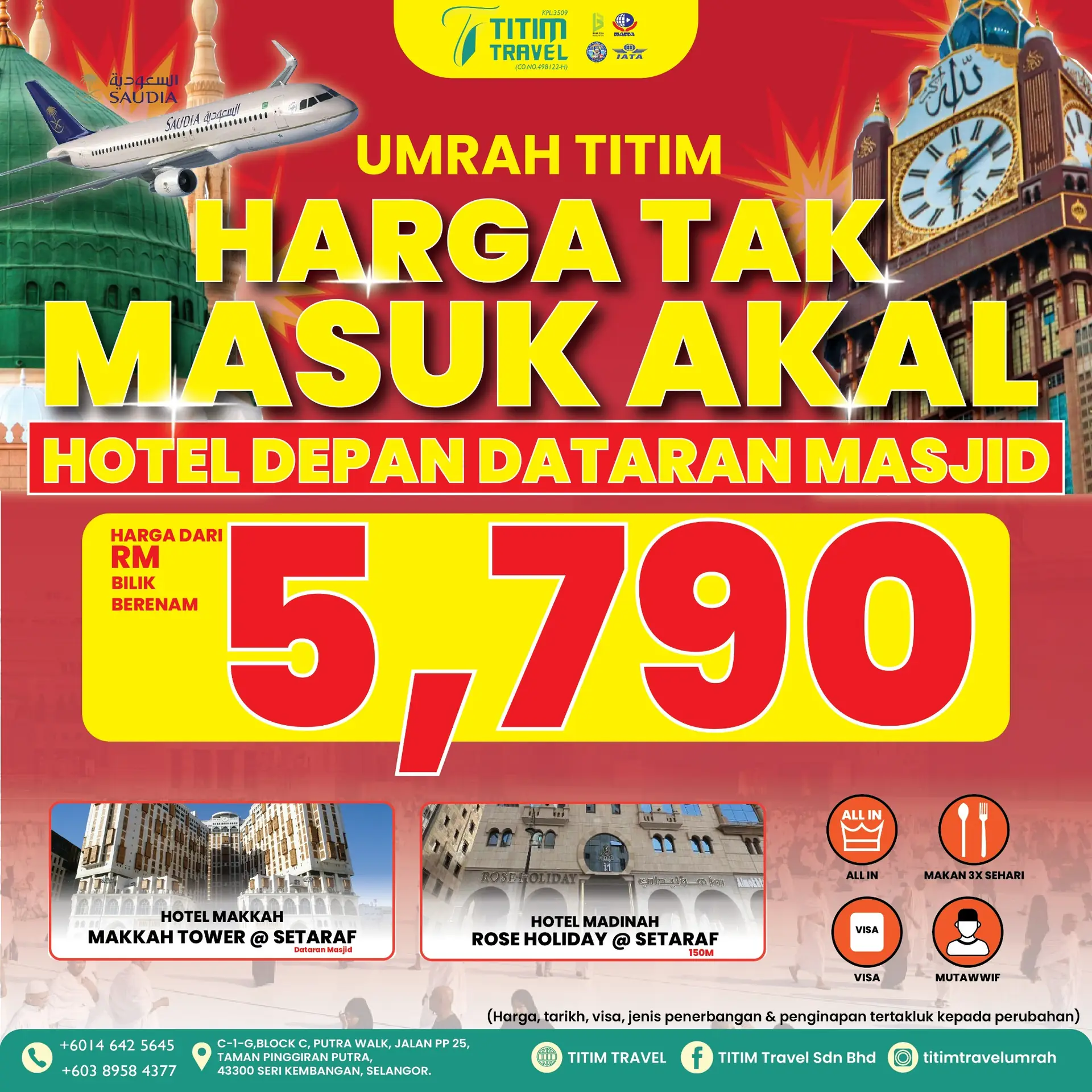
“Discount ad: Umrah package from RM5,790 with hotels facing the mosque square”
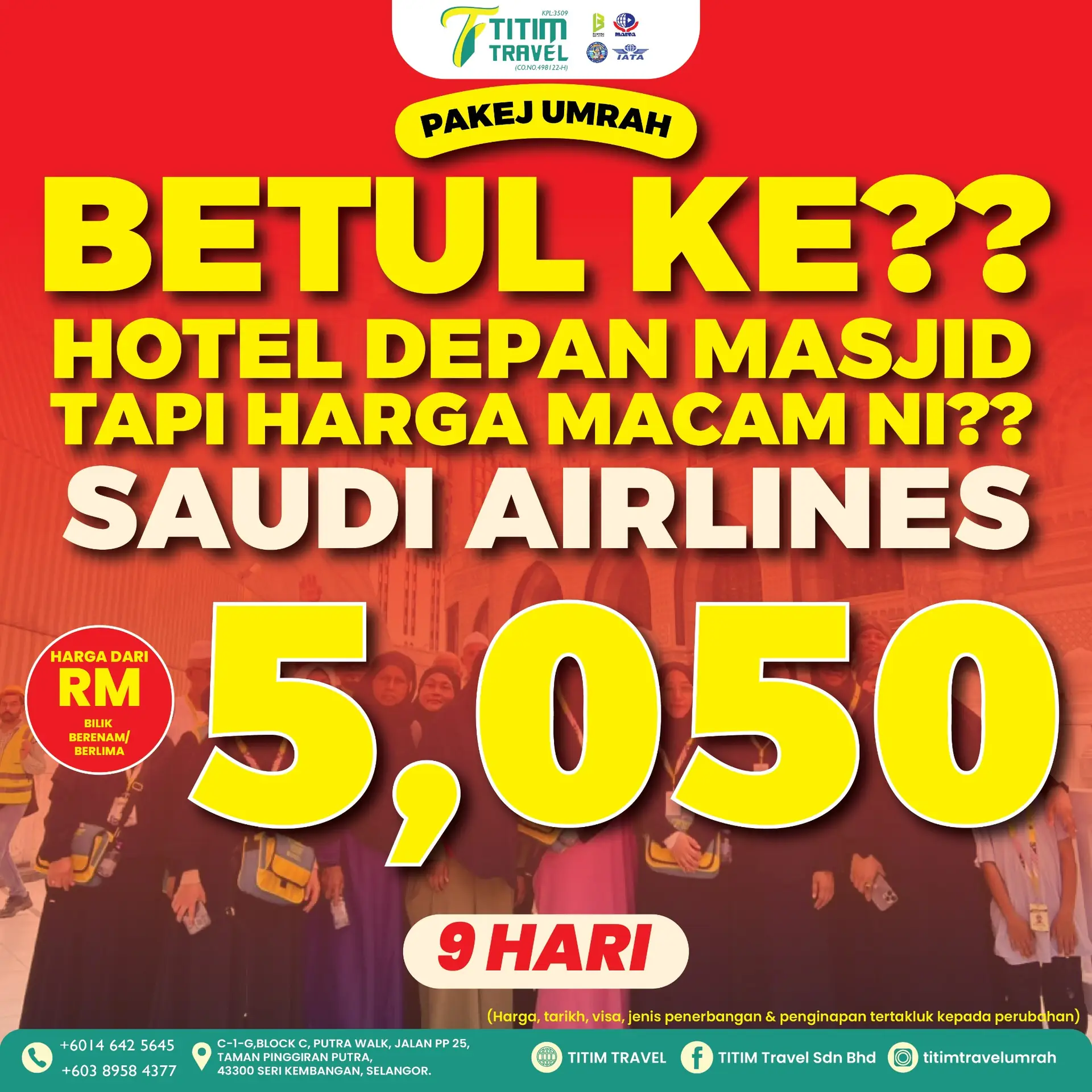
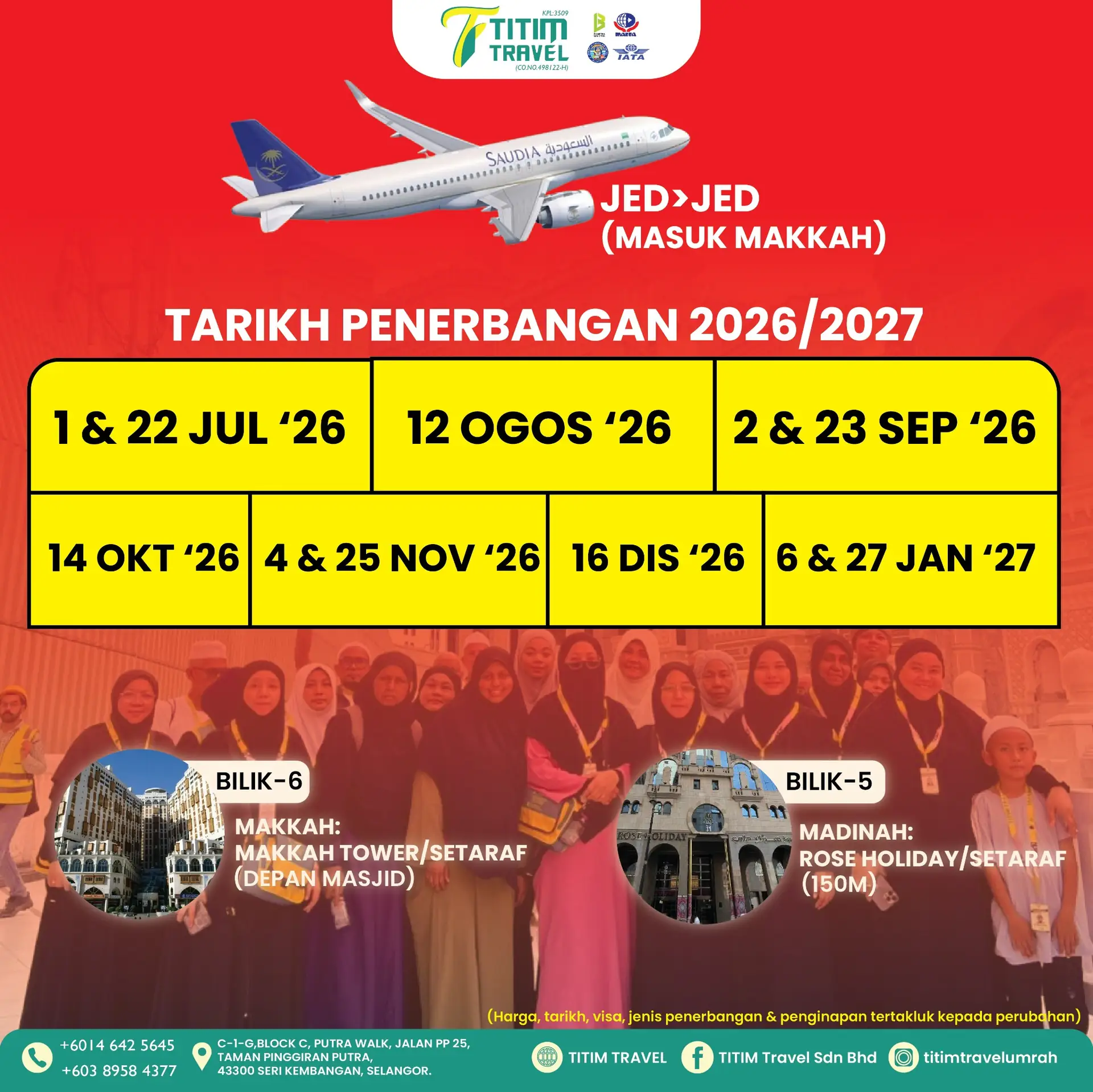

“Curiosity-hook ad for front-of-mosque Umrah hotel at RM5,050, really?”
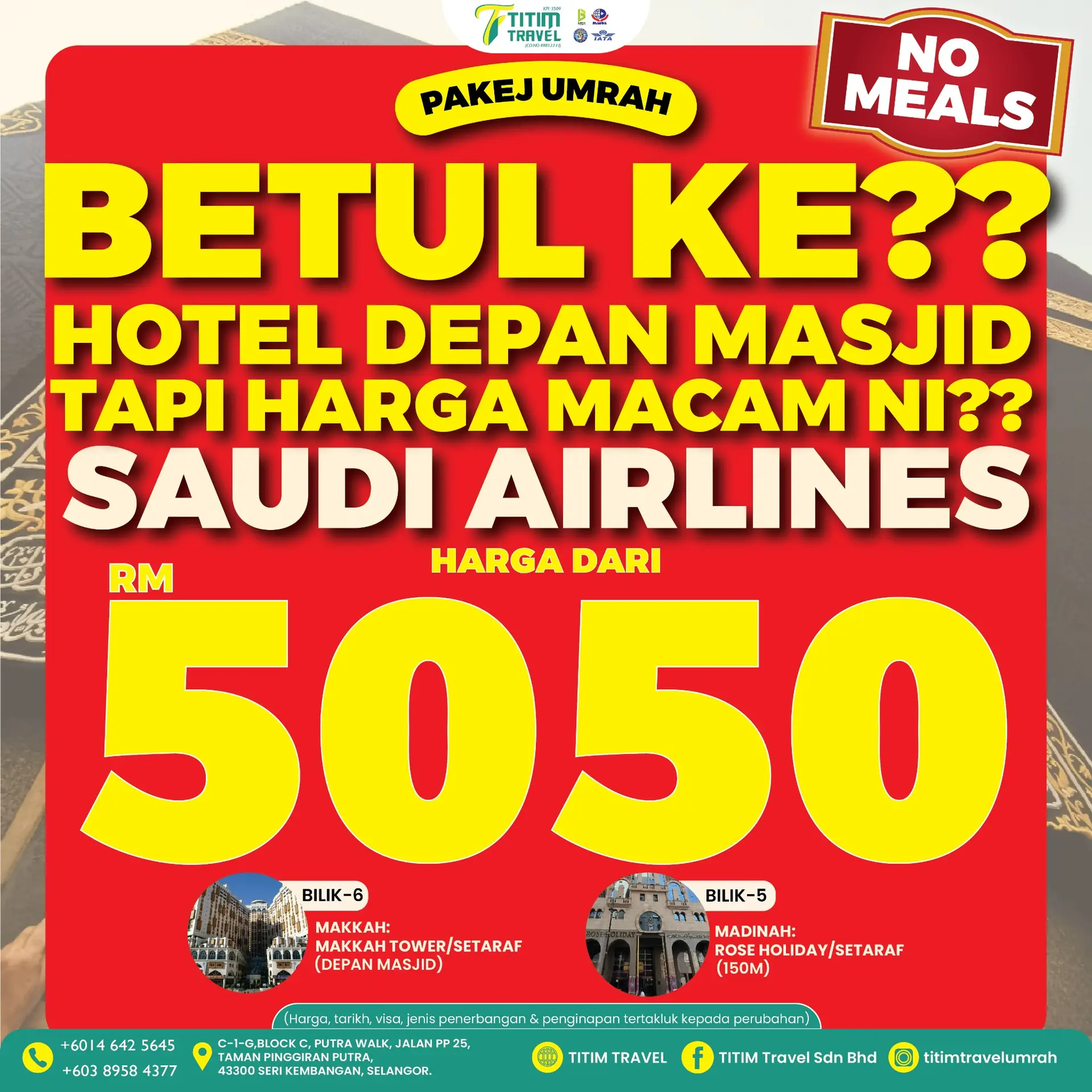
“Discount ad for 9-day Umrah from RM5,050 on Saudi Airlines”

“Testimonial ad for small-group Umrah of 8 to 16 pilgrims”

“Feature-callout ad for elderly-parent Umrah cared for from KLIA to return”

“Discount ad for four Umrah Ziarah package tiers from RM8450”
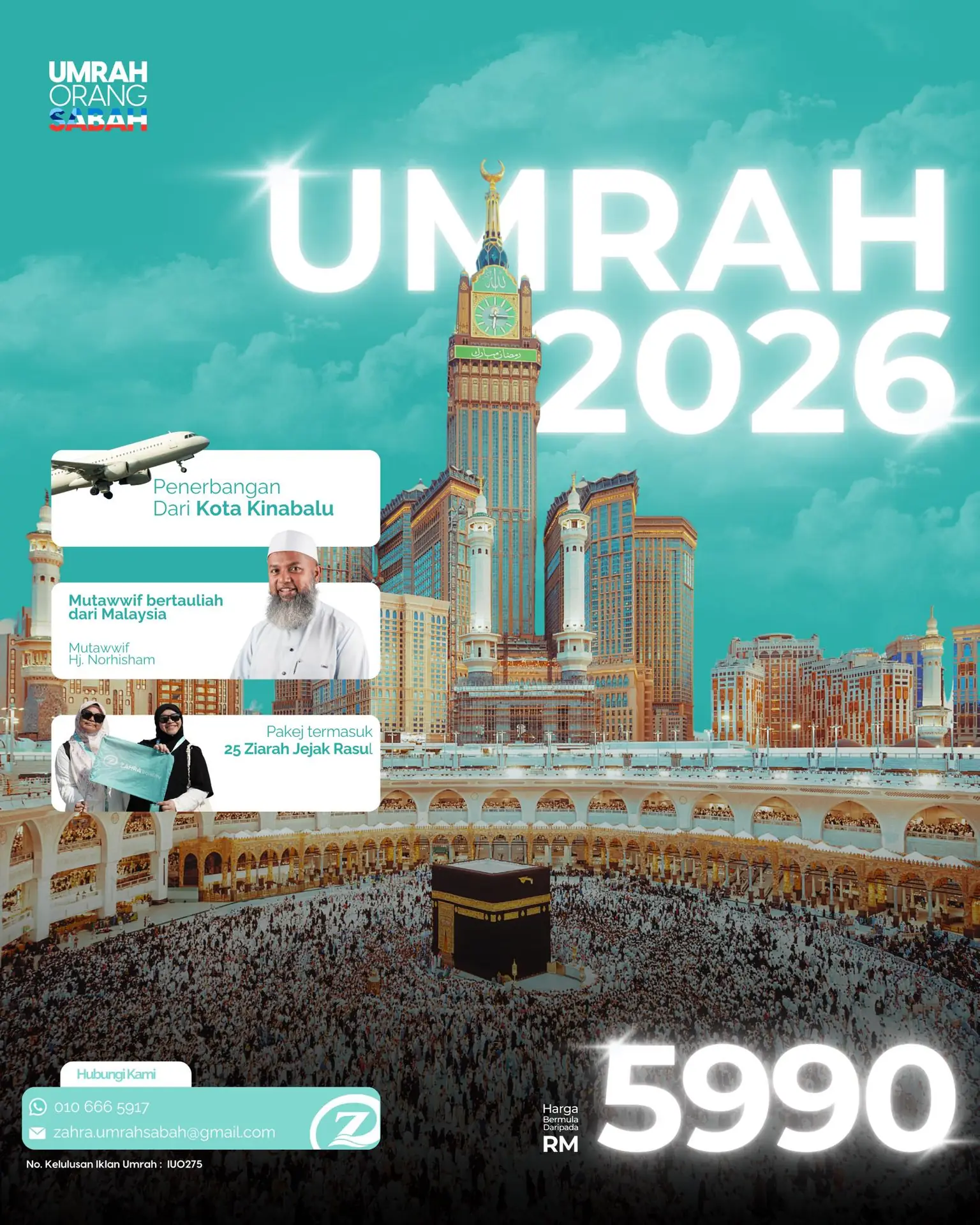
“Announcement ad: Umrah 2026 from Kota Kinabalu, from RM5990”
“Lifestyle ad for Sabah pilgrims praying at the Grand Mosque”
“Feature-callout ad for experienced mutawwif and group leader guidance”
“How-to ad for an Umrah prep course at a Kaaba replica”

“Discount ad for school-holiday Umrah from RM9,090, flight, visa and full board included”
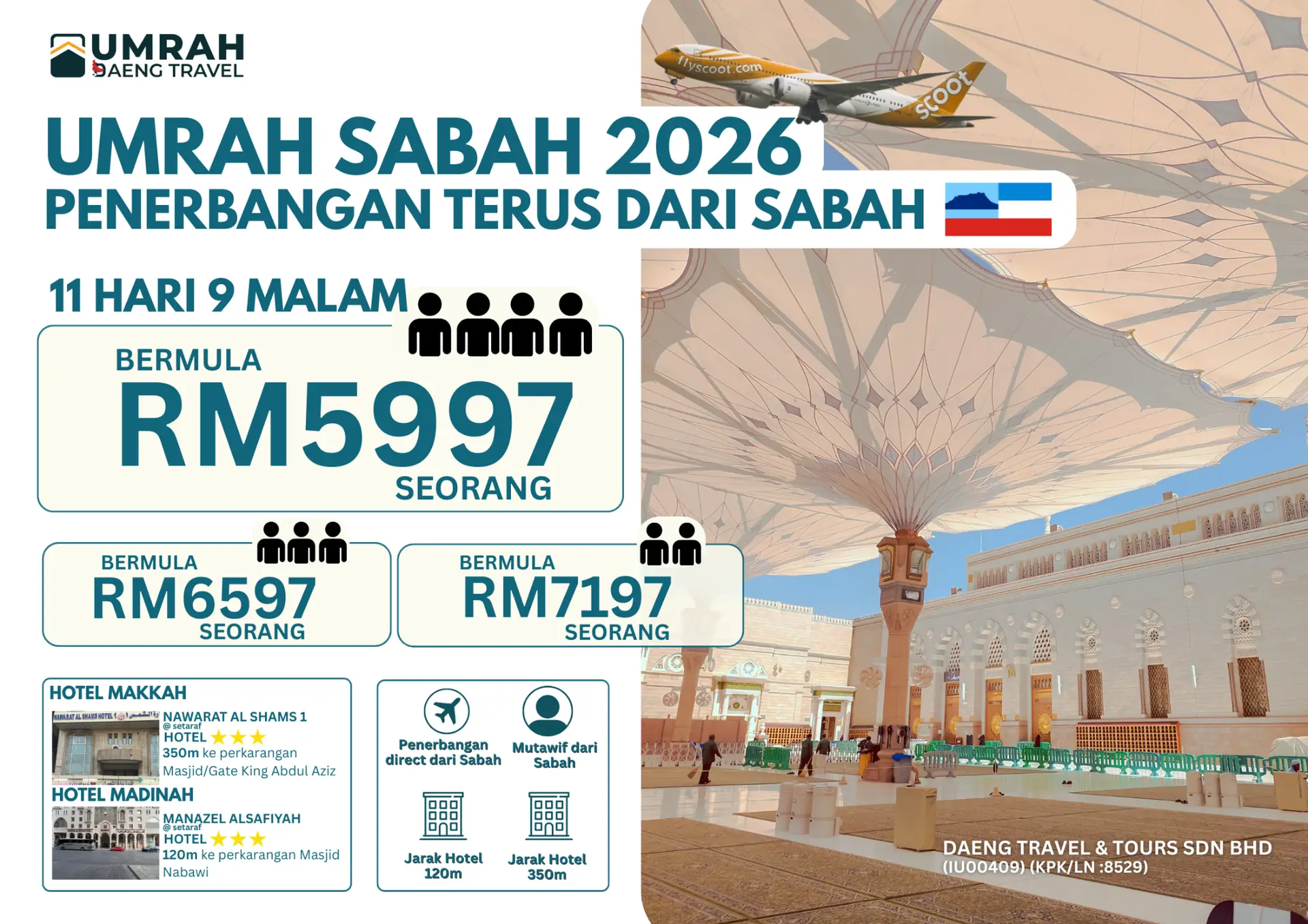
“Discount ad for 2026 Sabah Umrah from RM5,997 with direct flights from Sabah”
“Founder-or-UGC ad for an Umrah package led by an experienced mutawif guide”
“Discount ad: Lexis 11.11 sale, save up to 34% on staycations”

“Discount ad: Lexis 11.11 sale on Port Dickson and Penang stays”

“Discount ad: RM88 off direct bookings with promo code LEXIS88”
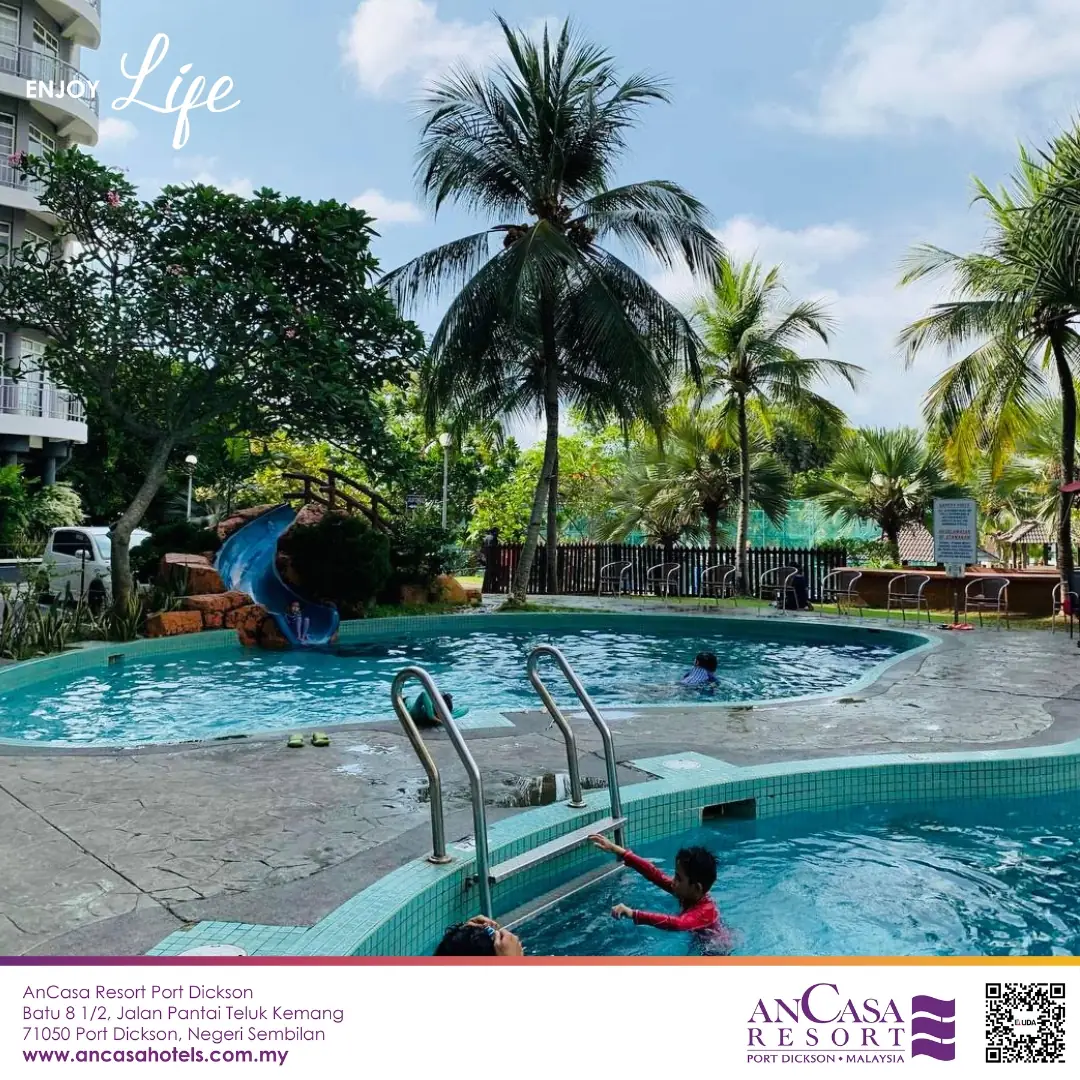
“Lifestyle ad for unwinding poolside at AnCasa Resort Port Dickson”
“Showcase ad for the sea and palm view at The Danna Langkawi”
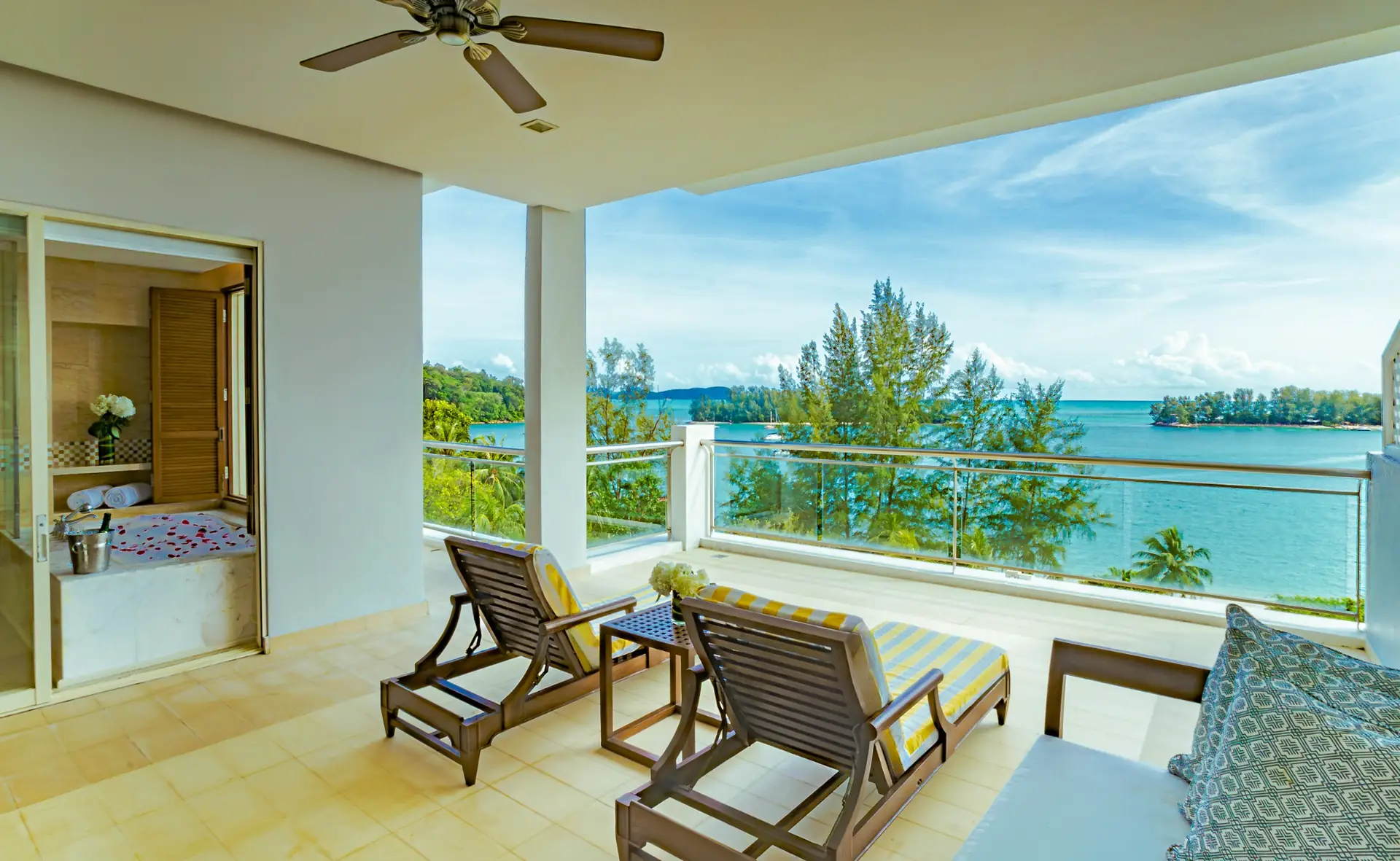
“Showcase ad for a sea-view balcony and loungers at The Danna Langkawi”

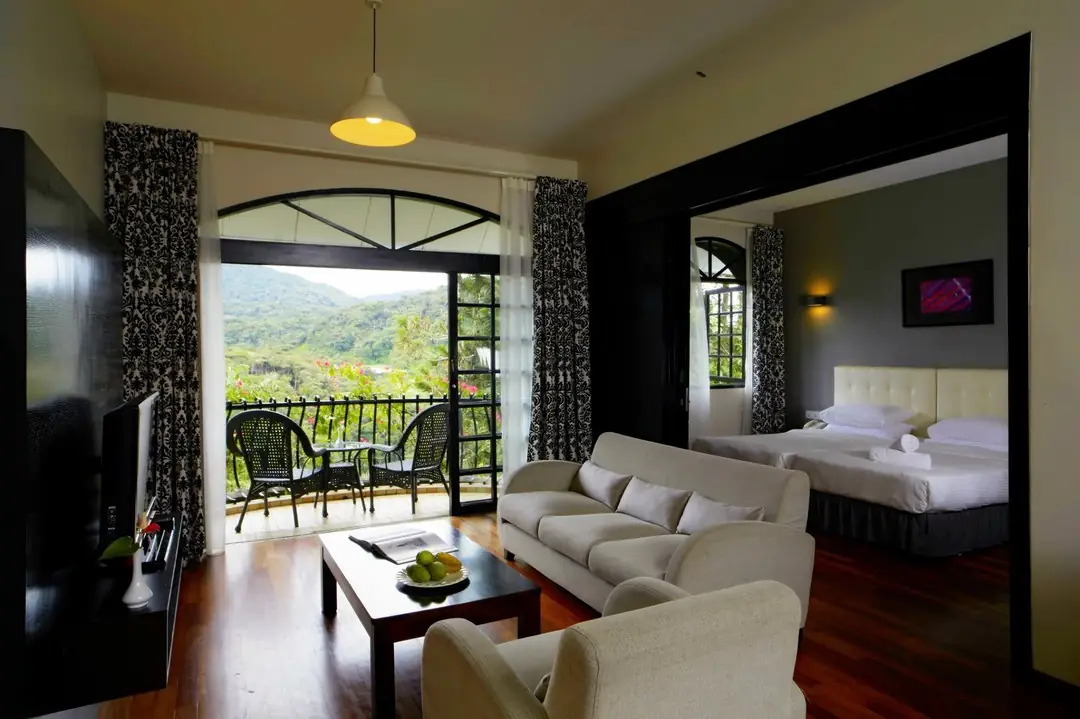
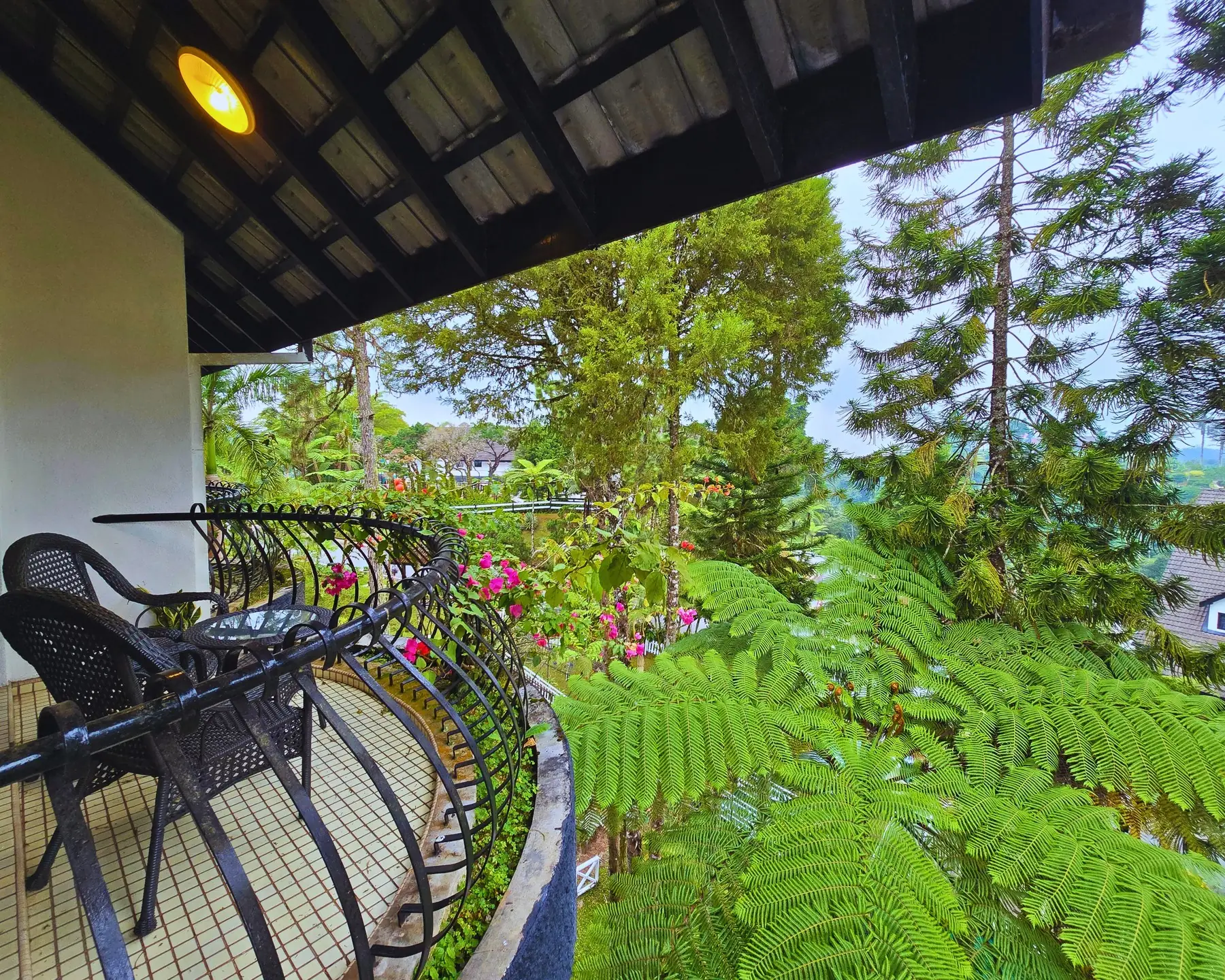
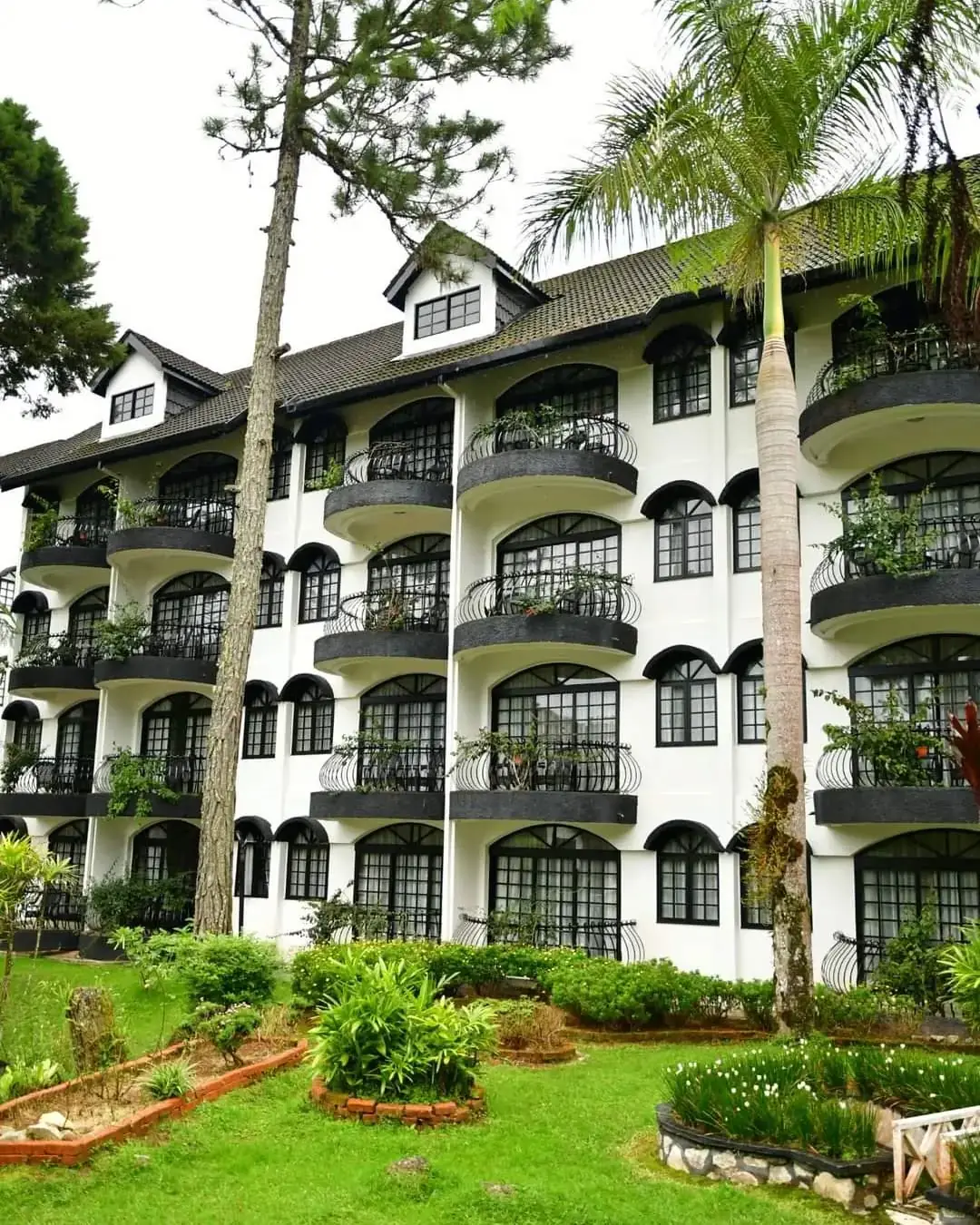
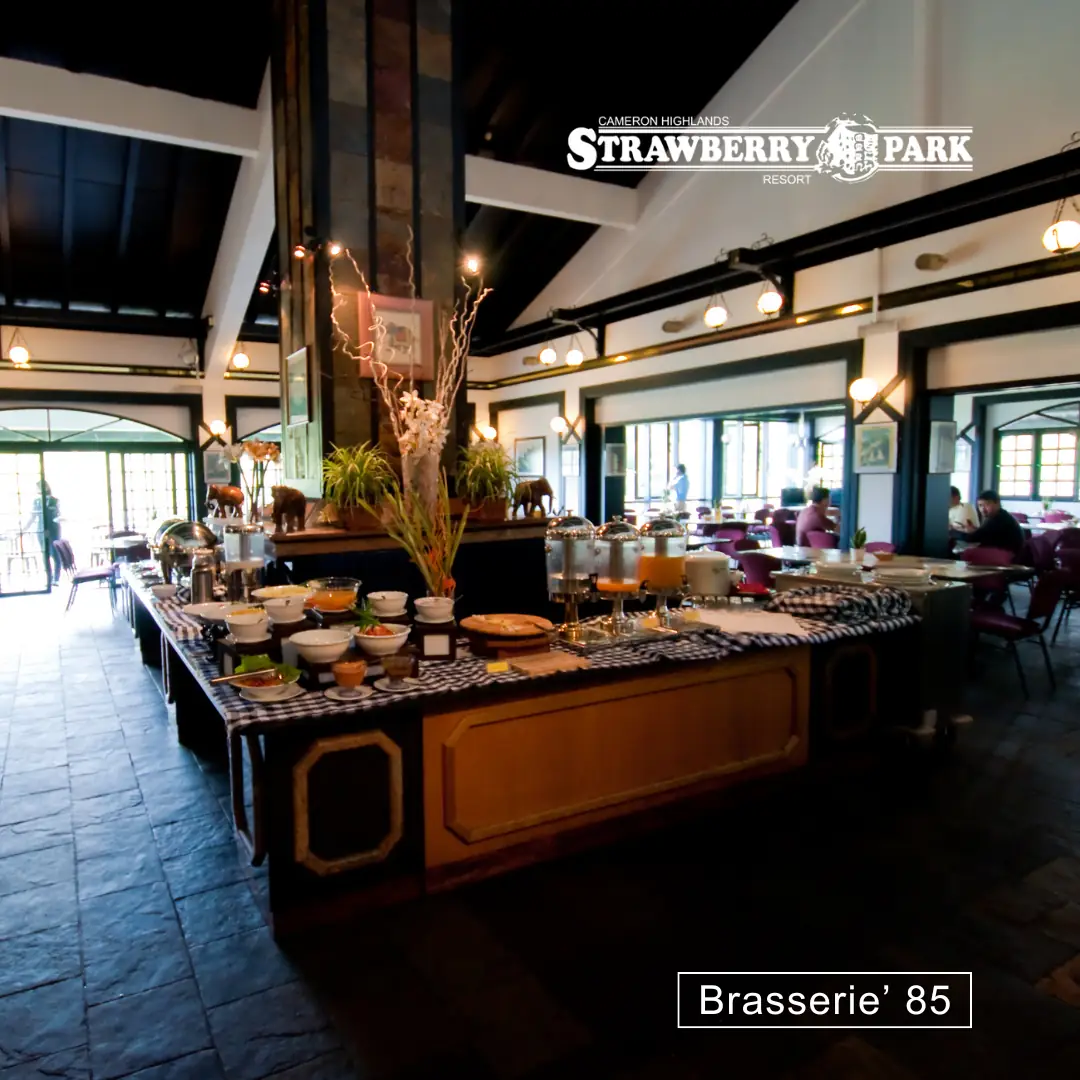

“Discount ad: Cameron Highlands flash deal from RM268 nett per night”

“Showcase ad for a luxury escape suite at Anantara Desaru Coast, book direct”
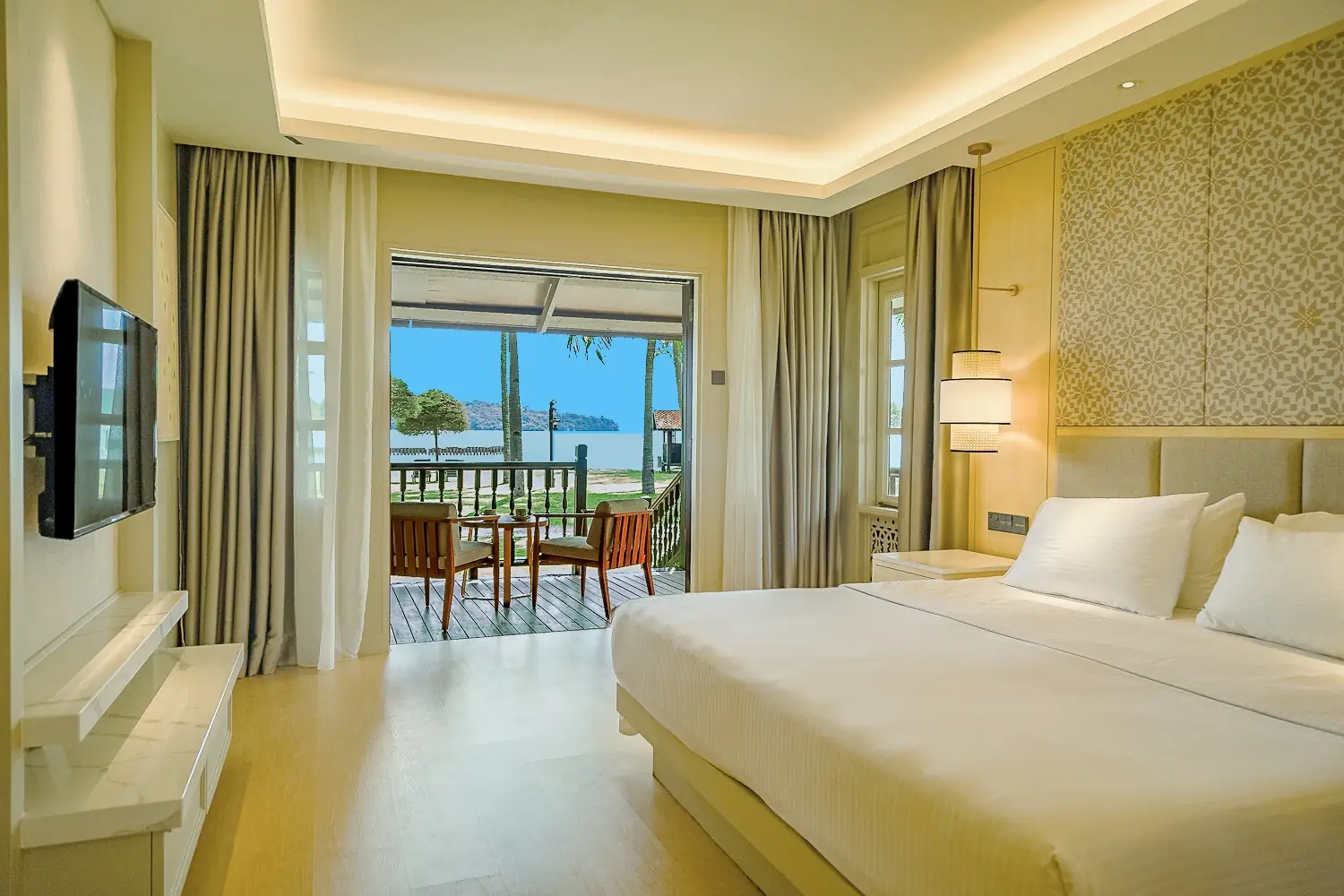
“Showcase ad for beachfront Langkawi resort room with sea-view balcony”
“Feature-callout ad for Tioman beachfront villa with private couple bathtub”

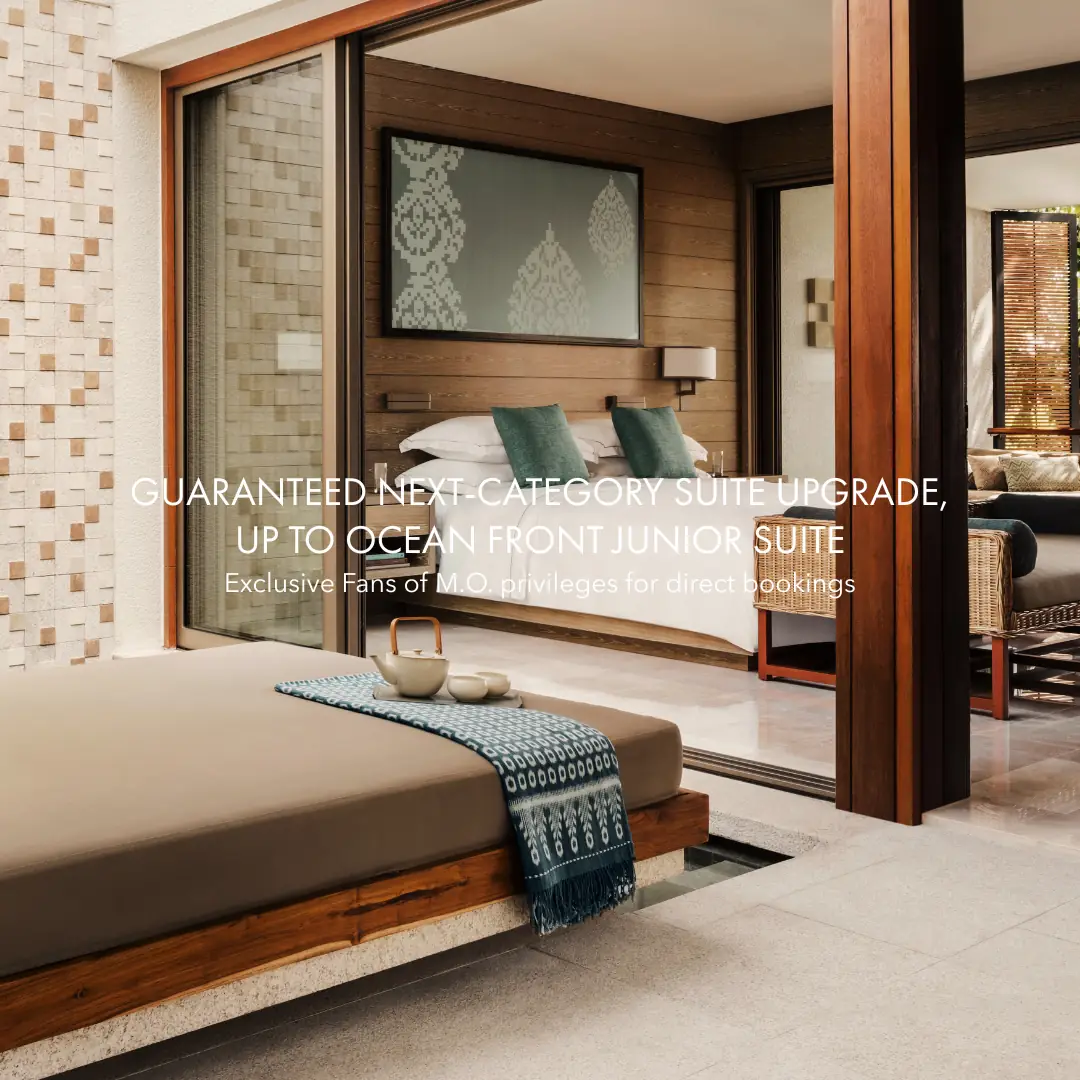

“Showcase ad for Desaru Coast seaside villas with book-direct privileges”
“Showcase ad for Langkawi rainforest pool villas overlooking the islands”

“Feature-callout ad for a Family Day stay with meals and parking”
“Showcase ad for a private-pool villa with honeymoon setup, RM3,300++ for two”
“Announcement ad for the Splash and Stay family retreat with poolside fun”




“Discount ad: Legoland Malaysia three-park combo from RM19 per child”

“Discount ad for a Cameron Highlands group stay with free event space and steamboat dinner”
“Showcase ad for a Premier King suite with KLCC towers view”
By the numbers
Frequently asked questions
When is Hari Raya Aidilfitri 2027, and which dates drive the plan?
Four dates drive the work, and only one of them is the holiday. Late January 2027 is the content deadline, because indexing and ranking take weeks and the searching begins with the fasting month. Fasting opens on Monday 8 February 2027, a public holiday in Johor and Kedah, and that is when creative goes live. The holiday itself is Wednesday 10 and Thursday 11 March 2027. Hari Raya Haji lands on Monday 17 May 2027 (PublicHolidays.com.my, 2026), which matters to any pilgrimage advertiser working the same cycle. Every Islamic date here depends on a moon sighting and drifts about eleven days earlier each year, so the 2028 window sits in late February and every offset in your plan moves with it.
What offer works when the competition is a free spare room?
A guarantee beats a discount here. The family looking for a homestay near a full kampung house is not weighing your rate against another homestay, it is weighing a room against a mattress on somebody's living-room floor, and price rarely decides that. Certainty does: a room held without full payment, free cancellation up to a stated day, a clear line on what happens if the holiday shifts by a day, and a stated maximum number of people. Discounting into this window mostly discounts a booking that was going to happen anyway. Removing the risk of committing early is what converts a household that has not yet agreed on its own travel dates.
Should a resort stay or an overseas holiday be advertised against Raya week?
Not against the week itself. By the time fasting is underway the household has committed its Raya budget and its leave, and a competing proposition arrives too late to change either. The two windows that work sit on both sides of it. Before Ramadan, when the year's leave is still unallocated, an early-bird trip can be sold as a separate decision. After Raya, when the balik-kampung obligation is discharged, an adult trip with no extended family attached becomes a genuinely different product. Selling an escape during the one week the country has agreed to go home argues against the whole season, in the most crowded auction of the quarter.
How far ahead should Raya travel content be published, and is that the same as when ads go live?
They are two different deadlines and confusing them costs a season. Content, meaning the pages a family finds when it searches for a room or a day out near the kampung, has to be live by late January 2027, because indexing and ranking take weeks and the searches begin with the fasting month. Ads are instant and should go live with the start of fasting on 8 February 2027, not in the week before the holiday, when the room, the day out and the pilgrimage have already been settled. If only one of the two can be done properly this cycle, publish the content early and buy the ads late. The reverse order wastes both.
Should ads keep running during the holiday itself?
Some of them. Turn off the pre-departure offers, because the audience for those has already left. Keep the destination-state audience and the day-out offer running through the week, since that demand is discovered on arrival and peaks around the third or fourth morning. The operational catch is the inbox. Enquiries land at odd hours during a holiday week and expect an answer the same day, so decide in advance who is watching it and publish your reply hours in the ad. Note also that the working week runs Sunday to Thursday in Johor, Kedah, Kelantan and Terengganu, so Friday is not a business day there and a Monday-to-Friday staffing plan leaves a gap at both ends.
Does East Malaysia need its own Raya travel campaign?
Yes, because the journey is different in kind. For a Sabahan or Sarawakian family, balik kampung means flights bought months ahead for several people, so the decision is made far earlier than a Peninsula drive and it is far more sensitive to seat availability than to a promotion. That shifts what there is to sell: airport transfers, a night on either side of the flight, car hire at the destination, and luggage. It also splits the audience in two. People living in Sabah and Sarawak are one campaign; the East Malaysian community living in Klang Valley and Johor is another, planning an expensive trip home from the Peninsula. Running a single campaign at both will price you out of the second.
Should Umrah operators advertise through Ramadan and Hari Raya?
Yes, but as a conversation rather than a departure sale. The lead time runs in months and the family decision is made during Raya week, so the enquiry usually arrives days or weeks later, once everybody is back home and back at work. That is a measurement problem before it is a creative one: a campaign judged on a seven-day attribution window will look like a failure in exactly the week it did its work, so keep the flight running past the holiday and read it on a window long enough to contain the trip home. Two compliance gates apply whatever the season. A MOTAC licence is a statutory requirement and is publicly checkable, and Umrah or Ziarah package advertising needs separate approval before it runs.
Are the travel ads shown on this page running for Raya right now?
No, and by the nature of seasonal creative they could not be. A Raya ad is only ever studied after Raya, so what any archive holds is the last cycle's structures: how a pilgrimage agency ordered its information, where a family package put the ringgit figure, which departure city led the headline. Read them as structure to adapt, not offers to copy, and never read how long an ad appears to have run as evidence it performed, because that duration reflects when the page was scraped. For what a specific operator has live today, the free Meta Ad Library lists current ads by page.
Sources
- 1.DOSM, Domestic Tourism Survey 2025 (released 16 June 2026: 290.1M domestic visitors, RM121.3B expenditure, VFR 35.6% of trips, automotive fuel 13.5% of spend, average stay 2.56 nights) (2026)
- 2.DOSM, Malaysia's Domestic Tourism Survey, First Quarter 2026 (released 24 June 2026: 74.7M visitors, RM34.0B expenditure, the quarter containing Hari Raya 2026) (2026)
- 3.The Star, PLUS expects 2.3 million vehicles on highways during Hari Raya Aidilfitri (12 March 2026, quoting PLUS MD Datuk Nik Airina Nik Jaffar) (2026)
- 4.The Star, 86% of ETS tickets sold ahead of Hari Raya (19 March 2026, quoting KTMB COO Afzar Zakariya; ETS trips raised from 46 to 70 a day) (2026)
- 5.The Star, KLIA's passenger movements grows 14.4% to 16.9 million in 1Q (27 April 2026, quoting Malaysia Airports MD Datuk Mohd Izani Ghani; 3.1M through KLIA over 14-29 March) (2026)
- 6.PublicHolidays.com.my, Malaysia Public Holidays 2027 (CNY 6-7 Feb, Awal Ramadan 8 Feb in Johor and Kedah, Aidilfitri 10-11 Mar, Hari Raya Haji 17 May) (2026)
Keep exploring
Turn ad research into winning ads
See what 16,000 Malaysian brands advertise, then generate on-brand creative, all in one tool.
7-day free trial · No credit card required